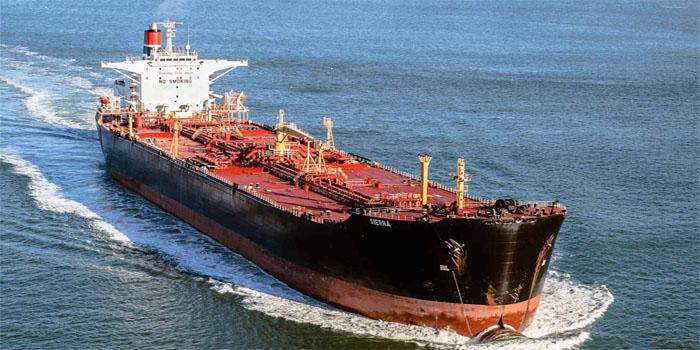
Nigeria’s petrol imports rebounded sharply in May 2026, rising by 59.5% from the previous month despite growing output from domestic refineries.
- +Petrol imports jump 59.5% in May despite stronger output from local refineries
This is according to the latest data from the Nigerian Midstream and Downstream Petroleum Regulatory Authority (NMDPRA).
This is according to the latest data from the Nigerian Midstream and Downstream Petroleum Regulatory Authority (NMDPRA).
The NMDPRA’s Midstream and Downstream Petroleum Statistics showed that average daily imports of Premium Motor Spirit (PMS) increased to 5.9 million litres per day in May from 3.7 million litres per day in April, as oil marketers supplemented local supplies with imported products.
The increase came even as domestic refineries remained the dominant source of petrol supply, led by the Dangote Refinery.
According to data from the NMDPRA, Nigeria’s petrol supply recorded a significant increase in May, driven largely by stronger domestic refining activities and supplementary imports.
The data suggests that while domestic refining capacity continues to expand, imports remain necessary to bridge supply gaps.
Private refineries continued to drive Nigeria’s fuel supply, with the Dangote Refinery maintaining a dominant position in the downstream market.
The figures underscore the growing role of private investment in Nigeria’s refining sector.
Analysis of NMDPRA supply data for the first five months of 2026 shows that petrol imports generally declined as domestic refining capacity strengthened, despite some month-to-month fluctuations.
Although imports rose in May, they remain significantly below January levels, reflecting the structural shift in Nigeria’s fuel supply chain.
Nigeria’s downstream petroleum market is undergoing a major transformation following the expansion of private refining capacity.
The latest figure represents an increase of 41,000 bpd month-on-month and marks Nigeria’s first return above its OPEC production quota since mid-2025.