Diets, frequent sex offer no protection against prostate cancer, surgeon warns Nigerians
A leading Nigerian urological surgeon has warned that diet and sexual activity do not prevent prostate cancer, pushing back against widespread myths that continue to delay diagnosis and treatment among men.
A leading Nigerian urological surgeon has warned that diet and sexual activity do not prevent prostate cancer, pushing back against widespread myths that continue to delay diagnosis and treatment among men.
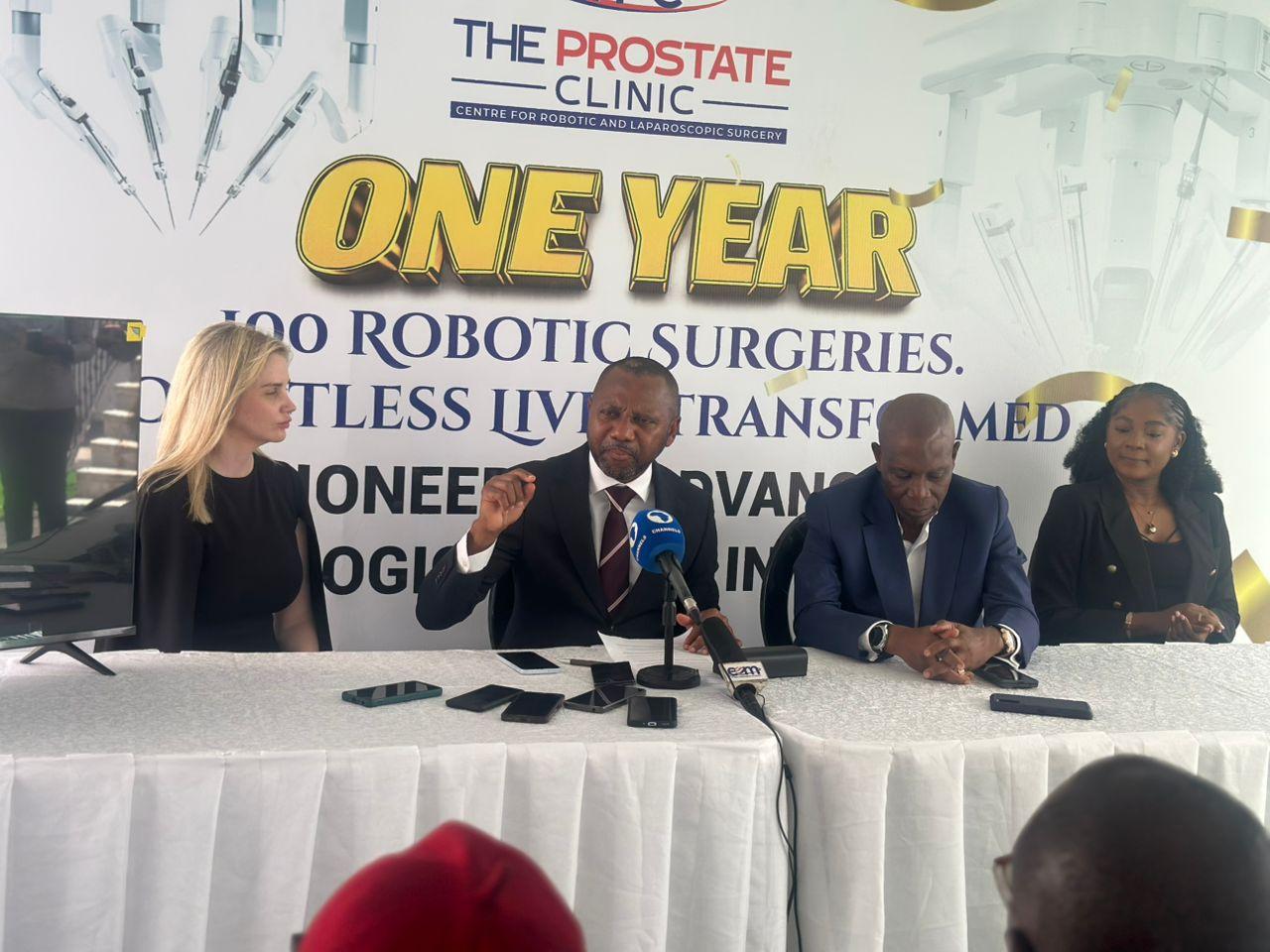
Kingsley Ekwueme, consultant urological and robotic surgeon, who disclosed this at the first anniversary of The Prostate Clinic (TPC), over the weekend in Lagos, said there is no scientific evidence linking food choices or sexual frequency to protection against the disease.
“There is no diet that will prevent prostate cancer, and no amount of sexual activity can stop it. These are misconceptions that are costing lives,” he said.
Prostate cancer is one of the most common cancers affecting men globally, with higher incidence and mortality rates among Black men, including Nigerians.
Ekwueme said misinformation, especially on social media, has led many patients to rely on unproven remedies such as excessive consumption of fruits, vegetables, or herbal mixtures instead of seeking medical screening.
“I have seen patients who were taking large quantities of certain foods believing it would protect them, yet they presented with advanced, incurable cancer,” he said.
He stressed that while a healthy diet is important for general wellbeing, it should not be mistaken as a preventive measure for prostate cancer.
“Diet is good for your heart and overall health, but it does not prevent prostate cancer. That claim is false,” he added.
The surgeon also dismissed the belief that frequent sexual activity reduces risk, noting that even individuals with high levels of sexual activity can develop the disease.
“These myths create a false sense of security. Men delay screening because they believe they are protected,” he said.
Instead, Ekwueme highlighted three established risk factors for prostate cancer: age, ethnicity, and family history.
According to him, the risk increases significantly as men grow older, particularly from the age of 50. He added that Black men are more likely to develop aggressive forms of the disease and have higher mortality rates compared to other populations.
Family history also plays a critical role, with men who have close relatives diagnosed with prostate cancer facing a higher likelihood of developing it earlier than average. “If you have a family history, you should begin screening earlier, around the age of 45,” he said.
At the event, patient testimonies underscored the dangers of delayed diagnosis and the importance of timely medical care.
One patient recounted how he initially ignored symptoms and relied on alternative approaches before eventually seeking proper treatment after his Prostate-Specific Antigen (PSA) levels rose significantly.
Another patient, who travelled from Canada for treatment, said delays in accessing care abroad nearly cost him his life.
“I was waiting for months and losing hope,” he said. “Coming here changed everything. Today, I am fine.”
Ekwueme emphasised that prostate cancer is highly treatable when detected early, urging men to prioritise regular screening. “Prostate cancer is not a death sentence. If you find it early, it can be cured,” he said.
He also highlighted advances in treatment, including robotic surgery, which can improve precision and reduce complications when performed by experienced specialists.
However, he warned that poor surgical outcomes can occur when procedures are handled by inexperienced practitioners, stressing the importance of asking questions before undergoing treatment. “The first treatment you receive is your best chance. You must get it right,” he stated.
Despite progress in care, access and cost remain major challenges in Nigeria’s health system. Ekwueme said efforts are underway to expand specialised prostate care beyond Lagos to improve accessibility.
Health experts say increasing awareness and combating misinformation will be critical in reducing prostate cancer deaths in Nigeria.
Ekwueme urged men to take responsibility for their health by seeking accurate information and undergoing regular checks. “Do not rely on what you hear on social media. Screening is what saves lives, not myths.”