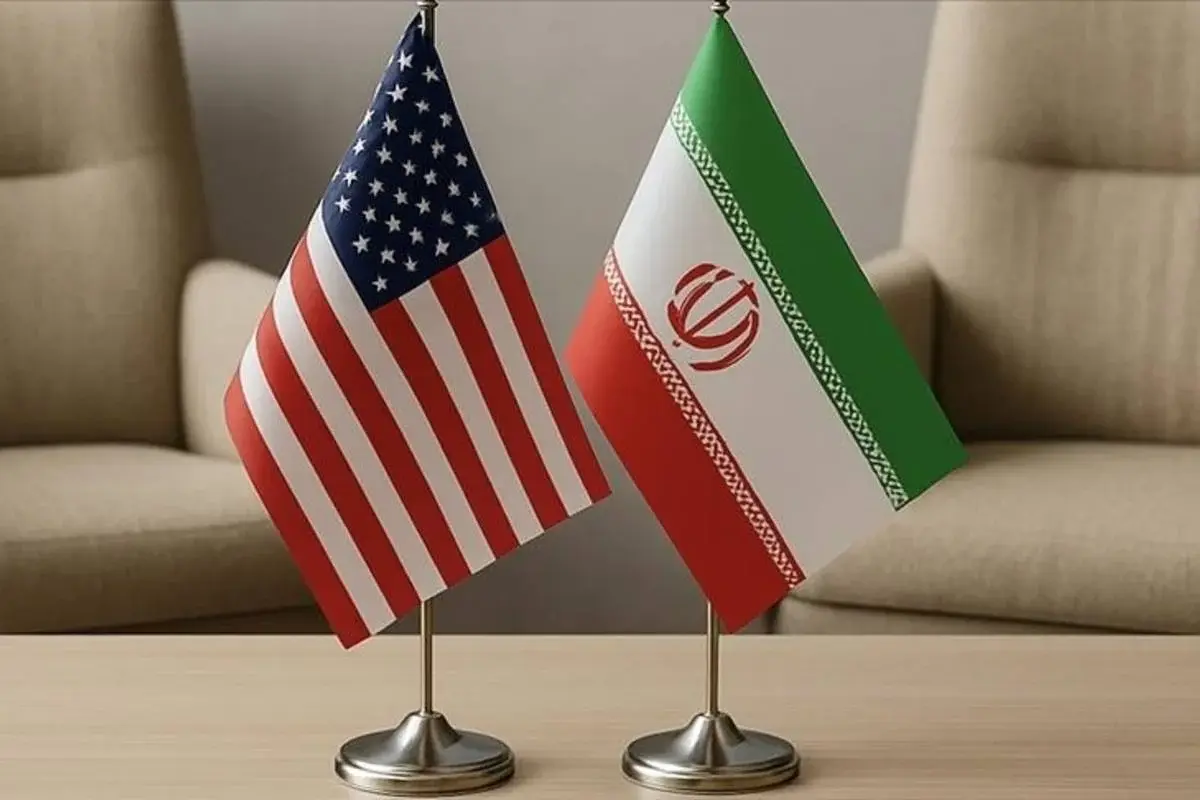
The US- Iran war is ending at a negotiated stalemate despite Iran being far under-resourced than the United States.
- +Asymmetric advantage: Business strategy lessons from the US-Iran war
While Iran has been seriously damaged on several fronts, the US has not achieved a decisive victory with regards to Iranian surrender despite its (US) over-whelming resource advantage.
While Iran has been seriously damaged on several fronts, the US has not achieved a decisive victory with regards to Iranian surrender despite its (US) over-whelming resource advantage.
The fact that both parties are now at some long cease-fire and exploring potential compromise implies that decisive victory by the overwhelmingly well- resourced side may be unachievable in war.
Iran has been able to achieve this stalemate despite its large relative resource disadvantage because of its asymmetric advantage war strategy.
Asymmetric advantage can be defined as when two forces at war have significantly different strengths, weaknesses, and strategies. The “underdog” belligerent with heavy resource disadvantage uses unconventional methods to bypass the superior military or economic might of the larger power.
Instead of fighting strength with strength (symmetric warfare), the under-dog uses “asymmetry” to exploit specific vulnerabilities of the well-resourced opposing military.
The concept was first articulated in 1975 by Andrew Mack in his classic essay in World Politics titled “Why Big Nations Lose Small Wars: The Politics of Asymmetric Conflict”.
Asymmetric advantage is essentially about how you can amplify the impact of your small resources in warfare, as large as the impact of the resource of an opposing army with bigger resources thereby neutralizing your relative resource disadvantage.
The science and art of Strategy in Business have borrowed significantly from the military evidenced with business adopting strategy words from the military such as attack, defense, flanking and campaigns.
There is a lot that business, especially under-resourced challengers can learn from the US- Iran war with regards to finding and building asymmetric advantage when you must compete as a challenger with incumbents with overwhelming resources advantage relative to yours.
The lessons are also useful when an overwhelming resource advantaged player enters your market -how do you defend your business from being over-run?
Reflecting on the US- Iran War, I share below 7 Asymmetric Strategy Archetypes from Military Science, which could be applied to Business and Competitive Strategy for an under-dog or resource-disadvantaged player.
1. Geographic asymmetric advantage: Asymmetric advantage can be geographic with regards to proximity and control of a strategic asset. Iran has leveraged its geographic location to control of the Strait of Hormuz with far disproportionate impact on energy economics of its opponents and their allies.
As a local underdog, how have you taken advantage of local knowledge in your market over well -resourced foreign competitors whose mental fabric and DNA will make them struggle to draw the right insights for good strategic warfare thereby neutralizing their resource advantage?
How have you turned your understanding of the local terrain into an asymmetric disproportionate advantage despite your being under-resourced as a local player?
Geographic asymmetric advantage can also be built on good local regulatory and government relationships that amplifies your advantage as a local player over foreign well -resourced players.
Chinese companies have traditionally leveraged their local regulatory and government relationships to lock-out or limit foreign players who are far more resourced than them, allowing the Chinese companies too scale rapidly and build size to withstand foreign competition.
Are there local proximity advantages in critical raw-materials in manufacturing or supply-chain that can give you asymmetric disproportionate advantage as a local underdog over well-endowed for competitors? How can you lock-out and control these critical local manufacturing inputs?
2. Technology asymmetric advantage: These are new technology that neutralizes resource advantage of incumbents such that gives a disproportionate advantage to lower cost investment of a challenger.
Cloud and digital technology have enabled fintech upstarts with smaller resources to capture significant market share in financial markets where traditional infrastructure high barrier to entry have become significantly crashed and legacy technology have become incumbent vulnerabilities to be exploited.
A smart low-cost drone for tens of thousands of dollars can travel far, without needing a plane to fly it. Such low-cost drones would neutralize an expensive million dollars missile as the Ukrainians have shown for example in their war with Russia- a classic asymmetric advantage.
Software as a Service (Saas) is democratizing access to best and smartest technologies for underdog upstarts at fractions of the infrastructure cost of traditional incumbents and neutralizing their resource advantages.
A low-cost POS deployed by new fintech players at a hundred dollars can do 50 % of what a bank branch would traditionally do, enabling the fintechs to serve new and wider reach of customers.
In telecoms, IOT and OTT technologies have turned incumbent infrastructure investment into dumb data pipes on which these low resourced upstarts build new and very profitable value-added services.
The business strategy lesson here is that as an under-dog and challenger with huge resource dis-advantage, the pursuit of asymmetric advantage with your technology investments and resources must be intentional and deliberate to bypass, neutralize or make irrelevant the large resource advantage of incumbents or well-resourced competitors.
3. People/ talent asymmetric advantage: How could you build your talent strategy as an underdog such that the few that you have, deliver a far disproportionate impact relative to their number versus the army of staff that incumbents have traditionally assembled?
It is obvious that if you just copy, recruit same type of people, and retain the same way with well -resourced incumbents, you will never challenge them successfully.
4. Chokepoint and alleyway control asymmetric advantage: Iran choked the world’s oil supply by its asymmetric threat at the Strait of Hormuz where 20% of world oil supply passes creating global energy crisis across the world including the United States.
Are there strategic points in the business value chain, or transaction processing that you can control, that without it, transaction processing would not happen, or the value chain flow would be halted essentially creating a choke point?
You can create this choke-point control either by your technology or geographic proximity, essentially creating a choke from which you can extract good toll fees and economic value for your business?
While it may take time to build, the pursuit of intentionality to control transaction or value-chain chokepoints can give large asymmetric disproportionate advantage to under-resourced players.