Nigerian road users have been urged to adopt a defensive driving culture to curb the recurring spate of deadly crashes on major highways.
- +Motorists urged to adopt defensive driving to curb road deaths
The call was made by road safety expert Ozoya Izegaegbe during an interview with our correspondent on Saturday.
The call was made by road safety expert Ozoya Izegaegbe during an interview with our correspondent on Saturday.
Izegaegbe’s advice comes amid a series of fatal vehicular accidents across the country.
Defensive driving, he explained, involves maintaining safe following distances, reducing speed at night, staying alert to unexpected obstacles, and avoiding fatigue while behind the wheel.
He stressed that a nationwide shift toward defensive driving could save thousands of lives, even as challenges such as weak enforcement and poor infrastructure persist.
“Speed remains a major contributor to the severity of highway crashes in Nigeria. At speeds above approved limits, drivers have less time to detect hazards and longer stopping distances, making collisions with stationary vehicles or pedestrians far more likely and deadly,” he said.
“On Nigerian roads, drivers cannot assume the road ahead is clear. Defensive driving means always expecting the unexpected — whether it’s a broken-down truck, a stalled vehicle, or another driver’s mistake,” he added.
Izegaegbe emphasised that awareness of defensive driving is everyone’s responsibility.
“Every driver ensuring they do the right thing makes the roads safer. In the past, our elders taught us road signs, markings, and the principles of proper driving — that’s how I learnt defensive driving,” he said.
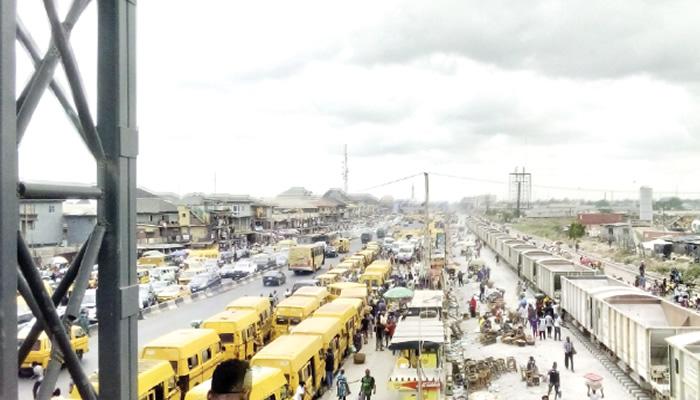
Addressing the notorious driving habits of some commercial bus drivers in Lagos, Izegaegbe admitted that instilling a culture of defensive driving is challenging but achievable. He also highlighted the role of passengers in influencing safer driving practices.
“For commercial bus drivers, it’s difficult but possible to instil defensive driving. Over time, we lost the culture, and correcting it will take patience.
“Change must happen one driver at a time. Passengers also have a role — they must engage drivers respectfully. We need to visit bus parks and garages, sensitise drivers in their language, and understand the issues they face, especially where enforcement is weak,” he said.
He called on the FRSC to implement defensive driving training as a long-term requirement for new and aspiring drivers before issuing licences.
“It should not be a one-off programme. Drivers should have refresher courses every six months to reinforce defensive driving. Many people today don’t fully understand traffic laws or road markings, so we need to start afresh,” he noted.
Izegaegbe also recommended a return to past practices where drivers involved in accidents or traffic violations were shown educational materials before their licences were returned.
He urged road safety agencies to expand education efforts in schools, driving schools, garages, and communities to instil proper driving habits.
The expert cited recent highway tragedies as examples of the consequences of reckless driving. In January 2026, two associates of boxing champion Anthony Joshua were killed when their Lexus SUV rammed into a stationary truck along the Lagos–Ibadan Expressway.
Days earlier, a container truck collided with an 18-seater passenger bus on the same corridor, leaving several injured. Similar accidents have occurred on the Abuja–Nyanya–Keffi Road and in Rivers State, where vehicles crashed into stationary trucks or waste collection vehicles.
More recently, popular documentary photographer and influencer Orowole Kolapo, known as Kola Onifoto, died in a motorcycle accident along the Lagos–Ibadan Expressway in March 2026.
Despite ongoing enforcement efforts, Nigeria recorded over 10,400 road crashes and more than 5,200 deaths in 2025, according to the Federal Road Safety Commission.
The agency cited key causes, including speeding (accounting for about 41 per cent of crashes in some periods), dangerous overtaking, loss of control, tyre bursts, brake failure, poor vehicle condition, and reckless driving.