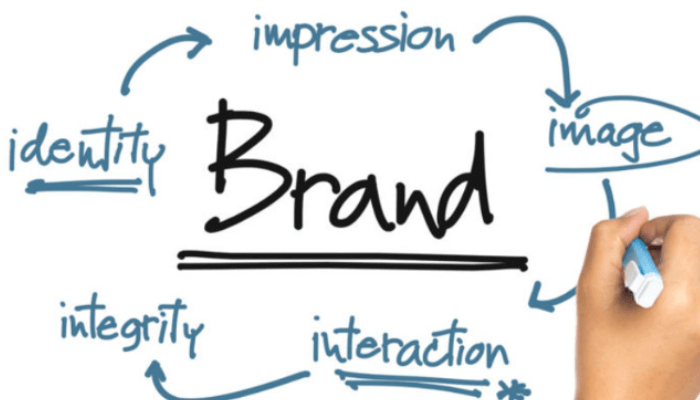
Internal branding is about helping employees understand and connect with a company’s brand values and mission. When employees believe in the brand, they are more motivated and better equipped to deliver a great experience to customers. Internal branding ensures consistency, builds trust, and creates a strong company culture where employees feel purpose-driven. This makes them more engaged and effective, turning them into natural ambassadors for the brand and helping the company succeed.
- +Internal branding strategies: How to unite your team and strengthen your brand
- +The top four benefits of internal branding
- +The risks of neglecting internal branding
- +2. Inconsistent customer experiences
- +5. Missed opportunities for innovation
- +How to successfully implement internal branding
- +1. Define your mission clearly
- +3. Build your culture around the mission
- +How to get employees on board with your internal branding strategy
- +The key to internal branding success: Leadership buy-in
- +Use internal branding to build a lasting legacy
Internal branding can deeply impact how your team feels about their work and your company.
The top four benefits of internal branding
Internal branding can deeply impact how your team feels about their work and your company. Below are just a few benefits that can come from successful internal branding.
When employees feel like they’re part of something meaningful, they’re more engaged and satisfied. It boosts morale and makes them want to stay on your team.
People thrive when they feel part of a community. Internal branding helps employees feel connected to a shared mission, fostering loyalty and collaboration.
When employees are aligned with your brand, they work with more focus, energy and efficiency. They understand their role, and how it contributes to the bigger picture.
Employees who believe in the brand create better experiences for customers. They’re more genuine, consistent, and enthusiastic, which builds customer trust and loyalty.
The risks of neglecting internal branding
Skipping or ignoring internal branding can lead to serious problems for your business. When employees aren’t on the same page about your brand, it can cause confusion, frustration, and even hurt your reputation. Here are the main risks:
If your team doesn’t understand your company’s mission and values, they might feel disconnected and unmotivated. This can lead to lower morale, higher turnover, and a workforce that’s not as committed to reaching company goals.
2. Inconsistent customer experiences
Employees who don’t believe in the brand or understand it can’t deliver a consistent experience for customers. This might result in mixed messages or actions that don’t match what your company stands for, which can break customer trust.
Your external campaigns depend on employees to back them up. If your team isn’t aligned with the brand, your marketing message can come off as hollow, wasting time, money, and effort.
Without internal branding, your workplace can feel fragmented. Employees might end up working in silos rather than as a team, which can cause confusion, inefficiency, and even conflict between departments.
5. Missed opportunities for innovation
When employees are engaged and connected to your brand, they’re more likely to come up with creative ideas and solutions. Without that connection, you’re missing out on the full potential of your team’s talent.
How to successfully implement internal branding
Rolling out internal branding isn’t something you do overnight. It’s a process that takes planning, consistent communication, and ongoing monitoring. Here’s how to make it work:
1. Define your mission clearly
Make your company’s mission simple and relatable. Everyone—from interns to executives—should understand what the mission is and why it matters. When employees see how it benefits them and their work, they’re more likely to embrace it.
It’s not enough to mention your brand values once. Keep the conversation going with emails, team meetings, and resources like internal websites. Repetition helps people remember and underscores your company’s commitment to its own values.
3. Build your culture around the mission
Your brand values shouldn’t just be words on paper. They should shape how you hire, onboard, and celebrate achievements. When employees see the mission in action, it becomes real.
Internal branding works best when employees are part of the process. Ask for their input, address concerns, and adapt as needed. When people feel heard, they’re more likely to be engaged.
How to get employees on board with your internal branding strategy
Involving employees directly in the internal branding process is one of the most effective ways to ensure success. When employees feel like they’re part of the process, they’re more likely to buy into the new brand and help implement it across the company.
Start by appointing “brand ambassadors”—team members who can champion the brand within their departments. Depending on the size of your business, this might mean selecting one or two people or assigning representatives in every department. These ambassadors should be equipped with all the tools and information they need to share the brand’s identity, answer questions, and inspire excitement.
The key to internal branding success: Leadership buy-in
Leaders set the tone for how a brand comes to life within a company. When executives and managers embody the brand’s values, they show employees that the rebrand is more than just a marketing update—it’s a commitment to a shared mission and vision.
When leaders consistently act in ways that reflect the brand’s values, it creates a ripple effect across the organization. Employees are far more likely to adopt the brand’s identity when they see it authentically carried out by those at the top.
Leaders can encourage team buy-in by making space for employee feedback, celebrating milestones tied to the rebrand, and recognising individuals who have gone above and beyond. This level of involvement fosters a sense of inclusion and ownership, making employees feel like active participants in the brand’s evolution.
Use internal branding to build a lasting legacy
Branding is more than the sum of its parts—it’s the heart of your company’s identity, and strong internal branding can inspire employees and unites teams under a shared vision. The effort you invest in engaging your employees will ripple outwards, transforming your company culture and customer experiences. And when everyone is aligned, motivated, and proud, your brand becomes more than a message—it becomes a movement.