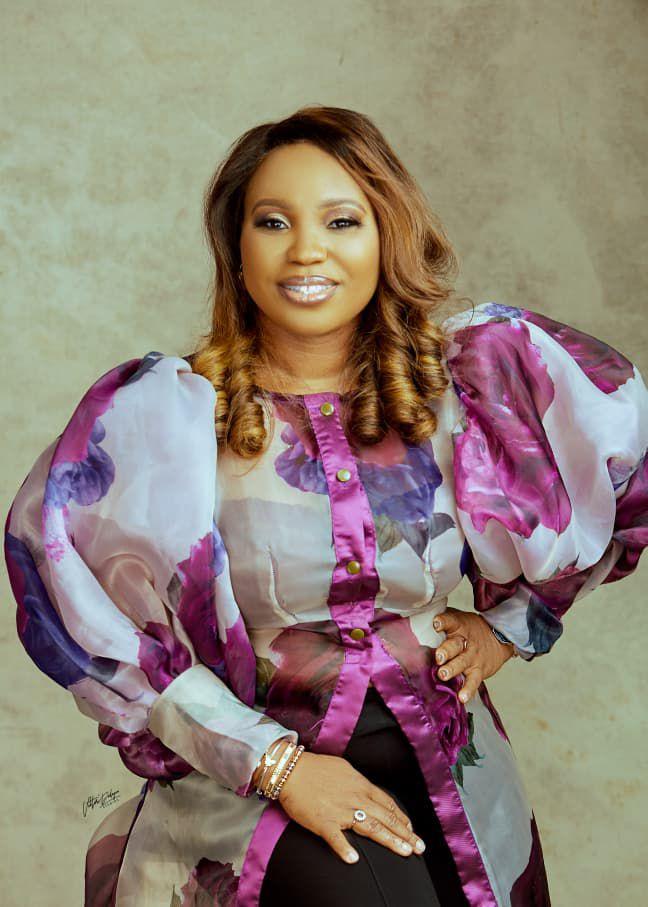
Women-led businesses in Nigeria are emerging as a critical force in the country’s ambition to build a $1 trillion economy by 2030, but Gloria Onosode, director of enterprise sales at FairMoney Business, says unlocking their full potential will depend on urgent digital and financial inclusion reforms.
- +Women-led SMEs hold key to Nigeria’s $1tn economy, but digital gap persists
Onosode said women entrepreneurs must move from the margins of the economy to become central drivers of growth.
Onosode said women entrepreneurs must move from the margins of the economy to become central drivers of growth. She noted that while women already dominate Nigeria’s micro, small and medium enterprises (MSMEs) space, many remain trapped in informal and low-scale operations.
Data from the National Bureau of Statistics shows that women-owned MSMEs contribute significantly to job creation and economic activity. However, analysts say this contribution is still below its potential due to limited access to digital tools, finance, and formal markets.
According to the Small and Medium Enterprise Development Agency of Nigeria, Nigeria has about 39.6 million MSMEs, with as much as 72 percent now owned or led by women. This rise has been driven largely by growth in nano and home-based businesses.
Despite their numbers, women entrepreneurs face major structural barriers. Chief among them is access to credit. Estimates from the International Finance Corporation under its Nigeria2Equal initiative put the financing gap for women-led businesses at over N2.9 trillion. This has forced many to rely on personal savings or informal family funding, limiting their ability to scale.
Onosode said digital transformation could help close this gap, explaining that moving businesses online would allow women entrepreneurs to reach wider markets, improve record-keeping, and build financial histories that can support access to loans.
“Digital tools are no longer optional. They are essential for growth, visibility, and sustainability,” she said.
Financial institutions are also stepping in to address these challenges. FairMoney Microfinance Bank, licensed by the Central Bank of Nigeria, is developing savings and financial management tools tailored to small business owners. These include flexible and fixed savings products designed to help entrepreneurs manage cash flow, plan investments, and build resilience.
Empowering women-led businesses has wider economic benefits beyond individual success. Studies show women reinvest a significant portion of their income into their families and communities, improving education, healthcare, and nutrition outcomes.
Analysts argue that bringing more women-led enterprises into the formal and digital economy will not only boost productivity but also improve national economic planning through better data capture.
As Nigeria pushes toward its $1 trillion economic target, stakeholders say bridging the digital and financing gap for women entrepreneurs could be one of the most effective ways to accelerate inclusive growth.
“The future of Nigeria’s economy is closely tied to the success of its women,” Onosode said, adding that scaling these businesses could unlock growth across multiple sectors.