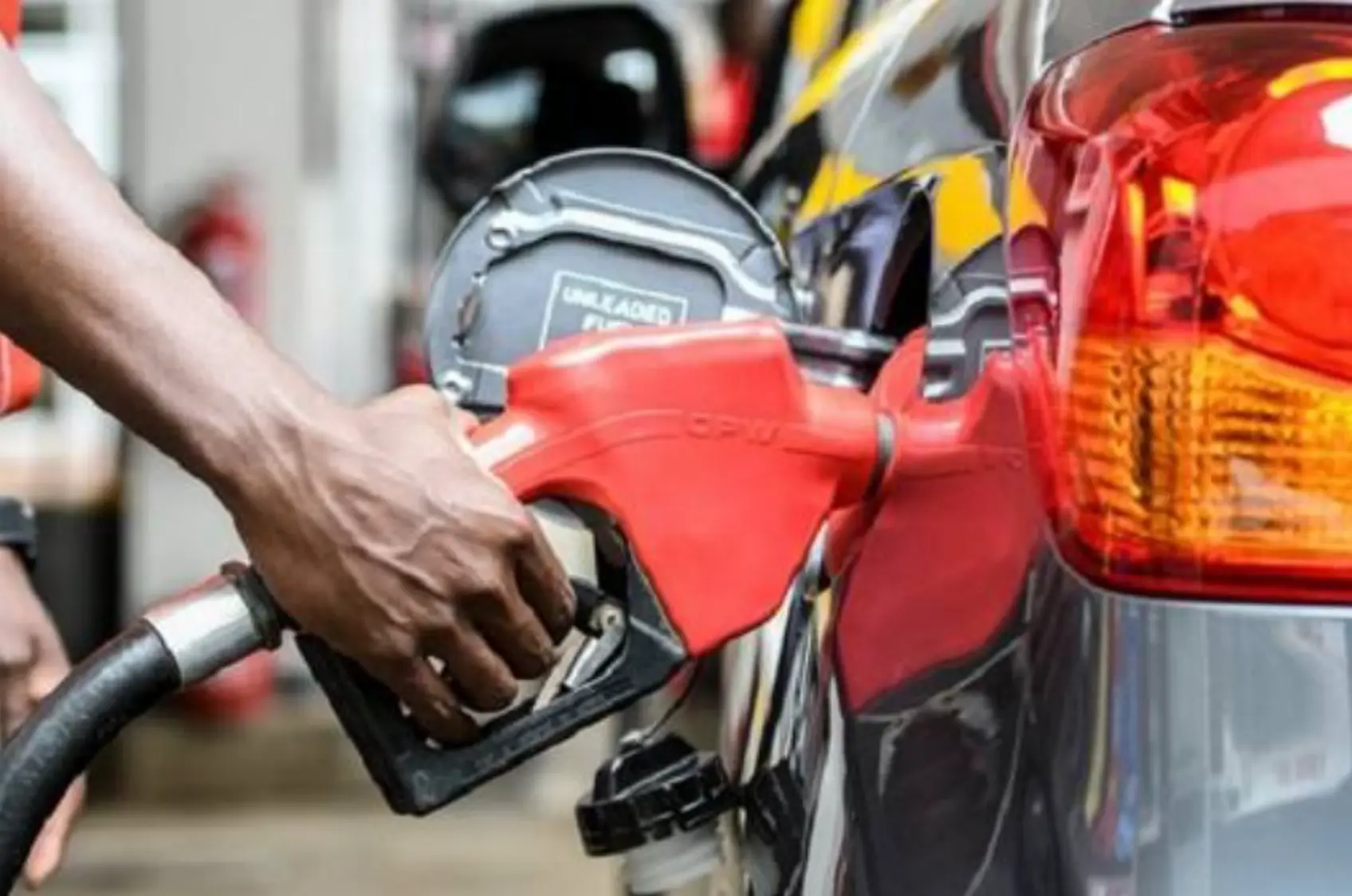
The latest National Bureau of Statistics (NBS) Premium Motor Spirit (PMS) Price Watch for March 2026 reveals significant variations in petrol prices across Nigeria, with some states recording relatively lower pump prices despite sustained volatility in the downstream oil market.
- +Top 10 states with the cheapest fuel in Nigeria—March 2026
Although fuel prices remained elevated nationwide, the report highlights ten states where motorists paid the least for petrol in March.
Although fuel prices remained elevated nationwide, the report highlights ten states where motorists paid the least for petrol in March.
Even so, many of these states posted sharp increases compared to February, reflecting persistent inflationary pressure and continued market adjustments following deregulation.
Fuel pricing trends have remained shaped by several factors, including the effects of subsidy removal, distribution and transportation costs, and supply chain dynamics in the downstream sector.
While prices remain under pressure, some state governments have responded with measures such as transport palliatives, budgetary interventions and growing investments in compressed natural gas (CNG) alternatives to ease the burden on residents.
March’s pricing data also comes against a backdrop of heightened global uncertainty, with geopolitical tensions adding fresh pressure to energy markets.
The ongoing crisis in the Middle East has contributed to higher crude oil prices, raising inflation concerns worldwide, while instability around the Strait of Hormuz — a critical route for global oil shipments — has deepened fears over supply disruptions.
For an import-dependent market like Nigeria, such developments often feed directly into domestic fuel costs, pushing up transportation expenses and broader living costs. Historically, periods of global oil market tension have also intensified inflationary pressures in emerging economies, and current trends suggest those risks remain in play.
Plateau ranks number 10 on the list of states with the cheapest fuel price at N1,252.45 per litre in March 2026, up from N1,051.73/litre in February. However, the price was lower than N1,450.80/litre recorded in March 2025, suggesting some year-on-year easing.
The state government under Governor Caleb Mutfwang has acknowledged the heavy burden of fuel costs on farmers and transporters, especially in an agrarian economy. It’s the N914.8 billion 2026 Appropriation Bill, with 62% allocated to capital expenditure, is positioned as part of broader efforts to stimulate recovery, improve infrastructure and soften living costs.
Abia posted an average fuel price of N1,247.84/litre in March, rising from N1,095.19/litre in February, but below the N1,305/litre seen in March 2025.
Governor Alex Otti’s administration has maintained support for subsidy removal reforms while seeking to leverage increased oil revenues for development.
The state has framed recent oil-price gains, partly linked to geopolitical tensions in the Middle East, as a fiscal opportunity that could strengthen public finances and infrastructure spending.
Rivers tied with Abia at N1,247.84/litre, up sharply from N1,030.74/litre in February. It compares with N1,175.54/litre in March 2025.
The oil-rich state has faced pressure to respond to energy costs while implementing its N1.8 trillion “Budget of Resilience” for 2026.
Although no direct state-led fuel price interventions have emerged, support for CNG adoption and broader economic resilience measures have featured prominently.
Ekiti recorded N1,246.16/litre in March, up from N1,015.71/litre in February and significantly higher than N963.40/litre in March 2025.
The state has sought to cushion residents through fiscal planning under its N415.57 billion 2026 budget, while also confronting market distortions. In March, authorities warned marketers against creating artificial scarcity by withholding products, a move aimed at preventing further upward pressure on prices.
Kwara’s average petrol price stood at N1,224.28/litre, compared to N1,064.63/litre in February. The state recorded N1,106.14/litre in March 2025.
Despite criticism over fiscal management and transparency, there have been no major direct interventions specifically targeted at reducing fuel costs. However, the state remains among those with relatively lower average pump prices nationally.
Kogi recorded N1,217.24/litre in March, up from N1,002/litre in February but below N1,298.94/litre in March 2025.
A notable policy response has been the rollout of CNG conversion kits under Governor Ahmed Usman Ododo’s administration. The initiative is aimed at reducing dependence on petrol and lowering transportation costs for residents over time.
Nasarawa posted N1,213.80/litre in March, up from N1,042.68/litre in February, while below N1,238.21/litre recorded a year earlier.
The state has focused on alternative fuel adoption, investing in training technicians to convert vehicles from PMS to CNG and LNG. While broader direct interventions remain limited, the push for cleaner and cheaper fuel alternatives stands out.
Kaduna recorded N1,193.40/litre, compared with N1,000.07/litre in February, but significantly below N1,650/litre in March 2025 — one of the steepest annual declines among states on the list.
The state’s standout response has been the deployment of free CNG buses under Governor Uba Sani, designed to reduce commuting costs for workers and residents amid persistent inflationary pressure.
Ogun’s average fuel price stood at N1,169.78/litre in March, up from N1,029.67/litre in February and slightly above N1,143.79/litre in March 2025.
To cushion the impact of transport costs, the state approved a ₦10,000 monthly transport allowance and introduced a weekly day-off for public servants, measures also extended to pensioners for an initial three-month period.
Lagos recorded the lowest average fuel price in Nigeria in March 2026 at N1,162.71/litre, though this was up from N966.61/litre in February and higher than N975/litre in March 2025.
As the country’s commercial hub, Lagos often benefits from supply advantages and market competition that can moderate prices. While the state has not announced direct fuel-price reductions, its relatively lower average underscores those structural advantages.
A review of the NBS figures reveals a few key trends:
Even in Nigeria’s cheapest fuel markets, petrol remained above N1,100 per litre in March 2026, reflecting the lingering impact of subsidy removal, supply dynamics and inflation.
But the data also shows states experimenting with responses — from transport palliatives to CNG transitions — as governments search for ways to shield households from persistently high energy costs.