Lagos Refuse Crisis: Sanwo-Olu orders emergency waste evacuation after PREMIUM TIMES report
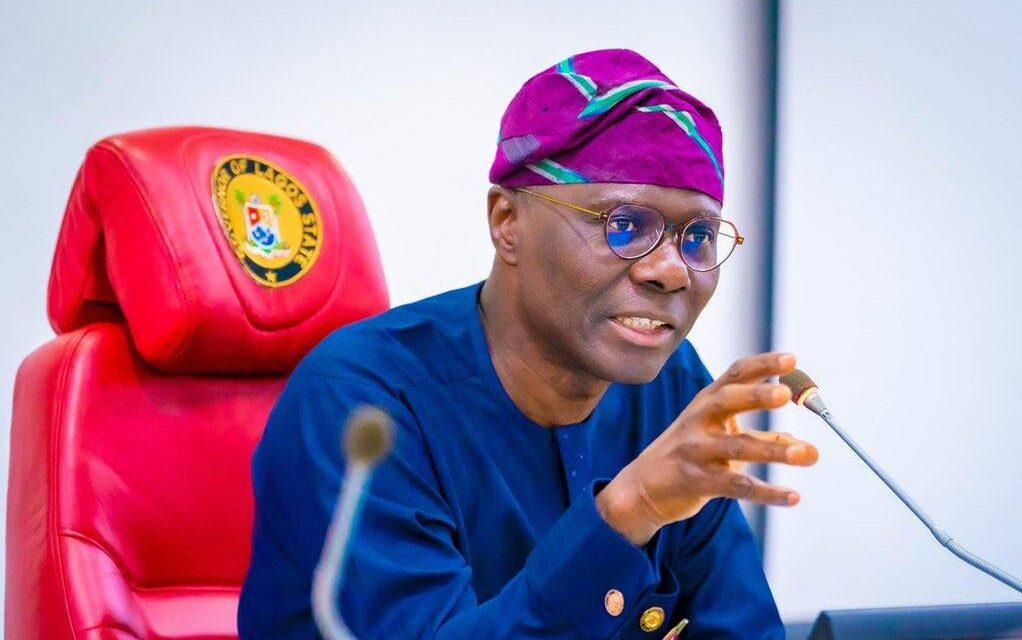
Lagos State Governor Babajide Sanwo-Olu has ordered an immediate scale-up of waste evacuation operations across the state following growing concerns over the build-up of refuse in several communities.
Lagos State Governor Babajide Sanwo-Olu has ordered an immediate scale-up of waste evacuation operations across the state following growing concerns over the build-up of refuse in several communities.
The governor announced the directive on Thursday, saying the Lagos Waste Management Authority (LAWMA), Lagos State Environmental Protection Agency (LASEPA) and the Ministry of Environment had been mobilised to address the situation.
“LAWMA, LASEPA, and the Ministry of Environment are currently working around the clock,” Mr Sanwo-Olu said in a statement posted on his social media platforms.
“We have deployed extra trucks and personnel to clear the backlogs across all affected neighbourhoods. You should already see progress on the streets and we will not stop until our city is completely clean again,” he said.
The directive comes weeks after a PREMIUM TIMES special report documented widespread refuse accumulation across Lagos and highlighted operational challenges within the state’s waste management system that have left roads, medians and public spaces littered with waste.
The governor acknowledged the scale of the challenge, noting that Lagos generates more than 13,000 tonnes of waste daily, requiring substantial resources and coordination to manage effectively.
He appealed to residents to support ongoing efforts by properly bagging their waste and avoiding indiscriminate dumping in drainage channels and on roads.
The PREMIUM TIMES investigation found that a combination of rising operational costs, irregular waste collection and weak compliance by some residents has contributed to worsening waste management challenges across parts of Lagos.
Residents interviewed across several communities including Jakande in Ejigbo LCDA, complained of delayed or inconsistent waste collection, with some saying refuse often remained uncollected for extended periods.
The report documented heaps of waste along major roads and public spaces in areas including Ikeja, Mushin, Alimosho, Surulere, Ikorodu and Lagos Island.
Private Sector Participant (PSP) operators, who are responsible for collecting household waste in many parts of the state, told PREMIUM TIMES that soaring diesel prices, vehicle maintenance costs and long distances to disposal facilities had significantly increased the cost of operations.
Some operators said the economic pressures had made it difficult to maintain regular collection schedules, contributing to waste accumulation in several neighbourhoods.
The investigation also found that some residents, frustrated by irregular collection services, had resorted to patronising informal waste handlers or dumping refuse in unauthorised locations.
Environmental experts have repeatedly warned that poor waste management poses serious public health and environmental risks.
Blocked drainage channels caused by indiscriminate dumping can worsen flooding during the rainy season, while decomposing refuse creates conditions that encourage the spread of disease and environmental pollution.
The concerns have become increasingly pronounced in recent months as residents and civil society groups raised alarms over the re-emergence of refuse heaps in different parts of the state.
While the governor’s directive is expected to address the immediate backlog of waste, researchers say Lagos needs broader structural reforms to tackle the root causes of the problem.
In the PREMIUM TIMES investigation, researchers from the African Cities Research Consortium (ACRC) recommended stronger collaboration among government agencies, private waste operators, informal waste collectors and local communities.
The researchers said Lagos should expand waste sorting and recycling programmes, strengthen enforcement against illegal dumping and invest in modern waste-processing infrastructure capable of handling the city’s growing waste volume.
They also called for the integration of informal waste collectors into the formal waste management system, noting that many already play a significant role in recovering recyclable materials and reducing the volume of waste that reaches landfills.
According to the researchers, improving the financial sustainability of waste collection services is equally important, particularly as PSP operators continue to grapple with rising operational costs.
The researchers argued that a combination of improved infrastructure, stronger regulation, public education and community participation would be necessary to build a more resilient waste management system capable of keeping pace with Lagos’ rapidly expanding population.
For now, the state government says its priority is clearing the accumulated refuse.
“We are fully on top of this situation. Let us work together to keep Lagos clean and safe for everyone,” Governor Sanwo-Olu said.