I already knew before thinking to write this that some, all over the world, may disagree with me. Why? Because of biases, or what some would liken to the differential in our choices. Nevertheless, the reason behind this is that football administrators must protect the integrity of its biggest competitions.
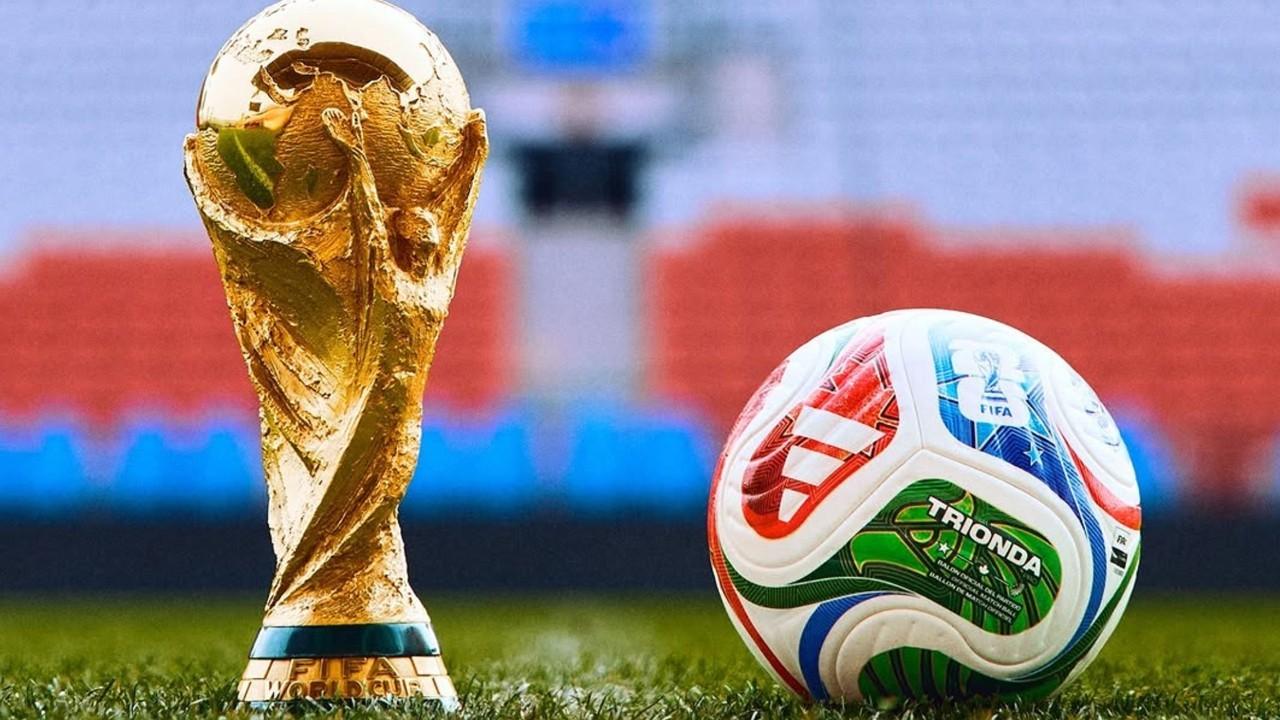
We all have come to terms that the curtain has finally fallen on another FIFA World Cup, leaving behind unforgettable moments, new heroes, shattered dreams and another chapter in football history.
We all have come to terms that the curtain has finally fallen on another FIFA World Cup, leaving behind unforgettable moments, new heroes, shattered dreams and another chapter in football history. The tournament was, in many respects, a remarkable one, as the quality of football was impressive, stadia were packed with die-hard supporters, TV audiences reached record numbers, and the tournament once again demonstrated why the World Cup remains the greatest sporting event on earth.
However, as the celebrations may continue in one part of the world and heartbreak lingers in another, one uncomfortable debate refuses to disappear: has the increasing use of technology, and the inconsistency surrounding its application, created a new credibility problem for football?
As a football lover who watched many of the matches, particularly during the knockout stages, I found myself becoming increasingly frustrated. Not because technology has no place in modern football, but because its application often appeared inconsistent. VAR was introduced to eliminate clear and obvious errors, yet in several matches it became the centre of controversy rather than the solution. Instead of ending arguments, it sometimes created even bigger ones.
Many football followers will remember the controversies that surrounded the last Confederation of African Football (CAF) men’s tournament in Morocco. Rather than being remembered solely for excellent football, the competition became dominated by discussions about officiating, disciplinary decisions and the perceived treatment of certain teams.
The knockout stages witnessed heated confrontations, particularly in the quarter-final matches involving Cameroon against Morocco and Algeria against Nigeria. Tempers flared, players confronted officials, and CAF eventually opened disciplinary investigations into incidents that went beyond the acceptable limits of sporting conduct.
The tension reached its highest point during the final in Rabat.
Senegal’s players briefly walked off the pitch after an injury-time penalty was awarded to host nation Morocco. Although Sadio Mané eventually persuaded his teammates to return for the match, the incident exposed the extent to which confidence in officiating had deteriorated during the tournament.
The controversies did not end with the final whistle, as CAF’s administrative handling of some disciplinary matters attracted widespread criticism and legal challenges. Appeals followed, while several respected football personalities publicly questioned whether the governing body had done enough to protect the integrity of the competition. Across social media and TV studios, accusations, rumours and conspiracy theories flourished.
Importantly, many of those allegations, including suggestions that officials deliberately favoured the host nation, were never substantiated with credible evidence. Nevertheless, the damage was already done because, in football, perception often becomes almost as influential as reality, and this should worry every governing body.
The just-concluded FIFA World Cup appears to have generated similar conversations. Once again, refereeing decisions became almost as widely discussed as the football itself. Every controversial penalty, every marginal offside call and every lengthy VAR review immediately became global talking points. Fans from different nations increasingly questioned whether similar incidents were being judged consistently.
Nothing erodes public confidence faster than inconsistency.
Football supporters understand that referees are human and mistakes are inevitable. What they struggle to accept is when apparently similar incidents produce completely different outcomes depending on the match, the teams involved or the officials in charge.
At the final, among the incidents that attracted widespread discussion was the disallowed goal involving Spain’s Williams Jr. For many viewers, the decision raised questions about the extent to which VAR should intervene and whether the referee should have personally reviewed the incident before the final decision was made. Whether one agrees with the final ruling or not, the controversy illustrates a broader concern – transparency.
Supporters rarely object simply because a decision goes against their team. But they become frustrated because they do not fully understand how that decision was reached.
Other sports have recognised this challenge, and that is why in rugby, cricket and American football, officials often communicate the basis of important decisions directly to spectators. The reasoning becomes part of the viewing experience, reducing speculation and helping supporters appreciate the laws being applied.
Football, despite embracing sophisticated technology, still leaves millions of viewers guessing, a communication gap that has allowed conspiracy theories to flourish whenever controversial decisions occur.
That is unfortunate because FIFA deserves considerable praise for organising an outstanding tournament. Security arrangements were commendable, match scheduling was efficient, fan engagement was exceptional, and the overall standard of football reflected the tremendous progress the global game continues to make.
These achievements should not be overshadowed by refereeing controversies, and at the same time, protecting football’s credibility requires continuous improvement.
FIFA and the continental confederations, including CAF, must invest further in referee education, improve the consistency of VAR protocols and, perhaps most importantly, embrace greater transparency in decision-making. Or perhaps ask referees to indicate if they have any biases against a team they are assigned to officiate.
Supporters should hear why a goal has been disallowed and why one challenge qualifies as a penalty while another does not.
They should know why VAR intervened in one incident but remained silent in another. Such openness would reduce suspicion, improve trust and strengthen confidence in the officials responsible for administering the game.
The controversies that surrounded CAF’s tournament and the debates generated during the recent FIFA World Cup should serve as valuable lessons rather than sources of division.