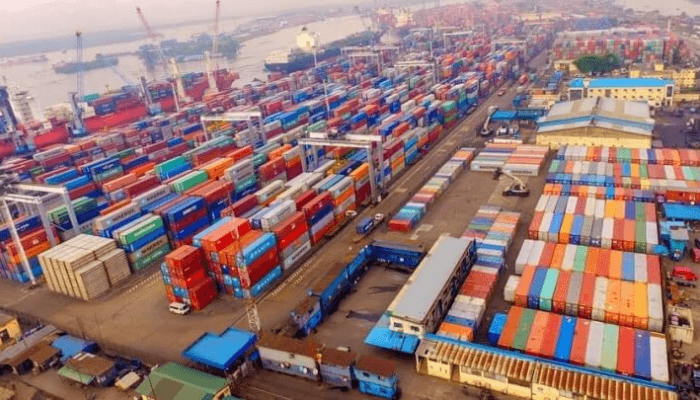
The Federal Executive Council has approved two independent power projects for the Apapa and Onne port complexes as the government moves to tackle chronic electricity shortages that continue to inflate logistics and trade costs in Nigeria.
- +FEC approves privately financed power plants for Apapa, Onne ports
The approval, announced by the Infrastructure Concession Regulatory Commission (ICRC), covers a 50-megawatt plant for the Onne Port Complex in Rivers State and a 36-megawatt hybrid power system for the Apapa Port Complex in Lagos, both structured as public-private partnerships.
The approval, announced by the Infrastructure Concession Regulatory Commission (ICRC), covers a 50-megawatt plant for the Onne Port Complex in Rivers State and a 36-megawatt hybrid power system for the Apapa Port Complex in Lagos, both structured as public-private partnerships.
Jobson Ewalefoh, director-general of the ICRC, said the projects are designed to address one of the most persistent constraints to industrial activity in port corridors.
“At Onne, the development of a 50MW power plant will provide stable electricity to the port and the Oil and Gas Free Zone, significantly reducing operational bottlenecks and supporting industrial activities in that corridor,” he said.
He added that the Apapa project would improve energy reliability in Nigeria’s busiest port environment, with the aim of lowering operating costs and strengthening competitiveness across shipping and cargo operations.
“These are not just power projects; they are productivity enablers,” Ewalefoh said. “When you fix power in these critical economic zones, you directly impact trade efficiency, reduce the cost of doing business, and strengthen Nigeria’s position as a regional hub.”
The regulator said both projects reflect a broader shift towards structured public-private partnerships intended to attract private capital into infrastructure while improving delivery efficiency.
Alongside the power approvals, the council also backed the establishment of a national transport data bank under the Nigerian Institute of Transport Technology, which is expected to consolidate data across road, rail, air and maritime systems to improve planning and enforcement.
The platform will deploy digital tools such as vehicle tagging and automated number plate recognition to support monitoring and compliance across the transport system.