Gaming, Animation, AI: Why Nigeria risks losing a generation of creative autistic talent
Nigeria’s ambition to become Africa’s digital and creative economy powerhouse could be leaving behind one of its most gifted groups of innovators as thousands of autistic young people with talents in gaming, animation, artificial intelligence (AI), music and digital design struggle to find education, training and employment opportunities.
Nigeria’s ambition to become Africa’s digital and creative economy powerhouse could be leaving behind one of its most gifted groups of innovators as thousands of autistic young people with talents in gaming, animation, artificial intelligence (AI), music and digital design struggle to find education, training and employment opportunities.
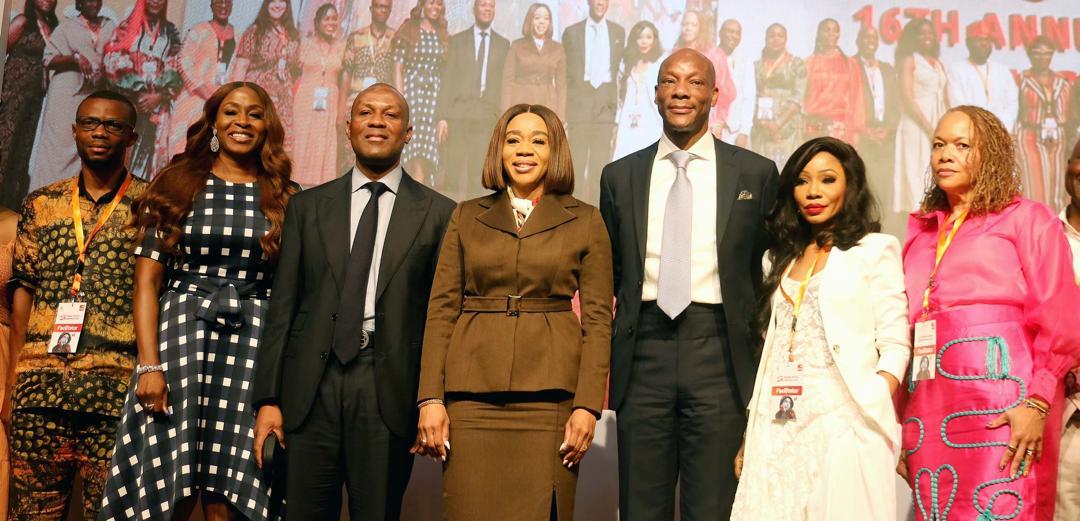
At the 16th GTCO Autism Conference in Lagos, families, autism advocates and specialists warned that while awareness about autism is improving, Nigeria still lacks the systems needed to help autistic people develop their strengths into careers. They argued that unless the country invests in inclusive education, vocational training and employer awareness, it risks wasting a generation of creative talent at a time when the global economy increasingly rewards skills that many autistic individuals naturally possess.
For Adaoma Nnabeze, the issue is deeply personal.
Her younger brother, Wisdom, is 20 years old. For most of his life, his family believed he had dyslexia because he struggled to read, remember lessons and keep up in school. It was only after years of searching for answers and undergoing developmental assessments at the Lagos University Teaching Hospital that the family discovered he is autistic.
The diagnosis explained years of confusion.
Wisdom left school after Primary Five because learning through Nigeria’s conventional education system became almost impossible. Teachers often described him as dull, while classmates failed to understand why he learned differently.
Yet, outside the classroom, his abilities told a different story.
“He enjoys building things with his hands. He loves technology, gadgets, gaming, cartoons, animation and singing. His imagination is extraordinary,” Adaoma said.
Now, the family’s biggest worry is no longer understanding his condition but finding a future that matches his abilities.
“If we lived in another country, there might be structured pathways into animation, gaming, voice acting or creative production. Here, we are still trying to figure out where he fits,” she said.
Her story reflects a broader challenge facing many Nigerian families.
Experts say traditional schools are often designed to measure academic performance in a narrow way, overlooking practical, artistic and technology-driven talents that many autistic children possess.
Bernadette Kilo, an Autism Spectrum Disorder clinical consultant based in Atlanta, Georgia, said society must stop focusing only on what autistic people cannot do and begin identifying what they do exceptionally well.
She said many autistic people have remarkable attention to detail, creativity and specialised interests that can become valuable career skills if properly nurtured.
“There is no reason autistic young people who are gifted in music, drawing, animation or other creative fields cannot be trained within those industries,” she said.
Rather than waiting for government intervention alone, Kilo urged parents to become active advocates for their children by approaching employers, workshops and training centres until opportunities emerge.
“Even if many doors close, one may eventually open,” she said.
The warning comes as Nigeria positions itself as a hub for digital innovation, artificial intelligence and the creative economy.
The country’s gaming industry is expanding, animation studios are growing, AI is creating new digital jobs, and demand for digital content continues to rise across Africa. These industries increasingly reward originality, visual thinking, pattern recognition and deep technical interests, qualities that autism specialists say are common among many autistic individuals.
However, advocates say autistic young people remain largely excluded because schools, employers and vocational institutions rarely understand how to support them.
During a panel discussion at the conference, Solape Azazi, autism advocate and behaviour analyst, said many assumptions about autistic people come from environments that are designed for only one way of learning.
She recalled how one of her son’s teachers believed he would never succeed in English Literature because he struggled with spoken communication. By adapting lessons to use drawings and visual storytelling instead of relying only on verbal responses, he demonstrated that he understood the subject.
“The issue wasn’t his ability. It was finding a way for him to express what he understood,” she said.
Noimot Balogun, public health expert said acceptance must move beyond sympathy and become practical support in classrooms, workplaces and public spaces.
According to her, teachers, employers and communities need better knowledge about autism so they can recognise strengths instead of seeing only limitations.
Autism advocate Remi Olutimayin also challenged Nigerians to rethink acceptance, describing it as something demonstrated through everyday actions rather than words.
Lawyer and autism advocate Lola Dada Olley said families should never hide autistic children because of stigma but instead create environments where they can participate fully in everyday life.
She added that inclusion begins at home before extending to schools, workplaces and society.
For Adaoma, receiving Wisdom’s diagnosis after years of uncertainty has brought relief, but it has also raised difficult questions about the future.
She believes many families across eastern Nigeria may still be living with undiagnosed autism because they simply do not know where to seek help.
“The problem wasn’t that my parents didn’t love him. We simply didn’t have the information,” she said.
Advocates at the conference called on governments at all levels to establish more autism assessment centres, train teachers, increase the number of developmental specialists, expand inclusive education and create vocational programmes linked to industries such as technology, animation, gaming and digital media.
Without those investments, they warned, Nigeria could continue losing thousands of creative minds, not because autistic people lack talent, but because the systems around them fail to recognise and develop it.
Segun Agbaje, group chief executive officer of Guaranty Trust Holding Company Plc, said this year’s theme, “Acceptance in Action,” was a call for society to move beyond good intentions and make inclusion visible in schools, workplaces and public spaces.
“No single institution can build an inclusive society alone. It takes families willing to advocate, educators willing to adapt, employers willing to open doors, and policymakers willing to act,” he said.
For many families, that future cannot come soon enough. As Nigeria invests billions in its digital economy and seeks to become a global technology and creative hub, advocates say the country must also invest in the autistic young people whose talents could help shape that future.