The maître d‘s phone rings every few minutes. Maybe a reservation, dinner enquiry, or just someone asking if the terrace is open.
- +Mercy Erhiawarien left Africa. She returned convinced it is the future
- +What part of your younger self have you deliberately refused to outgrow?
- +What breaks your heart about the continent?
- +Where would we rather have dinner if you wanted to tell me who you really are?
- +What’s the one thing you will never order in a restaurant?
We choose a quiet table tucked behind the reception desk at Somerset Westview Restaurant in Nairobi’s leafy Kilimani neighbourhood, but the restaurant has its own flow.
We choose a quiet table tucked behind the reception desk at Somerset Westview Restaurant in Nairobi’s leafy Kilimani neighbourhood, but the restaurant has its own flow.
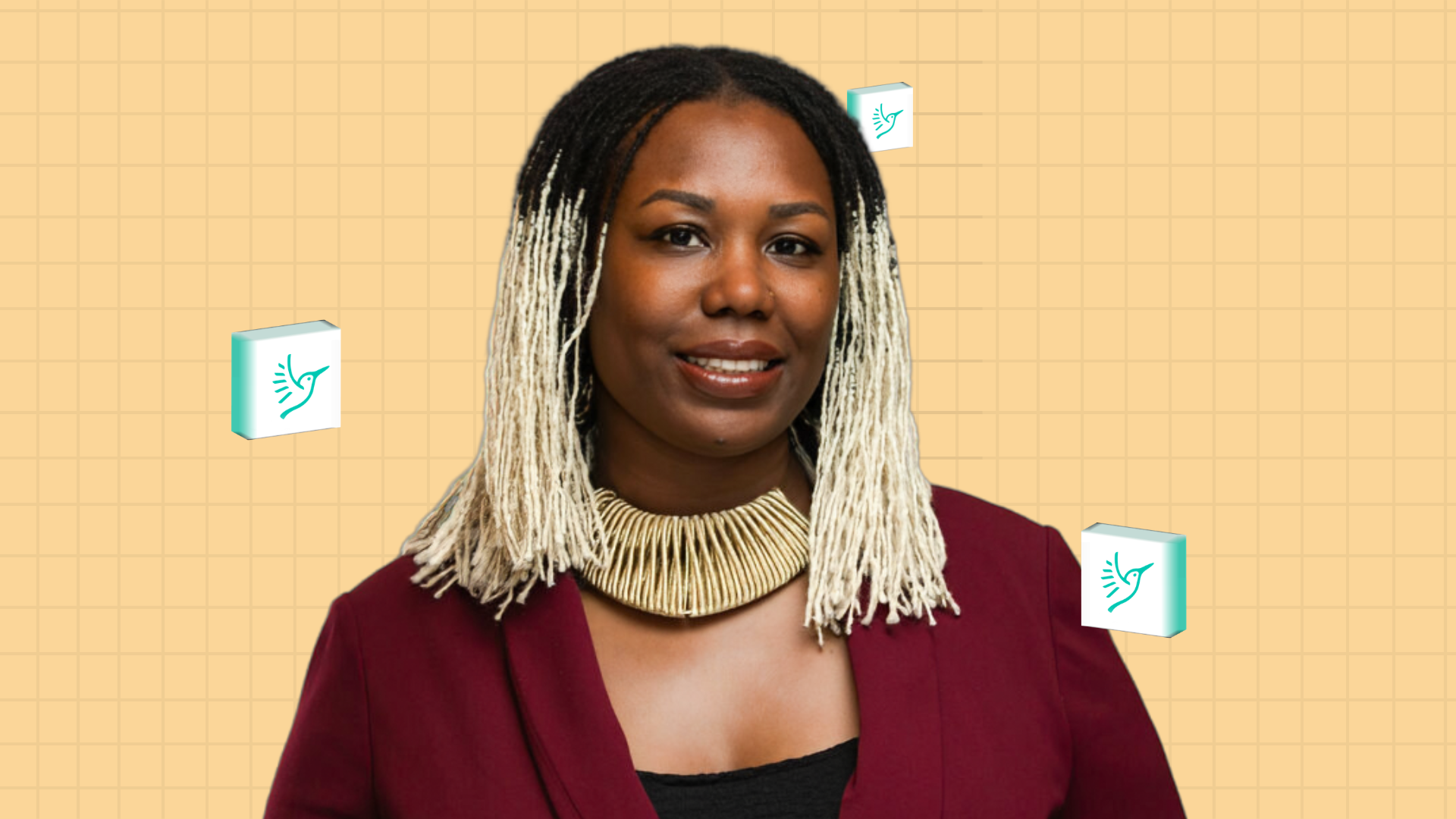
Mercy Erhiawarien, Head of International Programmes at Halcyon, a nonprofit startup accelerator, hardly notices.
She sits upright, almost intimidating at first glance, with the kind of posture that makes you instinctively straighten your own back. But the seriousness dissolves quickly. She laughs easily, often at herself, and answers questions with long pauses, not because she is searching for the right words, but because she seems determined not to waste them.
Over nearly an hour, our conversation wandered from Lagos and Nairobi to venture capital, village life, housing, artificial intelligence (AI) and why she believes Africa’s greatest shortage is not entrepreneurial talent but patient capital.
“I believe opportunity exists in places where people rarely look,” she tells me. It is perhaps the closest thing to a personal philosophy she offers.
That belief is rooted in a life lived across continents. Born in Nigeria’s Delta State and raised largely in the United States, Erhiawarien grew up moving between two worlds. The contrast in infrastructure, opportunity and public institutions sharpened rather than weakened her attachment to Africa.
Stories from her father, who grew up in a rural village before becoming an accountant, reinforced a conviction that where someone is born should never determine what they can become.
She dreams of financial instruments that give founders the confidence to take risks, neighbourhoods protected from speculative capital, and an Africa whose greatest export is opportunity.
This interview has been edited for length and clarity.
I’ll say both. But it depends on the weather. When it’s cold in Nairobi, I’ll prefer Lagos because it’ll be warm, and when it’s too hot in Lagos, I’ll prefer Nairobi because it’s cool.
I love the way Nairobi is set up. I love the greenery. I love the vibrancy it has. I love that you guys have a solid Kizomba dance culture. And I am seeing more and more that Nairobi is a city at the centre of ideas for how we can grow the continent, or one of the centres. Kenya has done a solid job of centering itself in that way.
Lagos is home. Lagos is in my blood. Although I’m not from Lagos, it’s definitely Nigeria. Lagos is the heartbeat, the energy, of Nigeria. It’s a place where things happen. It’s the New York of Africa—and I’ll say it: not Nairobi—and I’ll even say it’s more New York than New York.
If I visited the neighbourhood where you grew up, what would explain the investor you have become?
I don’t know if the neighbourhood actually shaped the investor I’ve become. I can’t say I feel like an investor yet, but I am one in the making.
My background has shaped how I view different things. I’m Nigerian, born in Delta State, but raised in the U.S. I spent the first few years of my life in Nigeria, and then we moved. Going back and forth between the U.S. and Nigeria, the disparities in quality of life and infrastructure always weighed heavily on my mind.
My father grew up in a village. I don’t know if many in today’s generation know what the village looks like, but learning from his experiences shaped my perspective on the need for people to have access to opportunity and for us to find ways to support underserved communities so they can actually thrive economically.
So, in terms of how it’s shaped me as a future investor, I believe in opportunities in places where they’re least sought out. I believe in opportunities for African people globally. I believe in ensuring that the poorest communities have a chance to thrive. And I have a risk tolerance for ideas that don’t come from capital cities all the time.
You mentioned your dad. What is the one thing that he taught you that has stuck with you to date?
Some of the things are unspoken. He’s generous and values education. He prioritised making sure that all of us were educated to the level we wanted to be. He championed the education of many of his nieces and nephews, and even people who were not related to him. He’s someone who has invested in people.
I’ve taken that away from watching him operate. The way he knows people, and the way he’s always cared about young people, means so many of my friends and younger friends speak of him as one of the adults in their lives they can talk to about different things. I’ve learned that it’s important to invest in people.
What was money like in your childhood? Was it discussed openly, hidden, or always scarce?
My dad was an auditor and an accountant. So to an extent, it was discussed. We would have budgets for school expenses.
Secretly, some of us learned to pad because you’d usually submit your budget and then get less than you asked for, because he’s like, “You don’t need the money.” But it was discussed, and I think that was important because it taught you, in a way, the value of money.
What part of your younger self have you deliberately refused to outgrow?
I think it’s probably a problem, but I am very idealistic about the continent. Some people would say I’m idealistic about the continent. I would say I’m deeply optimistic about Africa’s future, and I have not yet outgrown that, and I hope I never do.
Sometimes there’s this perception of Nigeria as a country that will break your heart. But I feel like it’s a toxic relationship worth being in, even through the heartbreak, because we have to build the thing that matters to us.
What breaks your heart about the continent?
Our leadership. It makes me very sad that we lack visionary leadership that actually looks ahead to what can be, and that is fiercely protective of what is needed to get the continent there, or get individual countries there. We have it in some places, but not everywhere.
The other thing that breaks my heart is that some countries don’t have the systems in place to help people have the right mindsets, and that ends up destroying economies and eroding economies over time, because the mindset is not there. It’s not right. It’s not ready.
Where would we rather have dinner if you wanted to tell me who you really are?
That is a hard question because I’m very easy. My friends like to think I’m bougie, but I’m very easy. Just feed me, so long as I’m not the one cooking it myself, and effort was made—I’m good. I don’t know. You have to ask somebody else that.
What’s the one thing you will never order in a restaurant?
Investors often say they back people more than products. What do you notice in founders within the first five minutes that most people miss?