Nigerian executives need Chinese business skills to win in a $28bn trade relationship- CEIBS
Nigeria’s growing trade relationship with China will deliver greater value only if business leaders understand how Chinese companies negotiate, make investment decisions and build long-term partnerships, the China Europe International Business School (CEIBS) has said.
Nigeria’s growing trade relationship with China will deliver greater value only if business leaders understand how Chinese companies negotiate, make investment decisions and build long-term partnerships, the China Europe International Business School (CEIBS) has said.
The business school’s warning comes at a pivotal moment for Africa’s largest economy. China removed tariffs on all Nigerian goods from May 1, 2026, giving Nigerian exporters their broadest access yet to the world’s second-largest economy. Bilateral trade between both countries exceeded $28 billion in 2025, and analysts expect commercial ties to deepen as more Chinese companies expand across Africa.
But while opportunities are increasing, CEIBS says many Nigerian executives remain unprepared for the realities of doing business with Chinese firms.
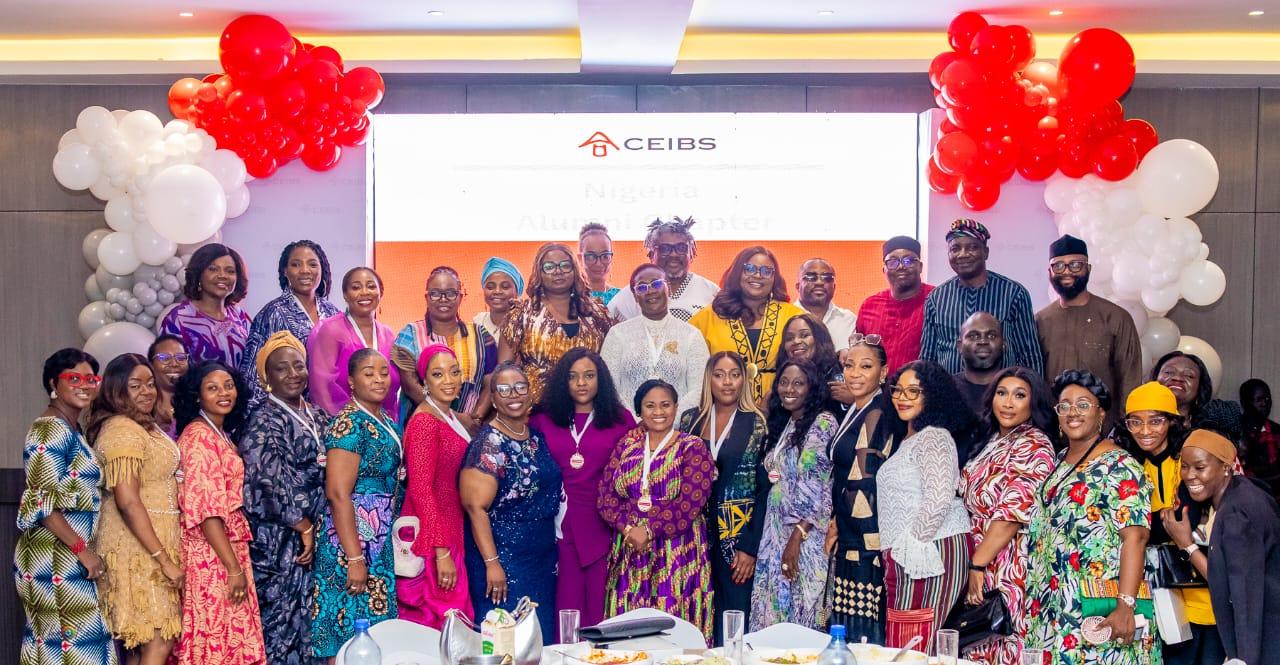
Speaking during the induction of new members into the CEIBS Nigeria Alumni Chapter in Lagos, Gordon Adomdza, executive director of CEIBS Africa, said many executives now engage with Chinese businesses as suppliers, investors, technology partners or competitors without fully understanding how those companies operate.
According to him, that knowledge gap could leave Nigerian businesses at a disadvantage during negotiations, particularly as China becomes an even more influential economic partner on the continent.
“China’s presence on the African continent keeps growing, which means managers and entrepreneurs will end up working with Chinese firms one way or another, directly or through a partner. If we want Africa built on our own terms, our executives need to understand how these global companies do business and how they negotiate,” Adomdza said.
He said executives who fail to understand the thinking behind Chinese business decisions often accept terms that could have been improved through better preparation and cultural understanding.
“An executive who does not understand how the company across the table operates will take the terms on offer, not the terms they could have negotiated. That is what this education changes. We are not teaching people to be wary of Chinese capital. We are teaching them to engage it from a position of knowledge,” he added.
The comments reflect a broader shift in executive education as African companies increasingly look east for investment, technology, manufacturing partnerships and export markets. Unlike traditional business programmes built largely around Western corporate models, CEIBS says its approach exposes executives to both Eastern and Western management philosophies.
Adomdza said the objective is not to copy China’s development model but to understand what has worked in comparable emerging markets and adapt those lessons to local realities.
“Study what has worked elsewhere, but build African solutions for African markets,” he said.
For Nigerian businesses, the timing is significant.
China’s decision to eliminate tariffs on Nigerian exports creates fresh opportunities for manufacturers, agribusinesses and exporters seeking to enter one of the world’s largest consumer markets. However, industry observers say market access alone does not guarantee commercial success, particularly where differences in business culture, negotiation styles and corporate governance can influence the outcome of deals.
CEIBS believes practical exposure is one way to bridge that gap.
Saidat Lawal-Mohammed, country manager for CEIBS Africa in Nigeria, said the school’s China Immersion Programme allows executives to experience China’s business ecosystem firsthand rather than learning only through classroom discussions.
Participants study China’s economic transformation from a development stage comparable to Nigeria’s, visit leading companies, interact directly with entrepreneurs and tour major trading hubs to observe how business negotiations and commercial relationships are built.
“The programme helps executives understand not only how Chinese companies operate, but also why they have become such dominant players across global supply chains,” she said.
Lawal-Mohammed also announced that the Women Entrepreneurship and Leadership for Africa (WELA) programme will be hosted in Abuja for the first time, expanding beyond Lagos and giving participants from the Federal Capital Territory and neighbouring states easier access to executive education.
The announcement was made during the alumni induction ceremony, which also featured the unveiling of the CEIBS Nigeria Alumni Chapter’s new website.
Omoyemi Chukwurah, president of the Nigeria Alumni Chapter, said the platform will serve as a permanent hub for professional networking, mentorship, collaboration and business introductions among graduates.
An alumna of both the Owner Director Programme and WELA, Chukwurah said stronger alumni connections would help members leverage one another’s expertise as Nigeria’s business environment becomes increasingly global.
CEIBS has grown into one of the world’s leading international business schools, with more than 33,000 alumni across 91 countries. Its Global Executive MBA was ranked second worldwide by the Financial Times in 2025, while its MBA programme has retained the top position in Asia for ten consecutive years.
As Nigeria seeks to diversify exports, attract more foreign investment and strengthen commercial ties with Asia, CEIBS argues that competitive advantage will increasingly depend not only on products and capital but also on executives who understand the language, culture and business practices of one of the country’s most important trading partners.
For Nigerian companies hoping to capture a larger share of a trade relationship already worth more than $28 billion annually, understanding how Chinese businesses think may prove to be as valuable as the market access itself.