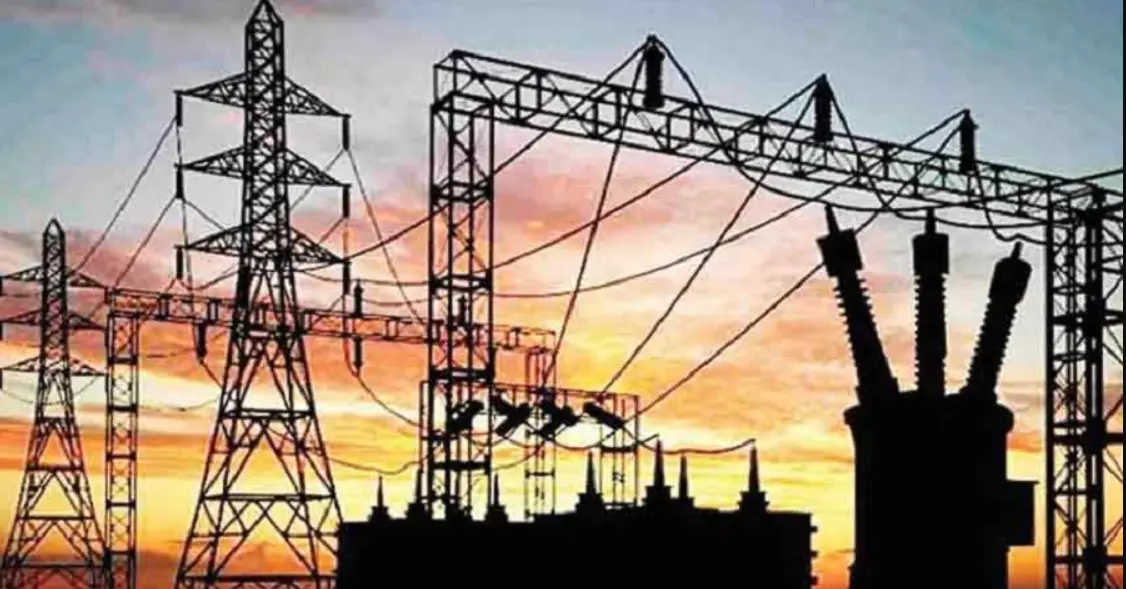
Power supply has been disrupted in parts of Nigeria after vandals destroyed six transmission towers on the critical Apir-Lafia transmission line in Nasarawa State, according to the Transmission Company of Nigeria (TCN).
- +Power outage hits parts of Nigeria as vandals destroy six TCN towers
The development was disclosed by TCN’s General Manager of Public Affairs, Ndidi Mbah, in a statement issued in Abuja on Wednesday.
The development was disclosed by TCN’s General Manager of Public Affairs, Ndidi Mbah, in a statement issued in Abuja on Wednesday.
According to the company, the vandalisation occurred on May 30 at about 1:15 a.m. during a heavy downpour.
Mbah explained that following the initial tripping of one of the transmission lines, TCN attempted to restore service through a trial reclosure operation, but the effort was unsuccessful.
Subsequent investigations and a physical trace of the transmission line revealed extensive damage to key components on towers T125 to T130, confirming acts of vandalism along the affected section of the transmission corridor.
As a result of the incident, both Apir-Lafia 330kV Transmission Lines I and II remain out of service pending the reconstruction of the damaged towers.
She said TCN had already deployed engineers to the affected location to determine the extent of the damage and begin preparations for restoration works.
Mbah added that the company had activated an alternative power supply arrangement to reduce the impact of the outage on electricity consumers served by the affected network.
Vandalisation of critical infrastructure remains one of the major challenges facing Nigeria’s power sector, contributing significantly to outages, supply disruptions and mounting repair costs. Similar incidents are also common in the telecommunications and oil and gas sectors, where attacks on infrastructure frequently affect service delivery.
The trend continued in 2025. In the first half of the year alone, 42 vandalism incidents were recorded, affecting a total of 178 transmission towers across the country, highlighting the growing threat to Nigeria’s electricity infrastructure.