NerdzFactory Company and Research Links Certify 201 Skilled Tradespeople Across Ten Trades in Lagos, Nigeria
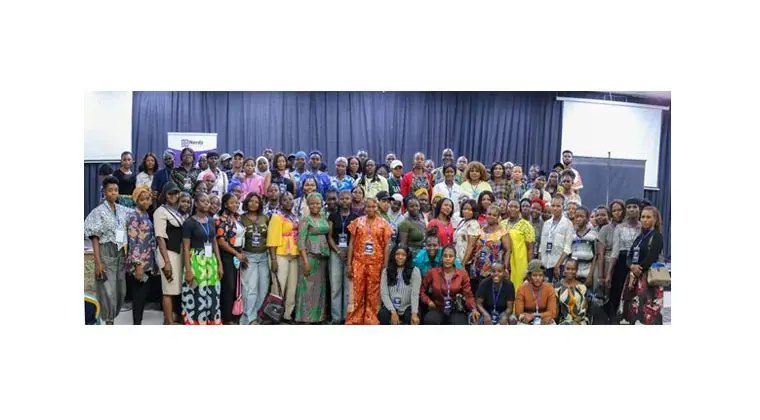
NerdzFactory Company and Research Links completed the MasterCrafters Assessment and Training Programme in April 2026, certifying 201 skilled tradespeople across ten trades in Lagos, Nigeria, as structured mentors ready to develop the next generation of apprentices.
NerdzFactory Company and Research Links completed the MasterCrafters Assessment and Training Programme in April 2026, certifying 201 skilled tradespeople across ten trades in Lagos, Nigeria, as structured mentors ready to develop the next generation of apprentices. NerdzFactory Company and Research Links are in partnership with the Mastercard Foundation and Digital Opportunity Trust. The MasterCrafters Assessment and Training Programme was delivered under the Indigenous Apprenticeship to Work Programme, which is implemented as part of the Employee Innovation Fund, a shared commitment to driving sustainable change in Nigeria’s informal skills economy by investing in the people who already hold the knowledge.
The majority of Nigeria’s workforce operates within the informal sector, yet the apprenticeship system through which most young people acquire trade skills has long operated without structure, formal accountability, or any pathway to certification. NerdzFactory Company and Research Links designed an approach that worked from the ground up, mobilising experienced craftspeople from across Lagos communities, assessing them for technical competence and mentorship readiness, and equipping them with the frameworks needed to teach with intention.
The programme ran in two phases. An assessment conducted between April 16-18, 2026, evaluated candidates across ten trades: fashion designing and tailoring, auto mechanics, carpentry and furniture making, catering, hair making, photography, cosmetology, art and craft, nail technology, and shoe making. Of the 201 MasterCrafters, 186 are women, and 15 are men. This strong representation of women reflects a deliberate priority on inclusion in the programme’s design, opening formal certification pathways to a group that has long held the skills but rarely the credentials. Four of the certified MasterCrafters are persons with disabilities, each assessed on the same terms as every other participant, reflecting the program’s commitment to inclusive access to skills development and professional advancement opportunities. Training was held at the end of April, covering safeguarding, ethical apprenticeship practices, mentorship, communication, financial literacy, inclusion, and conflict resolution.
A defining outcome was the formal certification of all 201 MasterCrafters through Nigeria’s Recognition of Prior Learning (RPL) framework, administered by the National Board for Technical Education (NBTE). For most participants, years of skilled practice had existed outside the country’s formal certification system, recognised in their communities but not yet captured through formal credentials. That changed with this programme. The credentials they now hold convert decades of hands-on expertise into formally recognised national qualifications, validating not just their skill but their professional standing.
“This milestone validates a simple but powerful idea: when we invest in the people who hold the knowledge, we unlock scale. We have certified 201 MasterCrafters as structured mentors equipped to train the next generation of apprentices. What this unlocks is systems change. A replicable mentorship infrastructure that communities can own, partners can scale, and young people can build careers on,”
With certification complete, the Indigenous Apprenticeship to Work Programme moves into its apprenticeship training phase, matching young people with certified MasterCrafters across all ten trades for six months of hands-on learning. Apprentices will then proceed into a structured placement phase, transitioning from learners into practitioners. For NerdzFactory Company and Research Links, this is how the work shifts from a single programme to lasting infrastructure: a sustainable, economically productive pathway for young Nigerians entering the world of skilled work.