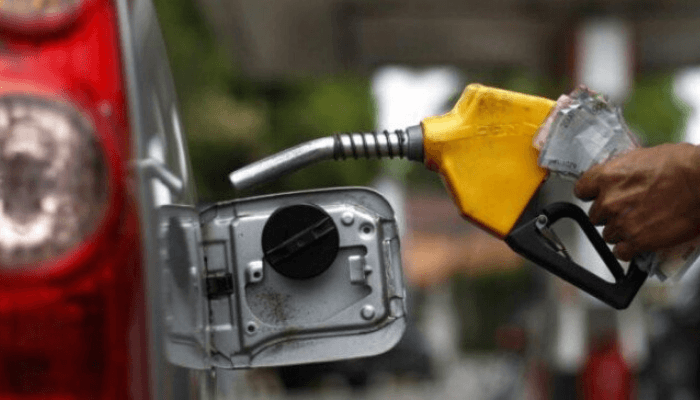
Filling up a tank in Nigeria today has become an exercise in trade-offs. As the meter climbs, so does a mental list of everything else that money could have covered. Most of us have come to accept the rising numbers, even though the acceptance hasn’t softened the impact.
- +The real cost of rising fuel prices is not at the pump
Since the removal of the fuel subsidy in May 2023, petrol prices have increased sharply and repeatedly, driving up the costs of transportation, food, and other essentials.
Since the removal of the fuel subsidy in May 2023, petrol prices have increased sharply and repeatedly, driving up the costs of transportation, food, and other essentials. We’ve simply adjusted our budgets and cut back where we can. However, adaptation has its blind spots. While we adjusted our spending, the economy itself continued to change. Fuel prices don’t just stay at the pump; they create ripples that affect transportation, food, and services, altering the cost of everyday life.
What is easier to miss is what this same shift is doing to the money you are not spending. In an environment where costs are rising steadily, money does not hold its value simply by sitting still. The amount you set aside last year is less today. The amount you are keeping now will be less in the near future. This is the basic arithmetic of the economy we are in. And yet, the instinct for many has been to hold tighter, save more deliberately, or keep money where it feels secure.
However, saving and growing are not interchangeable. People have learned to earn and to save, but not necessarily how to make their money keep pace with the environment around them. For a long time, that gap was reinforced by the belief that investing was complex, exclusive, and best left for people with specialised knowledge or access. Today, the structure of investing has changed. There are clear, professionally managed pathways that allow everyday Nigerians to put their money to work without needing to interpret markets or take on risks they do not understand.
What has not evolved at the same pace is how people think about their money. A lot of us are still relying on habits formed in a more stable environment, where leaving money untouched felt like enough. Today’s economy is different. Prices adjust more often, and money that stays idle tends to lose value over time.
We see this shift up close in conversations about what people need their money to do at Regius Asset Management. We work with a range of clients, but our focus is increasingly on those who have earned, saved, and planned but are now realising that caution alone is no longer enough.
As an SEC-licensed fund and portfolio manager, our role is to provide structure, building investment solutions that are professionally managed, aligned with different risk levels, and designed to help money keep pace with the realities people are facing.
Nigeria’s economic reality is already here, but you don’t have to respond to it on your own. It can mean choosing the right framework and the right people to manage that shift with you. The fuel queue made one thing clear: the cost of living has changed. What remains is deciding what your money does next.
Yvonne Akintomide, Managing Director, Regius Asset Management Limited.