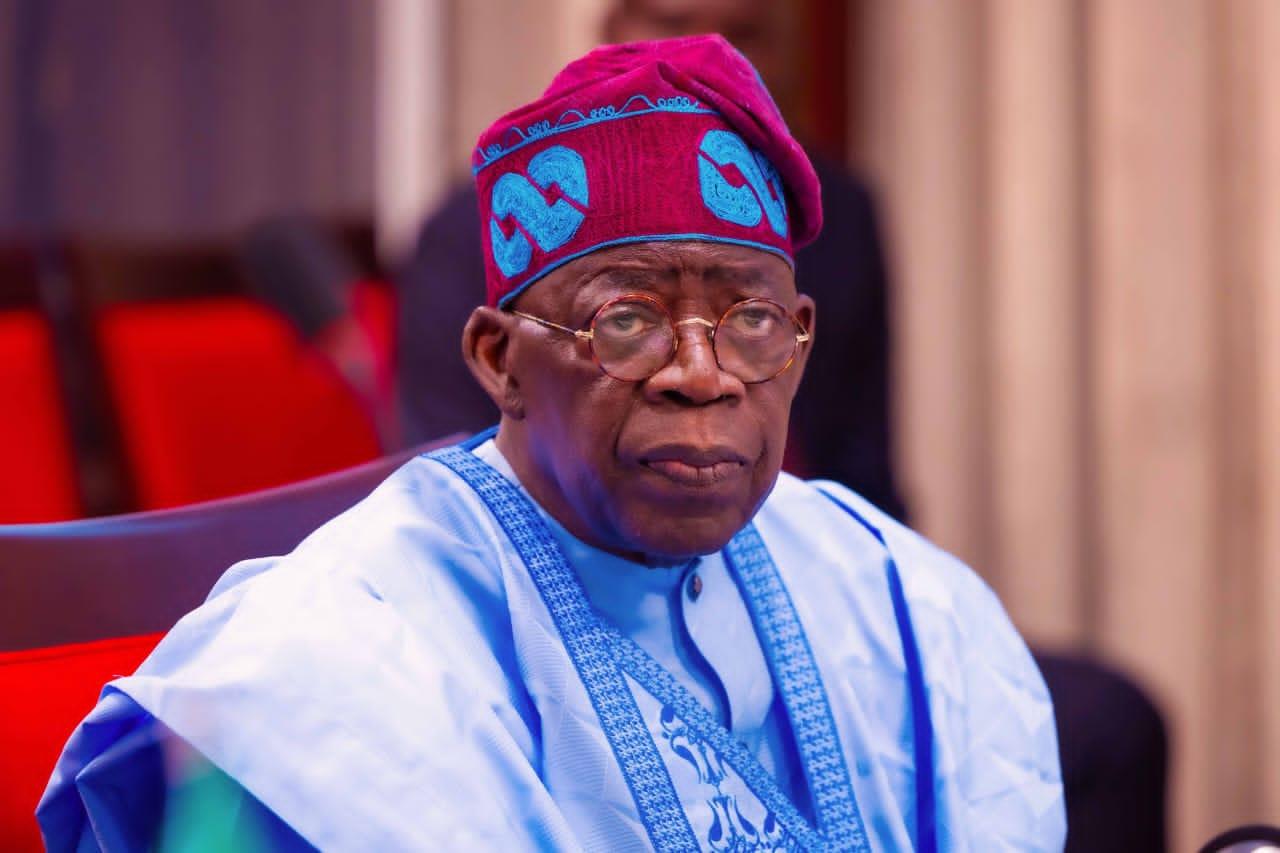
President Bola Tinubu has approved a N3.3 trillion payment plan to settle outstanding debts in Nigeria’s electricity sector under the Presidential Power Sector Financial Reforms Programme.
- +Tinubu approves N3.3tn plan to clear power sector debts
The development was disclosed in a statement issued on Sunday by the President’s Special Adviser on Information and Strategy, Bayo Onanuga.
The development was disclosed in a statement issued on Sunday by the President’s Special Adviser on Information and Strategy, Bayo Onanuga.
“President Bola Tinubu has approved the payment plan to finally settle the outstanding debts under the Presidential Power Sector Financial Reforms Programme,” the statement said.
According to the presidency, the decision followed a final review of legacy debts that have plagued the power sector for over a decade.
The government said the liabilities accumulated between February 2015 and March 2025, adding that after verification, ₦3.3 trillion was agreed as a full and final settlement.
Implementation has already commenced, with 15 power generation companies signing settlement agreements valued at ₦2.3 trillion, the statement noted .
Mr Onanuga said the federal government has raised ₦501 billion so far to fund the payments, out of which ₦223 billion has been disbursed, with further payments ongoing.
The intervention comes amid persistent electricity shortages across Nigeria, forcing households and businesses to rely heavily on petrol and diesel generators and solar alternatives. Similarly, electricity grids have collapsed multiple times this year, leaving millions in the dark across the country.
The power supply challenge has significantly increased operating costs for businesses, many of which pass the additional burden on to consumers through higher prices of goods and services.
The approval comes months after the Nigeria Labour Congress (NLC) criticised demands by power generation companies for financial intervention.
In February, the union described a reported N6 trillion demand by the companies as “a clandestine scheme” to siphon public funds under the guise of sectoral support.
The NLC accused the Association of Power Generation Companies (APGC) of seeking an unjustifiable bailout, arguing that the privatisation of the power sector has failed to deliver improved generation capacity or reliable service. At the heart of the dispute is the federal government’s reported contemplation of a N3 trillion intervention for GENCOs.
According to the NLC, a key concern is that assets reportedly acquired for about N400 billion are now linked to demands running into trillions of naira, despite what it described as stagnant output since privatisation.
“This is not economics; this is plunder. They call it business, but we call it a heist,” NLC President Joe Ajaero said at the time.
The federal government said the debt settlement is expected to improve liquidity across the power value chain and enhance electricity generation.
It noted that timely payments to gas suppliers and generation companies would help stabilise operations and improve service delivery.
“This programme is not just about settling legacy debts. It is about restoring confidence across the power sector — ensuring gas suppliers are paid, power plants can keep running, and the system begins to work more reliably,” said Olu Arowolo-Verheijen, Special Adviser on Energy to the President.
She added that the initiative forms part of broader reforms, including improved metering and service-based tariffs linked to electricity supply quality.
The government also said it is prioritising power supply to industries, businesses, and small enterprises to support economic growth and job creation.
“The goal is simple: more reliable power for homes, stronger support for businesses, and a system that works better for all Nigerians,” she said.
President Tinubu commended stakeholders involved in resolving the sector’s long-standing issues and confirmed that the next phase of the programme (Series II) will commence this quarter.