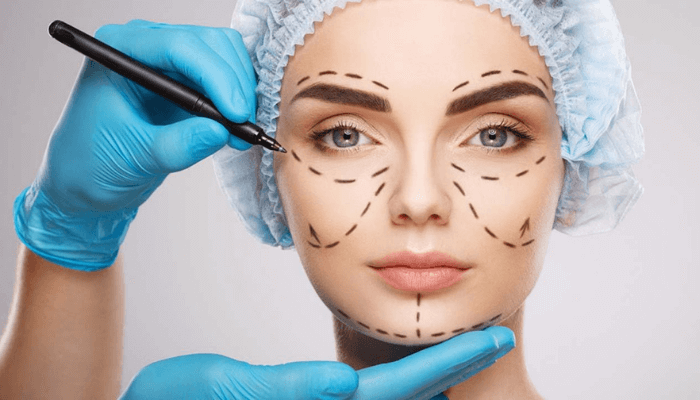
At a time when medicine is becoming increasingly global, the future of healthcare education may depend less on geography and more on collaboration. Few specialities illustrate this shift more clearly than plastic and reconstructive surgery, where international partnerships are helping to close long-standing gaps in training, research, and access to specialised care.
- +Beyond borders: How global collaboration is reshaping plastic surgery education
This reality came into focus during the recent annual meeting of the American Society of Plastic Surgeons in New Orleans, where surgeons from different parts of the world gathered to discuss the growing importance of shared learning in surgical development.
This reality came into focus during the recent annual meeting of the American Society of Plastic Surgeons in New Orleans, where surgeons from different parts of the world gathered to discuss the growing importance of shared learning in surgical development. One of the most significant conversations emerged under the platform of SHARE, Surgeons in Humanitarian Alliance for Reconstruction, Research and Education, an initiative focused on expanding accredited medical education and strengthening surgical training across regions with limited resources.
The significance of such collaborations extends beyond technical exchange. In many developing countries, plastic and reconstructive surgery remains constrained by limited training infrastructure, inadequate mentorship opportunities, and uneven access to modern techniques. As a result, many young surgeons are forced to rely on fragmented learning pathways that slow professional development and restrict patient outcomes. International partnerships help bridge these gaps by creating systems where knowledge, expertise, and innovation move more freely across borders.
Among the contributors to the discussion was Amaka Patricia Ehighibe, whose reflections drew attention to the realities of surgical practice in Sub-Saharan Africa. Her intervention highlighted an important point often overlooked in global health conversations: collaboration is not merely about transferring skills but about building sustainable systems of mentorship, research, and professional support. In fields such as reconstructive and humanitarian surgery, where outcomes can be life-changing, sustained training ecosystems matter as much as technology itself.
The expansion of virtual learning platforms, observership programmes, and cross-border mentorship models is already reshaping how surgical education is delivered globally. Organisations such as the American Society of Plastic Surgeons and the Plastic Surgery Foundation are helping to create networks where expertise is no longer confined to elite institutions or wealthy countries alone. This matters because the demand for reconstructive care continues to grow globally, particularly in regions facing conflict, trauma, burns, congenital abnormalities, and limited specialist coverage.
As medical science advances, collaboration is becoming more than a professional ideal; it is increasingly a practical necessity. The most enduring medical progress has rarely been built in isolation. It has emerged through shared research, mentorship, and the willingness of professionals to exchange knowledge across borders. In that sense, the future of plastic surgery education may ultimately depend not only on technological advancement but also on how effectively the global medical community learns to grow together.