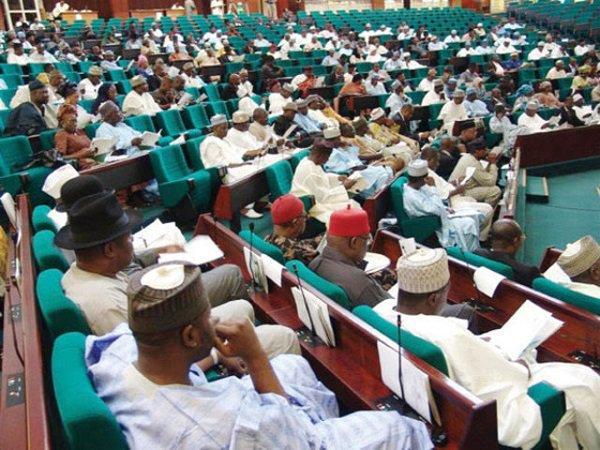
Senator Samaila Dahuwa Kaila, representing Bauchi North in the 10th National Assembly, has warned that the frequent replacement of legislators during elections undermines effective lawmaking and nation-building.
- +Frequent turnover of lawmakers threatens nation-building — Senator Kaila
Kaila spoke in Abuja on Monday after obtaining his expression of interest and nomination forms to seek a second term on the platform of the All Progressives Congress (APC).
Kaila spoke in Abuja on Monday after obtaining his expression of interest and nomination forms to seek a second term on the platform of the All Progressives Congress (APC).
According to him, legislative work requires experience, continuity, and institutional memory, which are often lost when lawmakers are regularly voted out.
“Legislation is a continuous process that demands training and institutional memory. Any constituency that frequently removes its legislator is not doing itself or the nation any good,” he said.
He argued that the high turnover rate in the current Senate has affected the quality of legislation.
“About 80% of senators were new at the start of this Assembly. When you keep changing legislators without considering the need for experience, it affects the quality of laws we produce,” he said.
Kaila also clarified misconceptions about constituency projects, stressing that they fall under the executive arm of government.
“Constituency projects are not part of our core legislative duties. They are executed by the executive; we only facilitate them. Legislators should be assessed based on lawmaking and oversight functions,” he explained.
“As a senator, you legislate for the entire country. Many of the bills we handle may not directly impact our constituencies but are crucial to national development,” he added.
Meanwhile, Senator Benson Sunday Agadaga of Bayelsa East, who is also seeking re-election, said a second term would enhance his effectiveness.
He noted that lawmakers require time to gain experience and contribute meaningfully to leadership and national development.