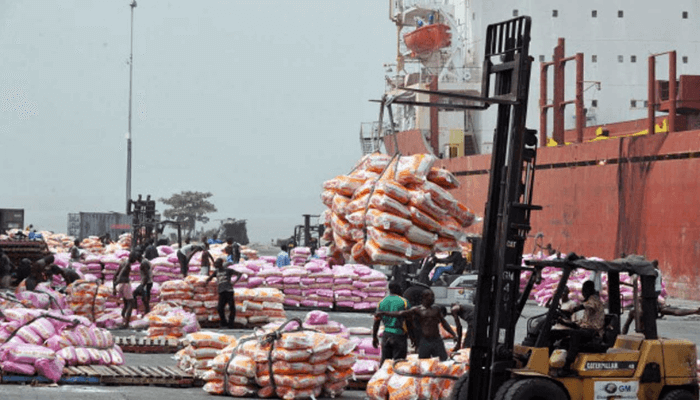
The federal government of Nigeria has banned the importation of 17 essential goods from countries outside the Economic Community of West African States (ECOWAS), confining supplies of poultry, cement, pharmaceuticals and processed foods exclusively to regional partners.
- +Full list of products under Nigeria’s non-ECOWAS import ban
- +Live or dead birds, including frozen poultry
- +Pork and beef, including tongues, livers and shoulders of bovine animals
- +Bird eggs (excluding hatching eggs for breeding and research)
“Import Prohibition list (Trade), applicable only to certain goods originating from non-ECOWAS Member States.
“Import Prohibition list (Trade), applicable only to certain goods originating from non-ECOWAS Member States. It consists of 17 items,” the federal ministry of finance wrote in a circular,
The revised prohibition list, effective April 1, bars purchases from non-ECOWAS suppliers across food, consumer staples and industrial materials. The move restricts market access to Benin, Cabo Verde, Cote d’Ivoire, The Gambia, Ghana, Guinea, Guinea-Bissau, Liberia, Nigeria, Senegal, Sierra Leone, and Togo.
Niger, Mali and Burkina Faso announced they were leaving the bloc in 2024.
According to the policy, importers with existing contracts and opened Form ‘M’ documents, the formal import instrument, have a 90-day grace period to clear goods at previous duty rates.
All new transactions from April 1 onwards face the restrictions.
Live or dead birds, including frozen poultry
Pork and beef, including tongues, livers and shoulders of bovine animals
Bird eggs (excluding hatching eggs for breeding and research)
Refined vegetable oil (excluding linseed, castor, olive oil and hydrogenated fats) and crude vegetable oil.
Cane or beet sugar and chemically pure sucrose in solid form with added flavouring or colouring.
Cocoa butter, powder, cakes, and cocoa fat and oil.
Tomatoes—whole, in pieces, paste or concentrates.
Sugared or flavoured water, mineral water and non-alcoholic beverages.
NPK mineral or chemical fertilisers.
Corrugated paper, cartons, boxes and cases.
Hollow glass bottles exceeding 150ml capacity.
Flat-rolled iron or steel products, 600mm or wider, clad or coated—corrugated.
The move raises questions about Nigeria’s and the ECOWAS region’s ability to plug the domestic demand gap, including a 1.5 million metric tons of poultry annually against local production of under 600,000 tons.
The UK supplies 47 percent of Nigeria’s poultry imports, according to IndexBox with South Africa dominating meat and poultry sales to Nigeria with a 56 percent share.
Nigeria’s cement sector faces similar pressure. Germany supplies 77 percent of Nigeria’s cement imports, followed by Egypt at 10 percent and China at 6.3 percent according to IndexBox.
The country also imports most of its pharmaceuticals from India, China and the United States according to data from Volza, with over 70 percent of drugs coming from overseas reports Mobility Foresights. Data suggests that no ECOWAS member possesses comparable manufacturing scale to countries like India, which dominates the global generic drug market.