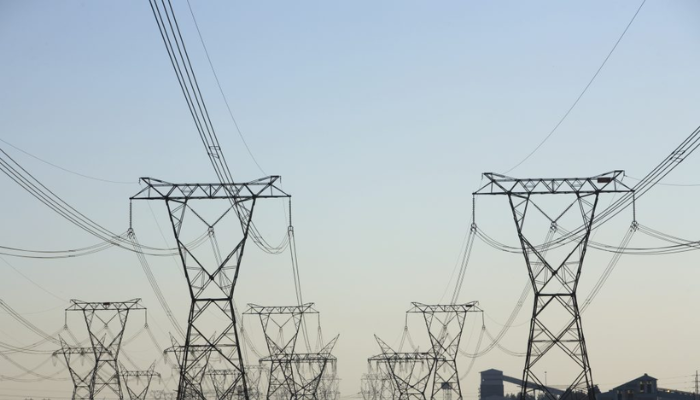
Electricity generation remains a critical driver of economic growth and industrial development across Africa, with a handful of countries accounting for a significant share of the continent’s total power output due to strong energy infrastructure and resource capacity.
- +Top 5 electricity producers across Africa
According to data from the International Energy Agency, the ranking reflects the growing importance of stable electricity supply in supporting industries, businesses and households across the continent.
According to data from the International Energy Agency, the ranking reflects the growing importance of stable electricity supply in supporting industries, businesses and households across the continent.
Despite improvements in generation capacity in some regions, inadequate power supply continues to limit development in key sectors including healthcare, agriculture and education.
Experts say increased investment in energy infrastructure remains vital to Africa’s long-term economic growth and industrial expansion.
Here are the top five electricity-producing countries in Africa.
South Africa remains Africa’s largest producer of electricity, generating about 229,303 GWh of power. Coal accounts for more than 70 per cent of the country’s electricity supply, making it the backbone of its energy sector.
Despite its large output, South Africa continues to experience planned power cuts due to pressure on the national grid and ageing infrastructure. Solar and wind energy projects have also increased in recent years as the country works to improve supply and reduce dependence on coal.
Egypt ranks second among electricity-producing countries in Africa, generating more than 200,000 GWh of electricity annually. The country moved from years of electricity shortages to achieving a stable power surplus in 2016.
Natural gas contributes over 75 per cent of Egypt’s electricity supply. The government has also invested heavily in solar and wind energy projects, especially around the Red Sea region, while expanding electricity exports to neighbouring countries.
Algeria produces more than 85,500 GWh of electricity, placing it among Africa’s leading power producers. The country depends mainly on natural gas, which supplies over 95 per cent of its electricity generation.
The North African nation currently meets domestic electricity demand, although experts say more investment in transmission infrastructure will be needed to support industrial growth and economic expansion.
Morocco generates more than 41,000 GWh of electricity and has become one of Africa’s major producers of renewable energy. Its electricity mix includes coal, natural gas, solar and wind energy.
Although Morocco still imports electricity from Spain during peak demand periods, the country has set a target of generating more than 50 per cent of its electricity from renewable sources by 2030.
Nigeria rounds out the top five with electricity generation of over 40,000 GWh. Despite being Africa’s most populous nation, electricity supply remains below the level required to meet domestic and industrial demand.
Natural gas and hydropower remain Nigeria’s major electricity sources. Due to unstable supply, many homes and businesses continue to depend on generators and privately owned solar systems for daily power needs.