Get smarter about Francophone Africa with our newsletter, Francophone Weekly—the startups, tech policies, and institutions building the pipelines for ecosystem growth.
- +👨🏿🚀TechCabal Daily – Safaricom ports to South Africa
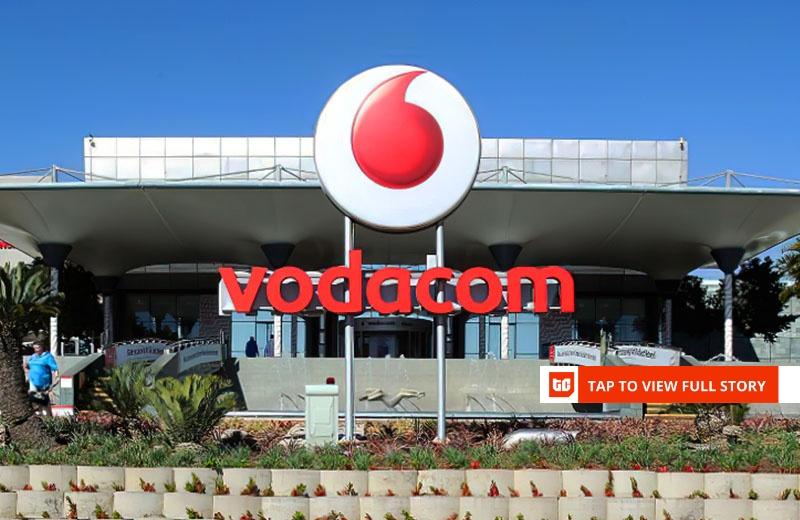
Seven months, three competition regulators, and one court battle later, Vodacom has finally landed one of Africa’s biggest telecom deals.
Seven months, three competition regulators, and one court battle later, Vodacom has finally landed one of Africa’s biggest telecom deals.
The South African operator has completed its R35 billion ($2.1 billion) acquisition of an additional effective 20% stake in Safaricom, raising its ownership from 35% to 55%, giving Vodacom majority control. The deal combines a 15% stake bought from the Kenyan government with another 5% acquired from Vodafone International, the South African telco’s subsidiary.
If this sounds like a saga, it was. Since the deal was announced in December 2025, it has survived approvals from competition regulators in Kenya, Tanzania, Uganda, and COMESA, only to be frozen by Kenya’s High Court through a conservatory order after petitioners questioned why the government was selling part of one of its most strategic and profitable assets. On June 26, the Kenyan Court of Appeal lifted that order, clearing the final obstacle before the transaction closed on Tuesday.
Why did Vodacom fight so hard? Safaricom isn’t just East Africa’s biggest mobile network; it’s one of the continent’s strongest cash generators. In the year ended March 2025, it posted KES 388.7 billion ($3 billion) in revenue and KES 69.8 billion ($540 million) in net profit, powered by M-PESA, the mobile money platform that has become the backbone of Kenya’s digital economy.
Who wins? Vodacom. A larger stake means a larger share of Safaricom’s earnings and greater influence over one of Africa’s most profitable telecom businesses. It also validates a $2.1 billion bet that management argued was worth making despite months of legal uncertainty.
Zoom out: This deal was never just about buying more shares. It was about buying more exposure to Africa’s most successful telecom-fintech ecosystem. For Vodacom, the future of telecom is no longer measured by SIM cards sold, but by how much of the continent’s digital economy flows through the networks it owns.
If you paid for DStv this month expecting to watch the new season of House of the Dragon, we have some bad news.
Canal+, the MultiChoice owner that operates DStv, is playing a different game of thrones. The payTV operator said it renewed its channels agreement with Warner Bros. Discovery, which runs CNN, Discovery, and Cartoon Network. But the separate deal that brings HBO’s blockbuster shows to your TV screens has expired.
If this feels like déjà vu, it probably is. Remember December 31, 2025? MultiChoice was walking on a similar tightrope when its parent company Canal+ was renegotiating licencing deals for about 12 channels, including CNN and Cartoon Network, to remain on DStv. It got that deal over the line at the eleventh hour. HBO, however, was negotiating under a different contract, and that problem appears to have finally caught up with it.
Explain content leasing like I’m new here: TV channels and TV shows are often licenced separately. A broadcaster can secure the right to carry CNN or Cartoon Network without automatically securing the rights to HBO’s premium catalogue. Canal+ renewed one agreement, but the one covering prestige HBO programming, including House of the Dragon, The White Lotus, and The Last of Us, has lapsed.
Canal+ has stopped short of saying whether negotiations are still underway or whether HBO content is gone for good. Either way, DStv subscribers are discovering that renewing the pipes doesn’t necessarily mean renewing what flows through them.
Is it all part of the plan? Maybe. Canal+ wants DStv to evolve from a traditional pay-TV operator into an entertainment aggregator, as Group CEO Maxime Saada previously said. It already bundles Netflix into several Francophone African countries, and is steering subscribers towards DStv Stream.
But that strategy only works if the hub keeps attracting the biggest shows. Losing HBO chips away at one of the few reasons many customers still pay for premium television. Whether Canal+ chose that trade-off or simply couldn’t avoid it is the question.
Who loses? DStv Premium subscribers. They are clearly not getting the premium treatment of seeing Emma D’Arcy tear it up as Rhaenyra in the show’s third season—at least not on DStv. HBO has been a cornerstone of M-Net’s premium offering for more than a decade; replacing prestige television is far harder than replacing another lifestyle channel.
Who wins here? Netflix, Prime Video, and whichever service eventually lands HBO’s African rights. Every premium show that leaves DStv gives viewers another reason to ask whether paying R699 ($43) a month for traditional pay-TV still makes sense.
The theme for this year’s Naira Life Conference by Zikoko is “All About Wealth.”Join 2,000+ in Lagos on August 22 for a day of practical money conversations and workshops designed to move you from simply earning an income to building lasting wealth. Get 15% off early bird tickets.
Sending money used to be enough. Today, every fintech can move money, transfers are becoming commoditised, and customers happily keep five finance apps on the same phone. The real battle is no longer over who processes your payment. It’s over who keeps your money after the payment is done.
Paga’s latest partnership with blockchain startup TBook is the fintech throwing its weight behind that future.
The deal gives users access to tokenised investments, which are digital versions of real-world assets like fixed income, private credit, and real estate. But the blockchain isn’t the interesting part. The business model is. Paga wants to evolve from the app that helps Africans move money into the platform that helps them build wealth.
State of play: Paga Engine processed $12 billion in transaction value in 2025 and now powers payments for more than 300 businesses. In recent months, Paga has added stablecoin settlement through Crossmint, yield-bearing products with Sui, and now tokenised investments through TBook.
Explain it like I’m new here: Tokenisation simply turns ownership of an asset into digital units on a blockchain. Instead of needing thousands of dollars to invest in a property fund or private credit vehicle, you could buy a small slice through an app. The promise isn’t crypto speculation. It’s making traditionally exclusive investments far easier to access.
Who wins? Fintechs looking for new revenue beyond transaction fees, and consumers whose idle wallet balances could finally earn a return instead of collecting digital dust.
Who loses? Traditional investment firms that have relied on high minimum deposits, paperwork, and exclusivity to keep retail investors on the sidelines.