Afretrade moves to bridge Africa’s untapped diaspora capital markets with entrepreneur’s festival
As soaring inflation, currency fluctuations, and an escalating cost of living continue to pressure local industries, a major structural pipeline is being rolled out to bridge the gap between African micro, small, and medium enterprises (MSMEs) and untapped diaspora capital markets.
As soaring inflation, currency fluctuations, and an escalating cost of living continue to pressure local industries, a major structural pipeline is being rolled out to bridge the gap between African micro, small, and medium enterprises (MSMEs) and untapped diaspora capital markets.
Afretrade Inc., a California-based pan-African trade and investment platform, has announced the maiden edition of the Afretrade Entrepreneur’s Festival (TAEF) 2026. The three-day economic convergence will take place from June 17–19, 2026, at the Eko Hotel & Suites in Victoria Island, Lagos.
Themed ‘Africa’s Economic Renaissance,’ the summit is explicitly designed to shift the continent’s developmental narrative away from high-level rhetoric and firmly into transactional execution.
The summit serves as the formal launchpad for two landmark initiatives: the Afretrade Africa Economic Renaissance Movement—a coordinated international effort mobilizing the African diaspora as institutional investors—and the Lagos–California Sister State Economic Corridor, designed to structurally link Nigeria’s commercial engine with the world’s fourth-largest economy.
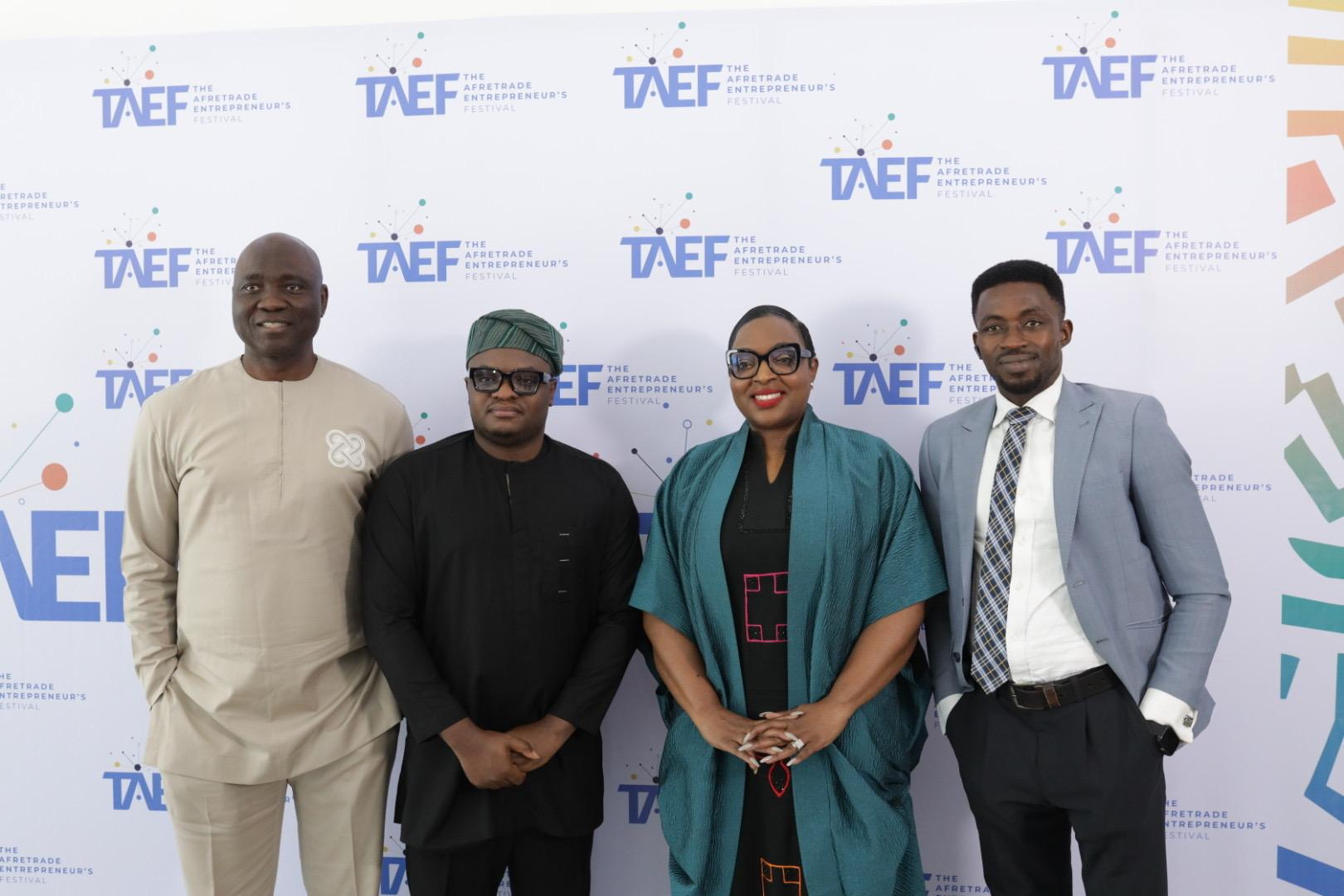
Speaking at a press briefing ahead of the summit, Charly Lemassi, Chief Operating Officer of Afretrade and Festival Director, emphasized that the current economic realities confronting local business owners demand immediate intervention rather than long-term promises.
“It is critical to execute this right now because people are losing hope,” Dr. Lemassi stated.
“With intense inflation and surging living costs, people are exhausted financially, emotionally, and mentally. They are actively looking for clear solutions. We in the diaspora have not forgotten them. We want to lift the burden from the government’s shoulders by stepping in to hold the hands of entrepreneurs who are ready to scale.”
The event has secured high-level diplomatic support, with the Grand Opening Plenary expected to feature former Nigerian President Chief Olusegun Obasanjo alongside a prominent Californian delegation led by Toks Omishakin, Secretary of the California State Transportation Agency (CalSTA).
“Africa is always called the ‘next frontier,’ but I reject that premise. Africa is now. It is not next. TAEF 2026 is not just a standard conference—it is an execution-driven movement,” Charly Lemassi, COO, Afretrade Inc said.
A major focus of the three-day festival is addressing the persistent structural blocks holding back intra-African trade, which currently languishes at less than 15% compared to over 60% in Europe and 70% in Asia. While policy tools like the African Continental Free Trade Area (AfCFTA) exist, micro-entrepreneurs on the ground continue to face severe operational bottlenecks.
Lemassi noted that the primary barrier to continental trade is not merely regulatory, but a combination of baseline information gaps and mutual peer-to-peer mistrust.
“For the everyday business person, academic talk about intra-African trade doesn’t mean much,” Lemassi explained. “A local designer asks: ‘How do I sell my fabrics to Ghana or Nairobi? How do I handle cross-border payments when dealing with different currencies like the West African CFA franc or South African Rand?’ The basic operational pathways are missing.”
“Furthermore, Africans are frequently hesitant to trust one another across borders,” he added. “If a merchant meets a vendor randomly online, there is no confidence to ship goods. TAEF 2026 is building a verified ecosystem. We are acting as the trusted witness that vouches for a tailor or builder’s capacity and registration, giving cross-border partners the confidence to transact safely.”
To move these businesses from local production to export capacity, the festival features structured deal rooms, a startup pitch stage offering a $10,000 grant, diaspora business matchmaking forums, a fashion runway, and a multi-sector job fair.
Organizers confirmed that despite being the maiden edition, interest has surged significantly, with corporate participants and digital attendees expected from over 40 African nations, setting up a permanent trade network that outlasts the three-day summit.cç