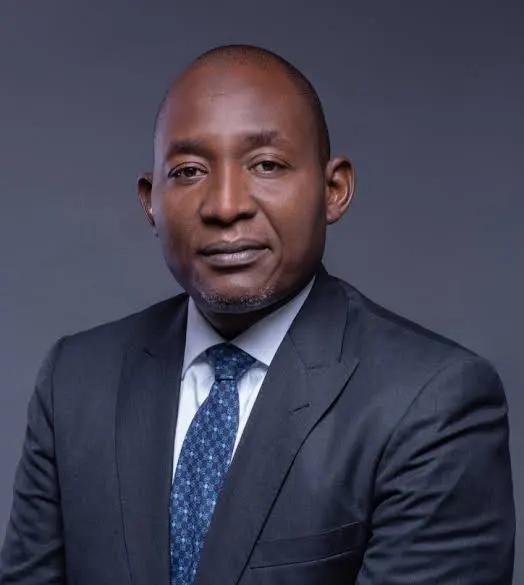
Senate confirms Umar as NMDPRA chief in race to stabilise post-subsidy petrol market
The Senate has confirmed Rabiu Umar as chief executive of the Nigerian Midstream and Downstream Petroleum Regulatory Authority, handing the government its most significant regulatory appointment in the petroleum sector since the subsidy removal of 2023 restructured the entire economics of fuel supply in Africa’s most populous nation.
The Senate has confirmed Rabiu Umar as chief executive of the Nigerian Midstream and Downstream Petroleum Regulatory Authority, handing the government its most significant regulatory appointment in the petroleum sector since the subsidy removal of 2023 restructured the entire economics of fuel supply in Africa’s most populous nation.
Lawmakers commended Umar’s professionalism and depth of industry knowledge following his screening before the upper chamber, setting the stage for what officials and market participants alike hope will be a more stable and investor-friendly operating environment for Nigeria’s downstream petroleum market, one still adjusting, sometimes painfully, to the realities of deregulated pump prices.
The confirmation gives President Bola Tinubu, who first nominated Umar on April 29, a critical ally in what his administration has framed as an accelerated push to realise the full promise of the Petroleum Industry Act, the landmark legislation that reshaped the sector’s regulatory architecture and opened the door to greater private-sector participation in refining, distribution, and retail.
“Global events may affect prices, but they should not define Nigeria’s stability. Our task is to build a petroleum system strong enough to absorb shocks, protect supply, and keep homes, industries, and transport moving in every season,” said Umar during the Senate Screening, May 5, 2026.
During his Senate screening, Umar outlined an agenda built around four pillars: supply resilience, regulatory efficiency, investor confidence, and nationwide product accessibility.
He did not shy away from the geopolitical dimension of fuel-price management, acknowledging that tensions around strategic shipping corridors, including the Strait of Hormuz, would continue to transmit volatility into global crude and refined-products markets.
His argument, however, was that Nigeria’s institutional response to such shocks, rather than the shocks themselves, would determine whether ordinary Nigerians felt the full brunt of that volatility at the pump.
On the operational agenda, Umar was specific: strengthening the readiness of Nigeria’s 22 depots, ensuring adequate stock buffers across the federation, and coordinating closely with government agencies and industry stakeholders to guarantee product availability in all regions.
He framed energy security not as a volume metric but as a logistics and distribution challenge, one measured not in barrels in storage but in whether fuel reaches the forecourt when and where it is needed.
Umar’s appointment draws on a career that has taken him from the boardrooms of Nigeria’s largest industrial conglomerates to the operational trenches of downstream petroleum. He held senior leadership roles at Oando Plc and is widely credited with a notable turnaround at Ashaka Cement Plc before spending six years as group chief commercial officer at Dangote Group, which he departed eight months ago.
That Dangote tenure is particularly notable given the group’s landmark Dangote Petroleum Refinery, Africa’s largest, now pressing deeper into the domestic fuels market and reshaping the competitive dynamics that Umar will be tasked with regulating.
Industry bodies greeted the confirmation with cautious optimism. Alhaji Abubakar Maigandi, National President of the Independent Petroleum Marketers Association of Nigeria, described the appointment as “well deserved,” expressing confidence that Umar’s commercial and logistics experience would help address persistent supply-chain bottlenecks and provide clearer regulatory visibility for independent marketers navigating an increasingly complex pricing environment.
Billy Harry, national president of the Petroleum Retail Outlets Owners Association of Nigeria, called it “a step in the right direction,” adding that strong sector leadership would strengthen downstream operations and deliver tangible benefits across the value chain.
Stakeholders within the Major Energy Marketers Association of Nigeria also welcomed the nomination as a positive signal for stability, professionalism, and the continuation of market-oriented reform.
His confirmation is expected to open a new chapter for the Authority, with domestic refining expansion, most visibly the continued ramp-up of the Dangote refinery and the prospective rehabilitation of state-owned facilities, supply-chain optimisation, and deeper private-sector participation emerging as the defining priorities of his tenure.