Data, structure, legal framework key to unlocking Nigeria’s creative economy growth – Experts
Data analytics, structured business models, robust financing frameworks, and stronger legal protections are essential to unlocking the full economic potential of Nigeria’s creative industry.
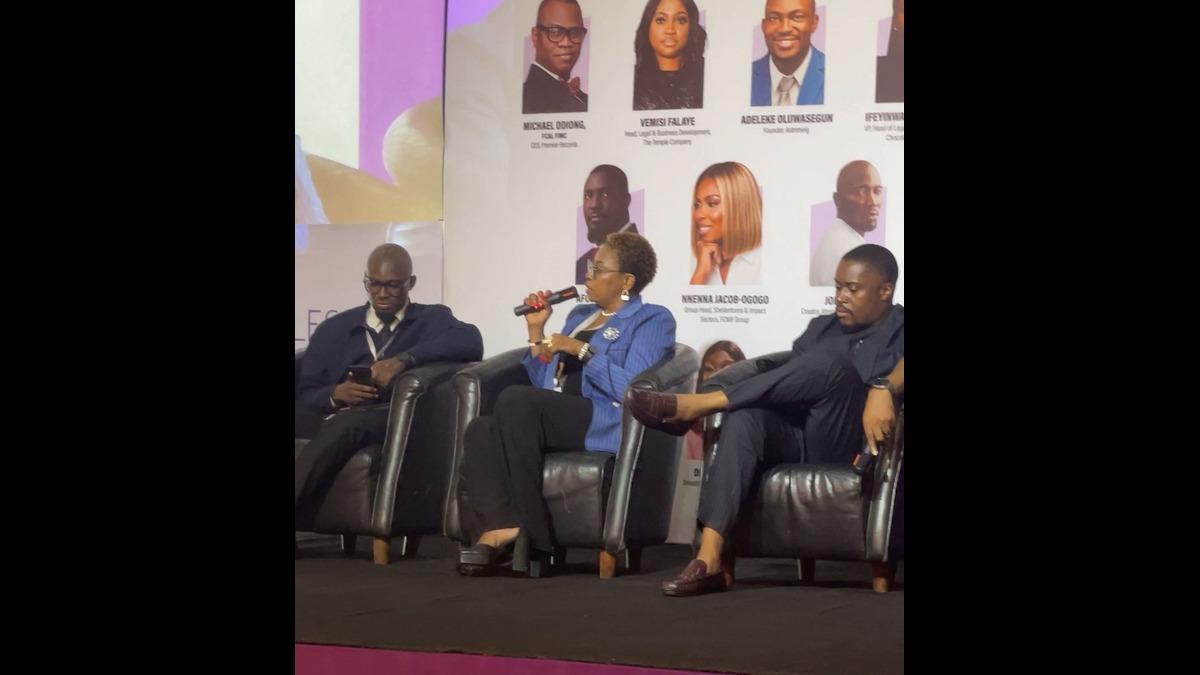
Data analytics, structured business models, robust financing frameworks, and stronger legal protections are essential to unlocking the full economic potential of Nigeria’s creative industry. Industry leaders emphasised these requirements at the BusinessDay Creative Entertainment Summit 2026, held under the theme ‘Ownership is the New Global: Monetising Afrobeats Power Through Equity, Transparency and Strategic Scale.’ The panel highlighted systemic challenges that currently prevent local creatives from transforming raw talent into sustainable, scalable enterprises.
For Afrobeats and Nigeria’s broader creative economy to achieve sustainable global scale, artistic talent must be matched with strict financial discipline, comprehensive intellectual property protection, and verifiable data infrastructure.
Astrotwig Founder Adeleke Oluwasegun stated that a lack of measurable data remains one of the primary obstacles facing Nigerian artists. Many creatives struggle to scale because song consumption metrics and audience growth are not systematically tracked, making it exceptionally difficult to determine market valuation and attract institutional investment.
“A lot of creatives in Nigeria need a data point. One of the biggest pitfalls of Nigerian artists is that their songs are not trackable. Technology can help build a data trail. We should be able to quantify data because in technology, data is everything,” Oluwasegun said.
FCMB Group Head of SheVentures and Impact Sectors Nnenna Jacob-Ogogo explained that commercial banks prioritize predictable cash flows over raw artistic potential. While financial institutions recognise the inherent value within the creative sector, banks require formalised corporate structures and verifiable revenue models before committing capital.
According to Jacob-Ogogo, FCMB is intentionally deepening its engagement with the creative sector by financing the broader supporting ecosystem rather than betting solely on individual talent. This approach aims to build the institutional backend necessary to de-risk and scale the entire industry.
Chocolate City Group CEO Abuchi Peter Ugwu urged creatives to focus on building long-term scalable businesses rather than relying solely on immediate artistic success. Sustainable growth within the music industry requires rigorous financial management, intentional audience cultivation, and corporate structures that guarantee consistent revenue pipelines.
Ugwu stressed that the sector requires strategic partnerships and national policies that explicitly recognise intellectual property as a bankable asset. He noted that music production requires heavy upfront capital investment before generating returns, making comprehensive artist development, brand equity, and structured monetisation frameworks essential for survival.
The Temple Company Head of Legal and Business Development Yemisi Falaye identified pervasive legal loopholes as a critical barrier to growth. Many creative enterprises collapse because initial agreements fail to clearly define recoupable expenses, intellectual property ownership, and revenue-sharing splits.
Furthermore, Falaye pointed out that many domestic record labels lack a sophisticated understanding of music publishing, which serves as the bedrock of long-term residual income. In contrast, global majors like Sony Music and Universal Music maintain entirely separate publishing divisions to aggressively protect and commercialise intellectual property rights. She advised creatives to embed legal counsel into their core management teams from the onset of their careers to ensure proper contractual coverage.