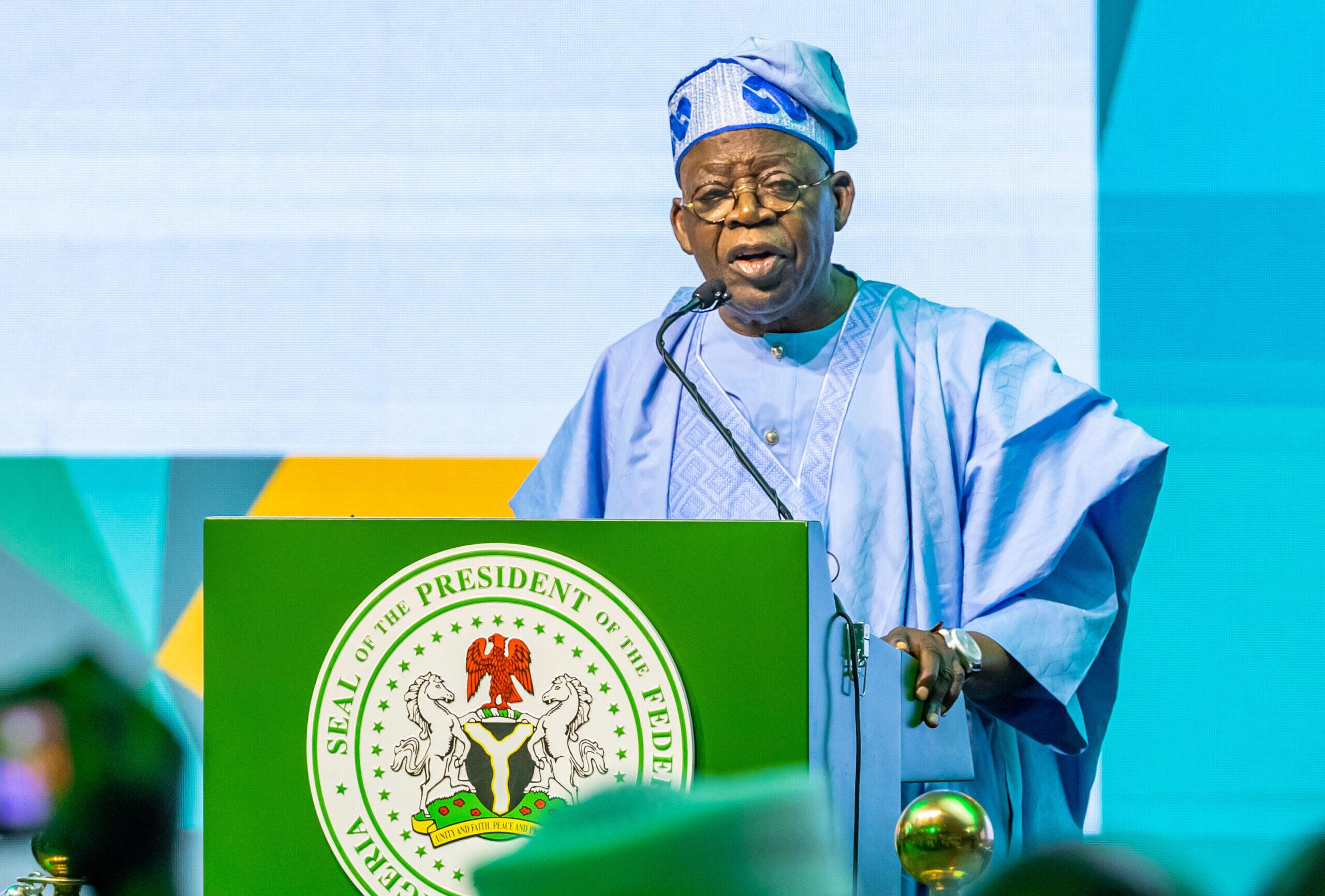
Nigeria has launched FreeTV, a national digital television platform that will provide households across the country with access to more than 100 television channels without monthly subscription fees.
- +Nigeria launches FreeTV with over 100 channels, no monthly subscription
The development was disclosed on Tuesday, June 16, 2026, by the Presidency ahead of the official launch of the platform scheduled for June 17 as part of Nigeria’s ongoing transition from analogue to digital broadcasting.
The development was disclosed on Tuesday, June 16, 2026, by the Presidency ahead of the official launch of the platform scheduled for June 17 as part of Nigeria’s ongoing transition from analogue to digital broadcasting.
According to the Presidency, the platform will offer Nigerians access to free digital television, clearer picture quality and a wider range of local content as the country accelerates efforts to expand digital broadcasting services nationwide.
The Presidency said FreeTV forms part of Nigeria’s Digital Switch-Over (DSO) programme, which is aimed at ensuring broad access to digital broadcasting services as the country completes its migration from analogue television.
Speaking ahead of the launch, the Director-General of the National Broadcasting Commission (NBC), Charles Ebuebu, said the initiative is intended to widen access to opportunities created by the digital economy.
Ebuebu added that the platform would benefit both television viewers and players across the creative industry by removing subscription barriers while creating new opportunities for local talent.
A key feature of the platform is its extensive content offering. Nigerians will be able to access more than 100 national, regional and state television channels covering news, sports, movies, music, children’s programmes, educational content and dedicated indigenous language channels in Yoruba, Hausa and Igbo.
The service will be delivered through multiple channels, including satellite transmission, terrestrial broadcasting and a dedicated mobile application, enabling access across urban centres, smaller towns and rural communities, including locations that were previously outside the coverage areas of earlier DSO pilot projects.
Beyond television access, the platform is expected to stimulate growth in Nigeria’s creative and broadcast industries through regional production hubs planned for Lagos, Abuja, Port Harcourt, Enugu, Kano and Benin. The facilities are expected to create opportunities for content creators, technicians, editors, camera operators, sound engineers and other media professionals.
Nigeria’s final transition away from analogue television remains targeted for completion by the end of 2028, with households expected to begin preparing by confirming decoder compatibility and adopting digital broadcasting services.
The transition could also unlock significant economic opportunities for broadcasters and content creators. The National Broadcasting Commission recently disclosed that the Digital Switch-Over programme is expected to open up Nigeria’s N605.2 billion advertising market, creating new revenue opportunities across the media and entertainment value chain.