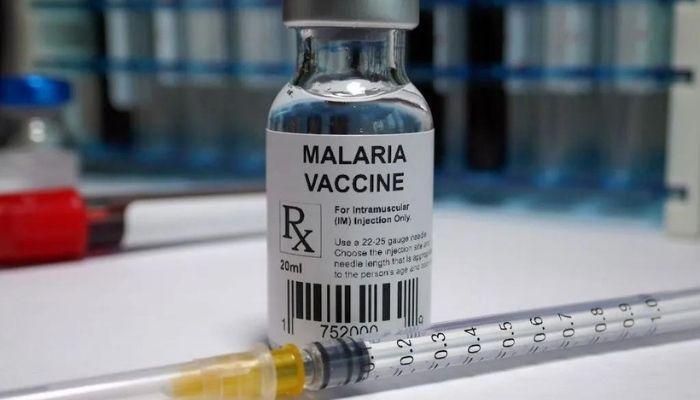
The federal government says 1,256,791 children have received the malaria vaccine across four states as the country works through challenges linked to the vaccine’s four-dose schedule.
- +Over 1.2m children have received malaria vaccine across four states, says FG
The federal Government, in October 2024 received the first batch of 864,200 doses of the R21/Matrix-M malaria vaccine from Gavi, the Vaccine Alliance.
The federal Government, in October 2024 received the first batch of 864,200 doses of the R21/Matrix-M malaria vaccine from Gavi, the Vaccine Alliance.
Muyi Aina, executive diretor/CEO of the National Primary Health Care Development Agency (NPHCDA) said the rollout targeting children aged 5 months to 15 months began in Bayelsa and Kebbi states, based on readiness assessments, disease burden and uptake capacity, before expanding to Bauchi and Ondo states.
Giving a breakdown during a press briefing in Abuja on Tuesday, the NPHCDA Boss said 984,559 children have been vaccinated in Kebbi and Bayelsa combined, 166,342 in Ondo, and 105,890 in Bauchi. The ED also said about 600,000 doses remain in storage.
He explained that unlike most routine vaccines, the malaria vaccine requires four doses for full effectiveness, a factor the agency is still adapting to. He said one of the key challenges has been ensuring that children return for all four doses, as dropouts often occur between stages.
“We are working through systems to learn how to successfully bring people back four times for the vaccine,” he said.
He said the figures reflect progress in the rollout but also highlight the operational challenge of sustaining compliance through multiple doses.
Aina also highlighted progress in other vaccination programmes, saying Nigeria’s human papillomavirus (HPV) vaccine rollout has protected about 16.7 million adolescent girls against cervical cancer.
According to him, improved immunisation coverage has contributed to fewer disease outbreaks, including diphtheria and mpox, adding that the health system has been better able to respond to such events.
On polio, he said Nigeria has recorded a 48% reduction in circulating variant poliovirus outbreaks between 2023 and 2025, describing it as evidence of progress in routine immunisation and outbreak response systems.