The Nigerian Communications Commission (NCC) has directed telecom operators to begin compensating subscribers for poor service, with payments expected to start immediately, as MTN Nigeria outlines an aggressive plan to fix network gaps and restore customer confidence.
- +NCC orders telcos to pay for poor service as MTN begins compensation
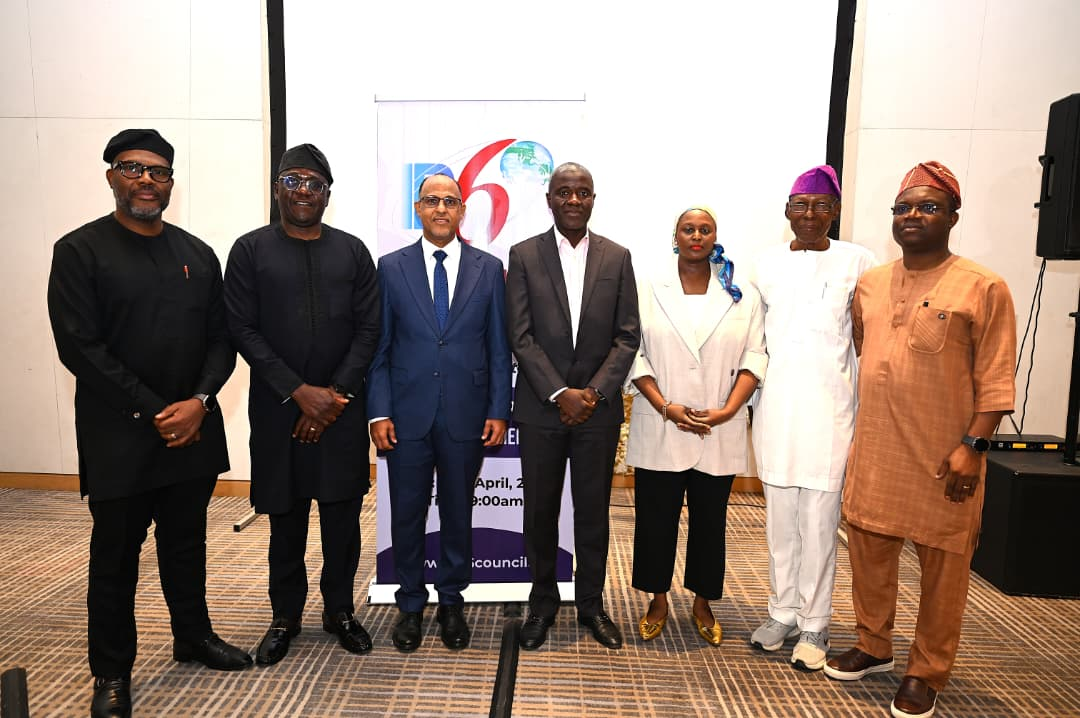
Aminu Maida, executive vice chairman of the NCC, at a breakfast meeting with technology correspondents on Thursday, in Lagos, said affected users would begin receiving airtime compensation today or tomorrow, covering service deficiencies recorded between November and January.
Aminu Maida, executive vice chairman of the NCC, at a breakfast meeting with technology correspondents on Thursday, in Lagos, said affected users would begin receiving airtime compensation today or tomorrow, covering service deficiencies recorded between November and January.
The directive marks one of the clearest signals yet that regulators are prepared to enforce consumer protection rules more strictly, following widespread complaints over deteriorating quality of service across Nigeria’s telecom networks.
MTN Nigeria, the country’s largest mobile operator with over 87 million subscribers, said it is fully complying with the directive and has begun processes to credit affected customers in impacted locations.
But beyond compliance, the company used the development to signal a broader operational reset, acknowledging that compensation alone will not address the underlying causes of poor service.
The telco said it is ramping up capital expenditure at scale, targeting critical upgrades across its network infrastructure to meet rising demand for data and voice services driven by Nigeria’s growing digital economy.
Central to this push is the accelerated deployment of next-generation network equipment aimed at increasing capacity, reducing congestion, and improving overall user experience, particularly in high-density urban areas where network pressure is most intense.
MTN also said it is investing in stronger network resilience, seeking to shield its infrastructure from frequent disruptions caused by fibre cuts, power instability, vandalism and other third-party risks that continue to impact service quality nationwide.
In a notable shift, the company emphasised deeper collaboration with tower infrastructure providers, signalling that improving service delivery will require tighter coordination across the telecom value chain. It said it is working with tower partners to ensure that base stations meet stricter performance benchmarks aligned with global standards.
The operator further highlighted that many of the challenges affecting service quality lie outside its direct control, pointing to ecosystem constraints such as unreliable power supply, right-of-way issues, and security threats to telecom infrastructure.
Despite these hurdles, MTN reiterated its long-term commitment to Nigeria, stating that sustained investment remains key to powering the country’s digital future and supporting millions of users who rely on mobile connectivity for business, education and financial services.
At the same time, the NCC moved to ease concerns over the ongoing dispute between telecom operators and the Federal Competition and Consumer Protection Commission (FCCPC), which recently led to the suspension of airtime and data credit services.
Maida said both regulators are working closely to resolve the issue, clarifying that while telecom operators are already licensed by the NCC, third-party firms offering credit services must obtain appropriate approvals from the FCCPC.
The suspension of these services had disrupted a widely used feature that allows subscribers to borrow airtime or data during emergencies, underlining the growing overlap between telecom services and financial technology offerings.
Analysts say the twin developments, enforced compensation and regulatory coordination on digital credit services, reflect a maturing telecom sector where consumer rights, service quality, and digital innovation are becoming more tightly regulated.
For MTN, the moment represents both a regulatory test and an opportunity: while the cost of compensation and infrastructure upgrades may weigh on margins in the short term, improved service quality could strengthen customer loyalty and sustain its market leadership in the long run.
As Nigeria pushes deeper into a digital-first economy, the stakes for telecom operators are rising and regulators are making it clear that performance, not just scale, will define the next phase of growth.