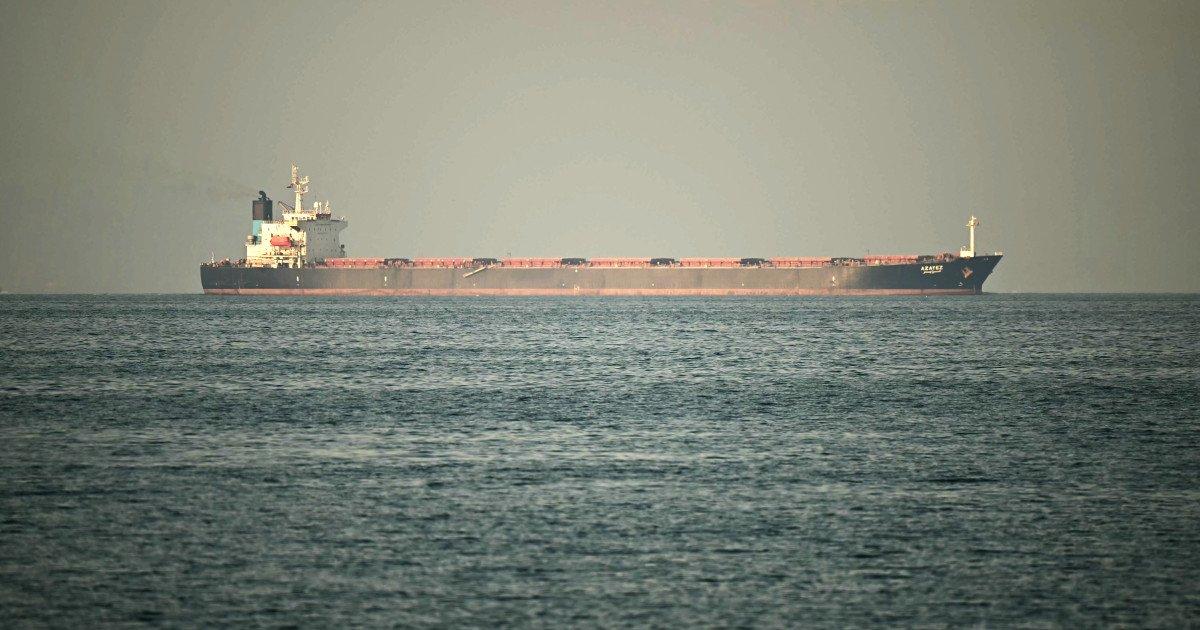
UAE secretly ships crude through Hormuz with trackers disabled as regional conflict disrupts global oil supplies.
- +UAE Quietly Moves Oil Tankers Through Hormuz Despite Iran Threats
The United Arab Emirates has been quietly moving oil tankers through the Strait of Hormuz despite threats of Iranian attacks, according to shipping data and industry sources.
The United Arab Emirates has been quietly moving oil tankers through the Strait of Hormuz despite threats of Iranian attacks, according to shipping data and industry sources.
Several tankers carrying crude from the UAE sailed through the strategic waterway with their tracking systems switched off, in what appears to be an attempt to avoid detection by Iranian forces during the continuing Middle East conflict.
The covert shipments highlight the growing pressure on Gulf producers to keep oil flowing as regional tensions disrupt global energy markets.
Sources familiar with the operations said at least four tankers loaded with millions of barrels of crude left terminals inside the Gulf in April.
The cargoes included Upper Zakum and Das crude exported by the Abu Dhabi National Oil Company, known as ADNOC.
Some of the oil was transferred between ships outside the strait before heading to refineries in Southeast Asia and South Korea, while other cargoes were moved into storage facilities in Oman.
Industry analysts say such ship-to-ship transfers allow exporters to split cargoes into smaller volumes while enabling large vessels to quickly return to the Gulf for additional loading.
The shipments come after Tehran effectively restricted passage through the Strait of Hormuz following the outbreak of the US-Israeli conflict with Iran earlier this year.
The disruption has trapped significant volumes of Gulf oil and pushed global crude prices above $100 per barrel.
The Strait of Hormuz remains one of the world’s most important oil chokepoints, carrying roughly a fifth of global oil and gas supplies.
Data from shipping intelligence firm Kpler showed the UAE’s oil exports have dropped sharply since the conflict began.
ADNOC is estimated to have reduced exports by more than one million barrels per day compared with previous levels.
One tanker, the Hafeet, reportedly loaded two million barrels of Upper Zakum crude before moving through the strait with tracking systems disabled.
The cargo was later transferred to another vessel, the Olympic Luck, which delivered the oil to a refinery in Malaysia jointly operated by Petronas and Saudi Aramco.
Other tankers carrying UAE crude were tracked heading towards South Korea.
The use of disabled transponders mirrors tactics often employed by Iran to evade sanctions on its own oil exports.
The approach makes it more difficult for commercial tracking systems to monitor the true scale of oil movements through the Gulf.
The risks involved were underlined this week after the UAE accused Iran of launching a drone attack on an empty ADNOC tanker travelling through the Strait of Hormuz.
Despite the dangers, sources said ADNOC plans to continue selling oil from terminals inside the Gulf and is in discussions with Asian buyers over future cargoes.