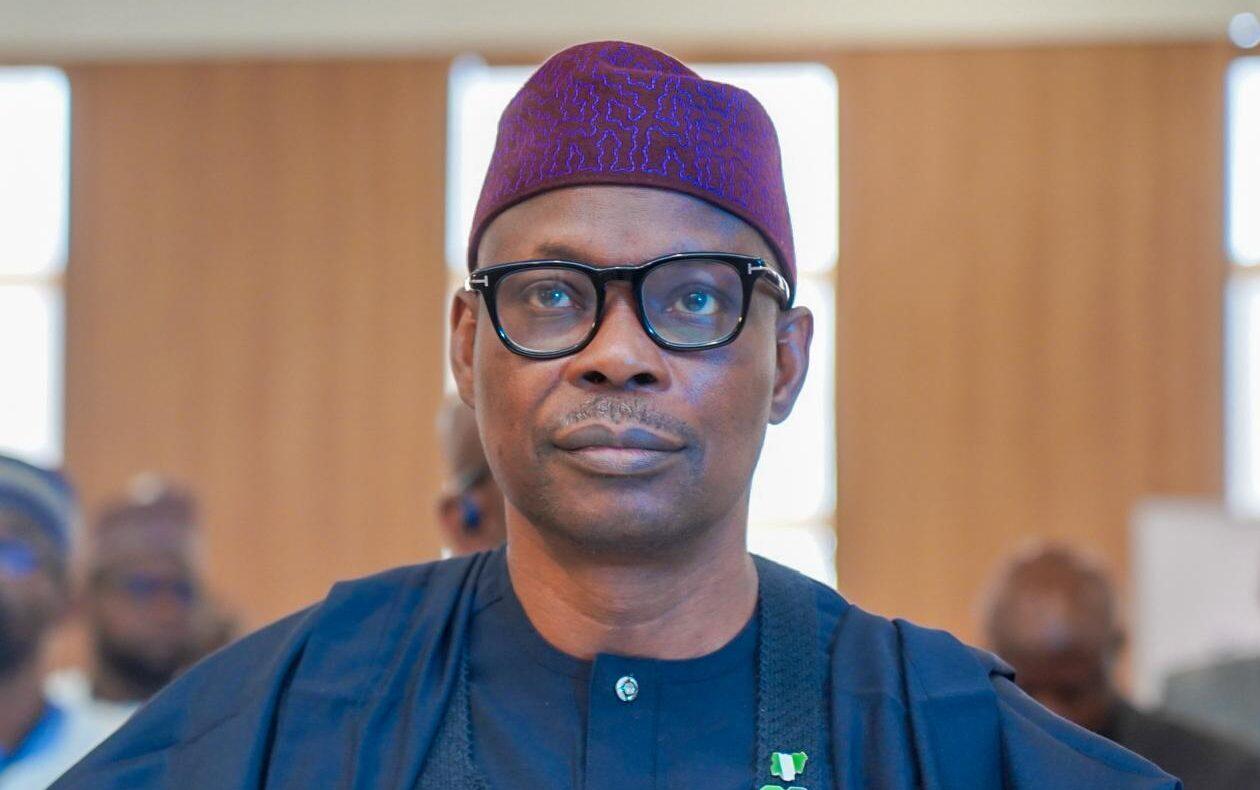
The federal government has launched a new Social Determinants of Health (SDoH) Fund for Cancer Patients, committing an initial N50 million to help vulnerable Nigerians overcome non-medical barriers that often prevent them from accessing or completing cancer treatment.
- +Federal govt launches fund to support cancer patients, pledges N50 million
The Minister of State for Health and Social Welfare, Iziaq Salako, announced the intervention on Wednesday during the official flag-off of the initiative in Abuja.
The Minister of State for Health and Social Welfare, Iziaq Salako, announced the intervention on Wednesday during the official flag-off of the initiative in Abuja.
According to him, the fund is designed to provide timely and equitable support for cancer patients facing challenges such as transportation costs, accommodation expenses, food insecurity and lack of social support.
Mr Salako said these challenges contribute significantly to delayed treatment, poor adherence to care and unfavourable health outcomes among cancer patients, particularly those from low-income and marginalised communities.
“Many cancer patients still find it difficult to initiate and complete treatment due to their inability to bear the cost of feeding, transportation and accommodation, especially in urban areas where services are provided,” he said.
Mr Salako disclosed that more than 600 cancer patients had already applied for support under the initiative, while over 200 applicants had been verified through a process involving medical directors and attending physicians at treatment centres.
He said all verified beneficiaries would receive at least N100,000 each to help offset some of the non-medical costs associated with their treatment.
“The disbursement will be done directly to verified beneficiaries to address some of the barriers to accessing cancer care,” he said.
Mr Salako added that the ministry’s N50 million contribution was intended to demonstrate government commitment and encourage broader support for the initiative.
Mr Salako said the fund emerged from recommendations made by the National Cancer Control Plan Technical Working Group (TWG), established following the launch of Nigeria’s National Cancer Control Plan 2026–2030.
He commended members of the group, led by Folakemi Odedina, global director of Oncology at the Mayo Clinic in the United States, for their commitment to advancing cancer care and making personal financial contributions to support the initiative.
According to him, the SDoH Fund complements existing government interventions, including the Cancer Health Fund, Cancer Access Partnership, Vulnerable Group Fund and the National Cancer Society Cancer Intervention Fund.
He said the initiative aligns with the ministry’s expanded mandate on social welfare and is expected to strengthen financial protection for vulnerable cancer patients.
Beyond government funding, Mr Salako said the initiative is expected to attract contributions from corporate organisations, philanthropists and private individuals.
He stressed the need for transparency and accountability in managing the fund to ensure that resources reach intended beneficiaries.
“This initiative is designed to expand opportunities to mobilise private funds to bridge gaps in patient treatment and complement government health budgets,” he said.
The launch of the fund coincides with the 2026 Cancer Survivors Month, observed globally every June to celebrate people living with and beyond cancer while drawing attention to the challenges they continue to face after diagnosis and treatment.
A key event during the month is National Cancer Survivors Day, which was marked this year on 7 June.
The observance highlights the resilience of cancer survivors and raises awareness about barriers to quality care, including financial hardship, access to treatment and psychosocial support.
The 2026 observance focused on celebrating life while advocating greater support for cancer survivors and patients navigating the disease.
Mr Salako said the timing of the initiative reflects the government’s solidarity with cancer survivors and its commitment to improving cancer care outcomes.
He commended cancer survivors across Nigeria for their advocacy and support for others living with the disease.
Mr Salako also reaffirmed the federal government’s commitment to expanding cancer prevention and control services, including free screening programmes, improved treatment infrastructure and subsidies for chemotherapy and radiotherapy.
According to him, the government is targeting a 50 per cent reduction in Nigeria’s cancer burden by 2030 through a combination of prevention, early detection and improved access to treatment.
“To fellow Nigerians battling cancer, I want to assure you that this administration of President Bola Ahmed Tinubu is committed to ensuring that a cancer diagnosis does not become a death sentence,” he said.
Cancer is a group of diseases characterised by the uncontrolled growth and spread of abnormal cells in the body. If not detected and treated early, it can spread to other organs and become life-threatening.
The disease remains a major public health challenge in Nigeria, where many patients are diagnosed at advanced stages due to low awareness, inadequate screening and limited access to specialised treatment services.
High out-of-pocket healthcare spending also means that many patients struggle to afford treatment, forcing some to delay or discontinue care.
In July 2025, PREMIUM TIMES reported that Nigeria records about 127,000 new cancer cases annually, resulting in roughly 80,000 deaths.
Health experts have repeatedly identified non-medical costs such as transportation, accommodation and feeding expenses as significant barriers to treatment adherence, particularly for patients who must travel long distances to access specialised cancer centres.