Africa’s strongest currency keeps July inflation stable despite global pressures
Zambia’s annual inflation held steady in July, remaining near the lower end of the central bank’s target range as a rally in the kwacha helped curb import costs despite mounting global energy price risks.
Zambia’s annual inflation held steady in July, remaining near the lower end of the central bank’s target range as a rally in the kwacha helped curb import costs despite mounting global energy price risks.
Consumer prices rose 6.5 percent year-on-year, unchanged from June, the Zambia Statistics Agency said on Thursday. The reading remained the lowest since February 2018 and comfortably within the Bank of Zambia’s six to eight percent target range.
The stable inflation outlook has been underpinned by the kwacha’s sharp appreciation this year. The currency has gained nearly 18 percent against the US dollar, buoyed by soaring copper prices, improved foreign exchange inflows, and government measures to promote the use of the local currency.
According to African Markets, the kwacha had strengthened by 14.9 percent against the dollar as of July 30, making it Africa’s best-performing currency this year, while Bloomberg data ranks it among the world’s top-performing currencies.
Inflation was also contained by the government’s decision earlier this month to extend a fuel tax moratorium until September 30, cushioning consumers against higher fuel costs as renewed tensions between the United States and Iran threatened to push up global oil and fertiliser prices.
Food inflation slowed to 6.4 percent in July from 6.7 percent a month earlier, while non-food inflation accelerated to 6.7 percent from 6.0 percent. On a monthly basis, consumer prices rose 0.2 percent, compared with a 0.1 percent increase in June.
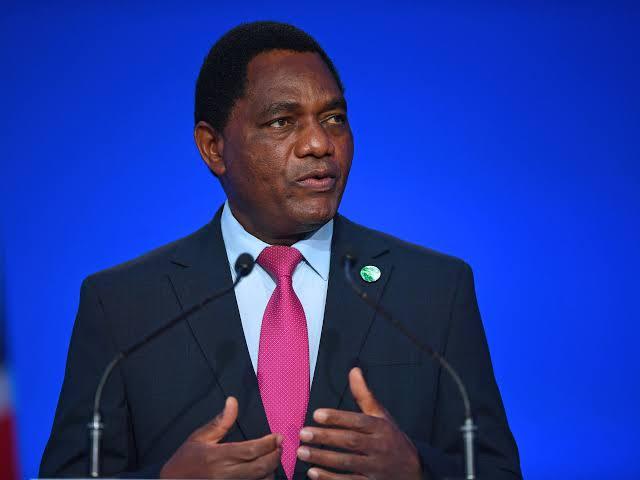
The combination of a stronger currency and subdued inflation could bolster President Hakainde Hichilema’s economic credentials ahead of the August 13 general election, in which he is seeking a second term.
Voters are likely to judge the government’s economic performance largely through the exchange rate and its ability to maintain currency stability, David Cowan, chief Africa economist at Citigroup, said.
A stronger kwacha has also helped lower the cost of imported goods, easing inflationary pressures in an import-dependent economy while reinforcing investor confidence in Zambia’s macroeconomic outlook.