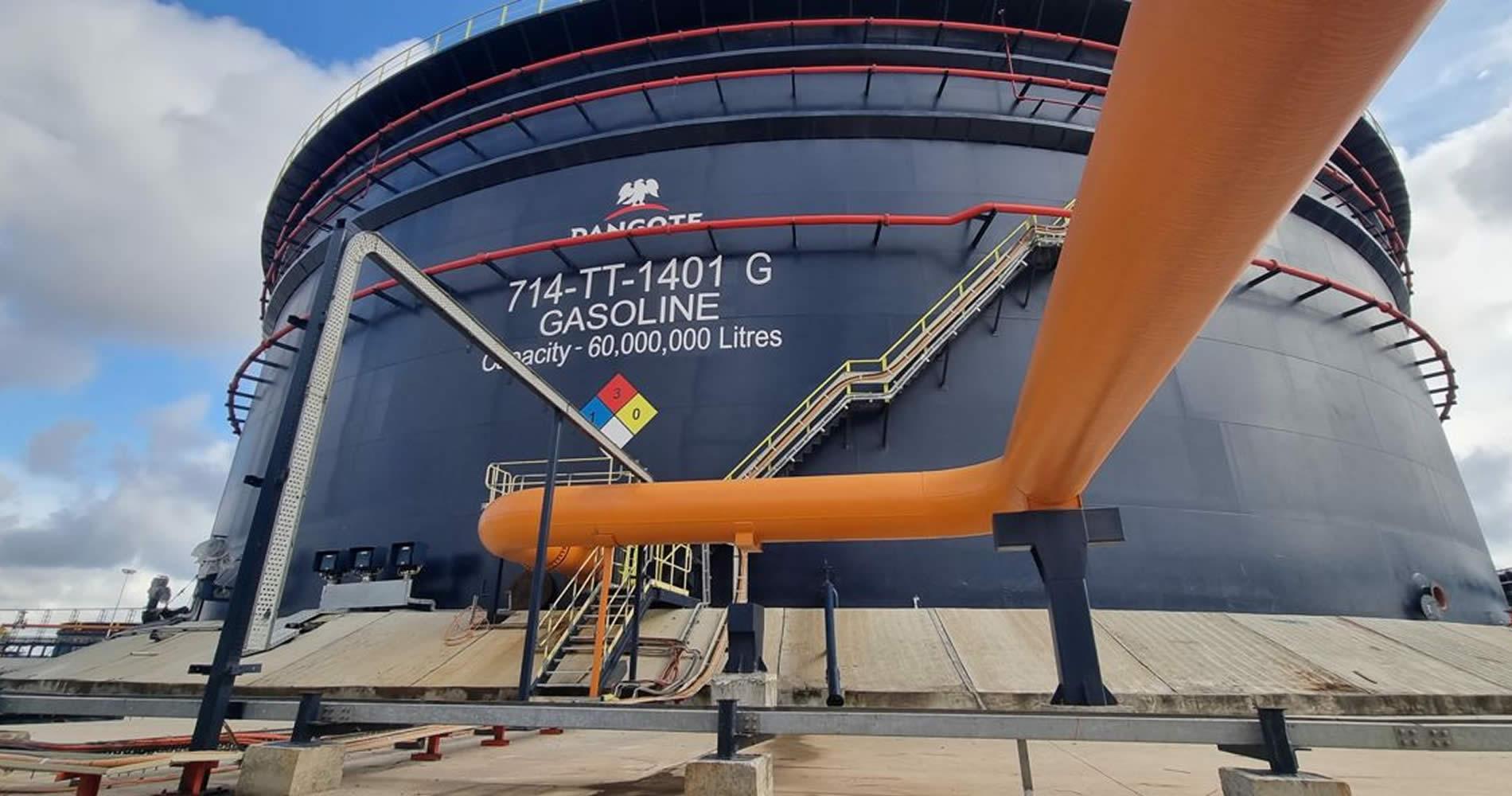
The Dangote Petroleum Refinery adjusted its Premium Motor Spirit (PMS) prices nine times in the first quarter of 2026, owing to growing tensions between the United States and Iran.
- +Dangote Refinery adjusts petrol nine times in Q1
A report from Petroleum Price Nigeria showed the 650,000 bpd refinery increased petrol prices six times and decreased prices three times, owing to crude oil movements, geopolitical disruptions, and domestic competitive pressures.
A report from Petroleum Price Nigeria showed the 650,000 bpd refinery increased petrol prices six times and decreased prices three times, owing to crude oil movements, geopolitical disruptions, and domestic competitive pressures.
According to data from Petroleum Price Nigeria, in January, petrol prices rose from an average of N699/litre to N799, an additional 14 percent hike in the period. This was largely driven by early signs of crude firming and tightening global supply expectations in the international market.
On February 10, prices dropped to N774/litre, down from N799, owing to a strategic adjustment, marking a shift from lifting bonuses to direct gantry price cuts to sustain market share, with Brent around the $70 range.
Findings show that petrol prices rose more than five times in March. In early March, petrol prices picked up again, rising to N874/litre amid escalating geopolitical tensions between the United States and Iran.
On March 9, the Dangote refinery increased petrol prices to N1,175/litre after Brent oil crossed $100 per barrel. This was mainly driven by supply disruptions and tensions around key oil routes, including the Strait of Hormuz.
Then prices fell to N1,075/litre, the second decline post-war. But on March 13, prices rebounded to N1,175 as crude regained strength around the $100 range amid persistent geopolitical uncertainty.
On March 21, the Dangote refinery petrol prices rose slightly to N1,275/litre, the highest rise in the quarter under review. This spike was driven by crude rally above $110 per barrel on heightened supply risks and Gulf tensions.
But prices eased again on March 26, settling at N1,200/litre currently, marking the final adjustments reflecting market correction and competitive depot pricing to sustain product offtake.
Analysts say the pattern highlights a pricing model anchored on crude oil volatility, crude supply glitches, and competitive downstream positioning.
“The refinery is not just reacting, it is actively shaping Nigeria’s deregulated petrol pricing framework, where speed, scale, and pricing agility define market leadership,” Petroleum price Nigeria noted in a report.
The report notes that with crude oil markets still volatile and geopolitical tensions unresolved, frequent petrol price adjustments are expected to continue, with gantry prices closely mirroring global oil trends and domestic supply-demand dynamics.