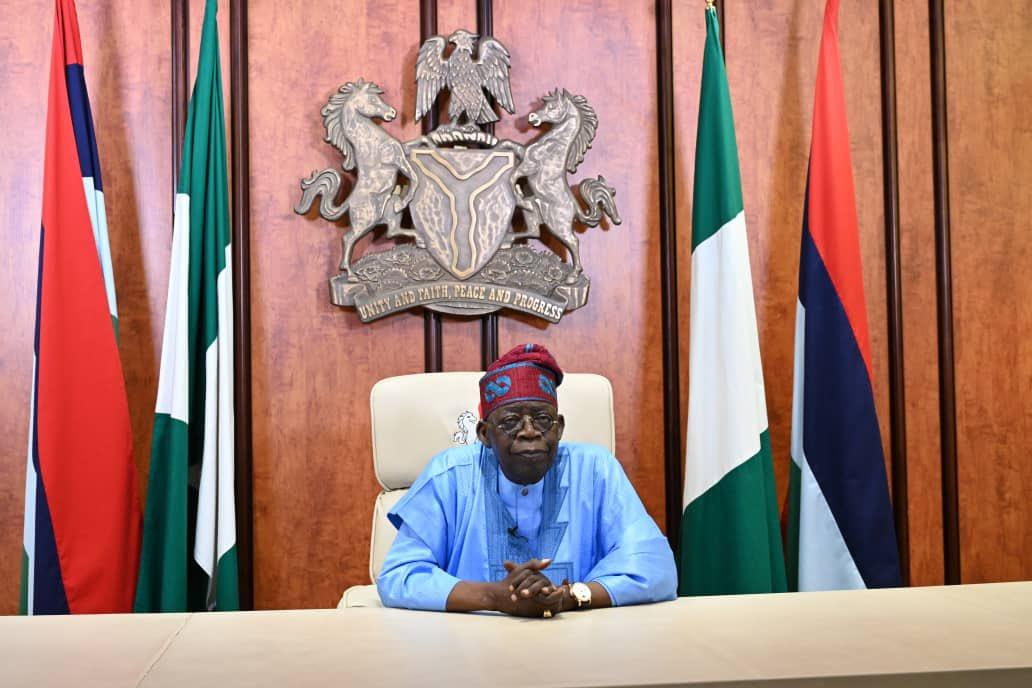
S&P Global Ratings has upgraded Nigeria’s long-term foreign and local currency credit ratings to ‘B’ from ‘B-’, citing President Bola Ahmed Tinubu’s economic reforms, improved foreign exchange liquidity, stronger fiscal revenues, and rising external reserves.
- +S&P upgrades Nigeria’s credit rating to ‘B’ on Tinubu reforms, FX gains
The global ratings agency also affirmed Nigeria’s short-term sovereign ratings at ‘B’, while raising the country’s national scale ratings to ‘ngA+/ngA-1’ from ‘ngBBB+/ngA-2’, with a stable outlook.
The global ratings agency also affirmed Nigeria’s short-term sovereign ratings at ‘B’, while raising the country’s national scale ratings to ‘ngA+/ngA-1’ from ‘ngBBB+/ngA-2’, with a stable outlook.
In a statement dated May 15, 2026 and sent to Nairametrics, S&P said the improvement in Nigeria’s credit profile reflects gains from three years of structural reforms under the Tinubu administration, particularly the liberalisation of the foreign exchange market.
S&P said Nigeria’s reform programme is beginning to strengthen macroeconomic stability and restore investor confidence.
The agency noted that Nigeria’s external reserves rose to $50 billion by March 2026 from about $33 billion in 2023, supported by stronger current account balances, lower import demand, fuel subsidy removal, and expanding domestic refining capacity.
S&P also highlighted improved FX market liquidity, stating that average monthly FX turnover rose to $8.6 billion in 2025, while April 2026 alone recorded about $10 billion in market supply.
The rating upgrade comes amid broader reforms aimed at stabilising Nigeria’s economy after years of exchange-rate distortions, rising fiscal deficits, and foreign exchange shortages.
S&P credited the Federal Government’s fiscal reforms, particularly Executive Order 9 signed in February 2026, which mandates the Nigerian National Petroleum Company Limited to remit a larger share of petroleum revenues directly into the Federation Account.
The agency projected that government revenue could rise to 12.4% of GDP in 2026 from 7.3% in 2023, while debt servicing pressures are also expected to moderate over the medium term.
In February, S&P Global Ratings reaffirmed Nigeria’s sovereign credit rating at B-, keeping a positive outlook that reflects cautious optimism about the country’s economic recovery and ongoing fiscal reforms.
The reaffirmation follows S&P’s November 2025 decision to upgrade Nigeria’s outlook from stable to positive while keeping the B-/B foreign and local currency ratings.
In October 2025, Fitch Ratings affirmed Nigeria’s Long-Term Foreign-Currency Issuer Default Rating (IDR) at ‘B’ with a Stable Outlook, citing improved foreign exchange liquidity and ongoing monetary and fiscal reforms.