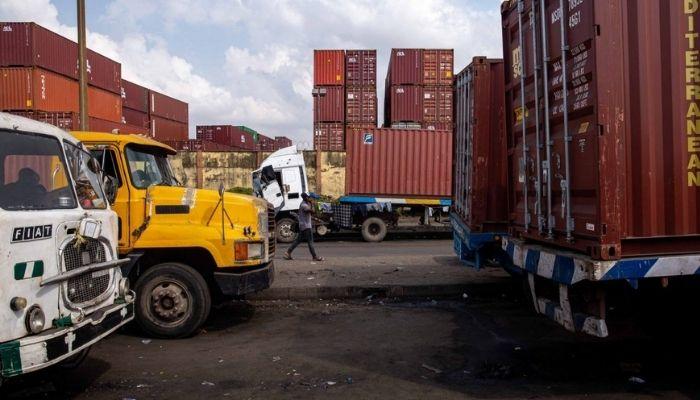
APM Terminals Apapa and the Nigerian Ports Authority (NPA) found three truck drivers operating under the influence of alcohol after conducting breathalyser tests on 30 truck drivers at the entrance of the Apapa port.
- +Three drunk truck drivers found at Apapa as terminal tightens safety controls
APM Terminals, Nigeria’s largest container terminal, began testing external truck drivers for drugs and alcohol, as substance abuse remains a persistent safety risk in port operations despite efforts to tighten safety standards.
APM Terminals, Nigeria’s largest container terminal, began testing external truck drivers for drugs and alcohol, as substance abuse remains a persistent safety risk in port operations despite efforts to tighten safety standards.
The terminal characterised the results as an improvement on previous screening rounds, but the tests reflect growing concern among port operators that external contractors, particularly truck drivers who move containers in and out of terminals, pose operational hazards when substance-impaired.
Recent incidents involving suspected drunk truck drivers, particularly around port areas and major transport spots in Nigeria, have resulted in serious injuries and safety alerts.
“We must be certain that individuals operating heavy-duty trucks are fully alert and in the right state of mind. Safety within the port environment depends on this,” said Adebowale Ibrahim, Apapa port manager.
He said regular testing will act as a strong deterrent and help reduce substance abuse among truck drivers. Kamal Alhraishat, managing director of APM Terminals Apapa, said the campaign extends safety measures “beyond our workforce to include external truck drivers.” The terminal said it logged 636 days without a Lost Time Injury, but accident prevention depends partly on the behaviour of contractors outside its direct control.
The testing was conducted with support from Port Police and Port Health Services. No details were provided on enforcement mechanisms or sanctions for drivers found to be impaired. The frequency and scale of future testing rounds remain unclear, as does whether the drug and alcohol screening programme will extend to other terminals across Lagos Port.