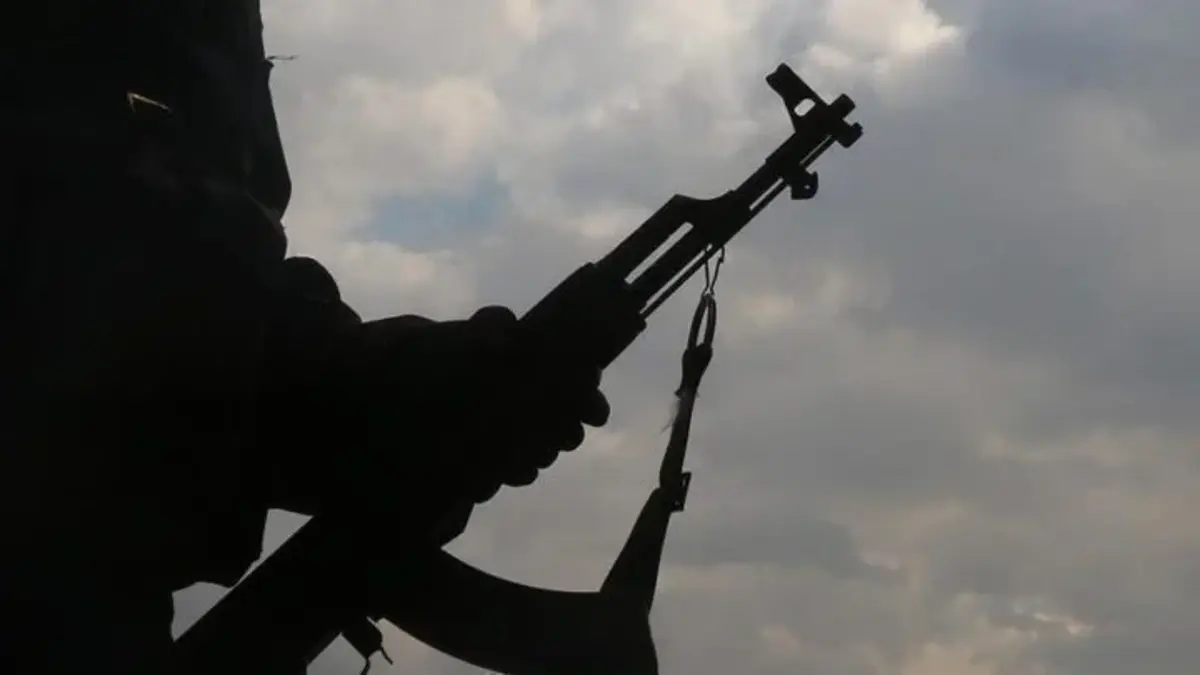
At least 1,932 people were killed across Borno, Adamawa and Yobe states between April and June 2026, as insecurity, attacks on humanitarian personnel, bureaucratic restrictions and harsh weather conditions continued to hamper aid operations in the North-East.
- +Insecurity:1,932 killed in Borno, Adamawa, Yobe in three months – Report
The figure was contained in the United Nations Office for the Coordination of Humanitarian Affairs’ (OCHA) 2026 Second Quarter Humanitarian Access Snapshot for the three states, compiled by the Humanitarian Access Working Group using data from the Armed Conflict Location and Event Data Project and the UN Mine Action Service.
The figure was contained in the United Nations Office for the Coordination of Humanitarian Affairs’ (OCHA) 2026 Second Quarter Humanitarian Access Snapshot for the three states, compiled by the Humanitarian Access Working Group using data from the Armed Conflict Location and Event Data Project and the UN Mine Action Service.
The report showed that while explosive ordnance incidents and related civilian casualties declined during the quarter, insecurity remained a major constraint on humanitarian access, with attacks forcing aid organisations to suspend or scale down operations in some locations.
OCHA recorded 60 explosive ordnance incidents across Borno, Adamawa and Yobe during the second quarter, down 10.5% from 67 incidents recorded during the same period in 2025.
Despite the decline, military operations triggered reprisals in several locations across Borno, Yobe and Adamawa, including areas housing civilians recently relocated from other communities.
The report said the high tempo of military operations and reduced civilian movement contributed to a narrowing of locations affected by IEDs during the quarter.
Health and nutrition partners suspended operations in Dapchi, Bursari Local Government Area, on April 4 following repeated attacks by non-state armed groups.
Similar attacks forced humanitarian partners to temporarily halt activities in Madagali and scale down operations in Chibok in early April.
The report also said 11 airstrikes were carried out in Borno during the quarter, with the most prominent hitting Jilli Market on April 12, while most other strikes were concentrated in the Sambisa Forest and Mandara Mountains.
Nigeria has seen a string of violent and high‑impact security incidents that have rocked the nation and drawn broad public concern. The most high‑profile incident was the mass abduction at St. Mary’s Catholic School in Papiri, Niger State, where armed gunmen kidnapped more than 300 students and 12 teachers in late November.
SBM warned that armed groups across Nigeria are adapting their operations and relocating to new areas as military pressure intensifies, contributing to a rise in kidnapping, mob justice, and illegal oil refining activities.
Nigeria’s kidnap-for-ransom crisis generated at least N2.57 billion for criminal groups between July 2024 and June 2025, according to a new report by SBM Intelligence.
SBM Intelligence recorded at least 4,722 abductions across 997 incidents during the period under review, with no fewer than 762 people killed.
In December 2025, NDC presidential candidate, Peter Obi criticised the federal government’s handling of insecurity in Nigeria, saying that they are either helping criminals or failing to do its job properly as insecurity continues to spiral across the country.
The humanitarian situation in the North-East therefore remains shaped by a combination of declining explosive-related incidents but persistent armed-group attacks, restrictions on humanitarian movement, displacement and difficult physical conditions.
As part of measures to address the growing insecurity in the nation, President Bola Tinubu recently increased the Nigeria Police Force recruitment exercise from 30,000 to 50,000, citing the emerging security challenges across the country.
In December, the Federal Government designated kidnappers and violent armed groups as terrorists, escalating Nigeria’s response to abductions, attacks on farmers and community violence.