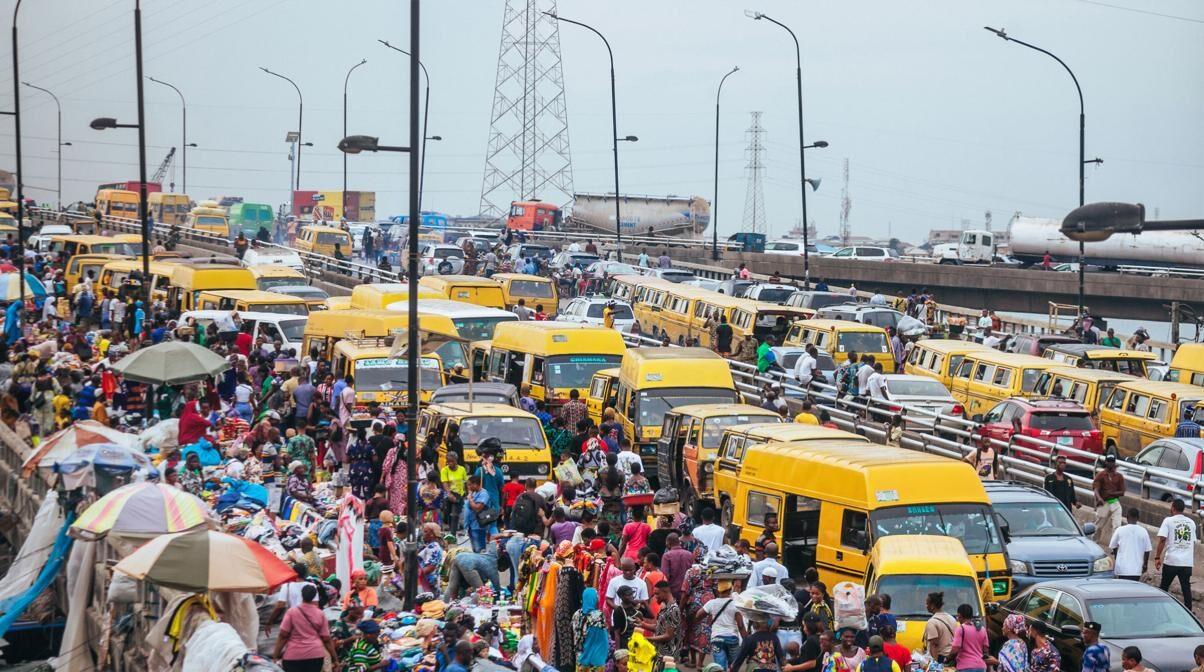
Many of the continent’s fastest-growing cities continue to attract people in large numbers, but the roads they depend on have not expanded at the same rate.
- +Top 10 African cities with highest traffic congestion, March 2026
- +Here are the top 10 African cities with the highest traffic congestion levels
The cost of this congestion goes far beyond lost time.
The cost of this congestion goes far beyond lost time. Hours spent in traffic translate into reduced economic output, increased fuel consumption, and rising levels of air pollution.
The result is a pattern where productivity is quietly drained before the workday even begins.
In some cities, commuters spend almost an hour on a single trip, a figure that compounds daily into weeks of lost productivity each year.
Despite these challenges, the congestion is not just a sign of pressure but growth, as these cities are expanding, attracting investment, and playing a bigger role in shaping regional economies.
This ranking is based on the latest figures from Numbeo’s Traffic Index as of March 2026.
The index evaluates congestion using a combination of factors, including average commute time, time wasted in traffic, inefficiency levels, and estimated CO₂ emissions.
These metrics provide a comparative snapshot of how severely traffic impacts daily life in major cities, offering a data-driven view of where congestion is most intense.
Here are the top 10 African cities with the highest traffic congestion levels
Port Elizabeth, officially known as Gqeberha, is located on the southeastern coast of South Africa in the Eastern Cape. It is a major port city and part of the Nelson Mandela Bay metro, with a population of about 1.3 million people when surrounding areas are included.
The city also records a CO₂ Emission Index of 6,398.2, meaning that time spent in traffic leads to higher fuel use and increased pollution.