NAFDAC, NOA, FCCPC Launch Nationwide Enforcement Campaign Against Sachet Alcohol
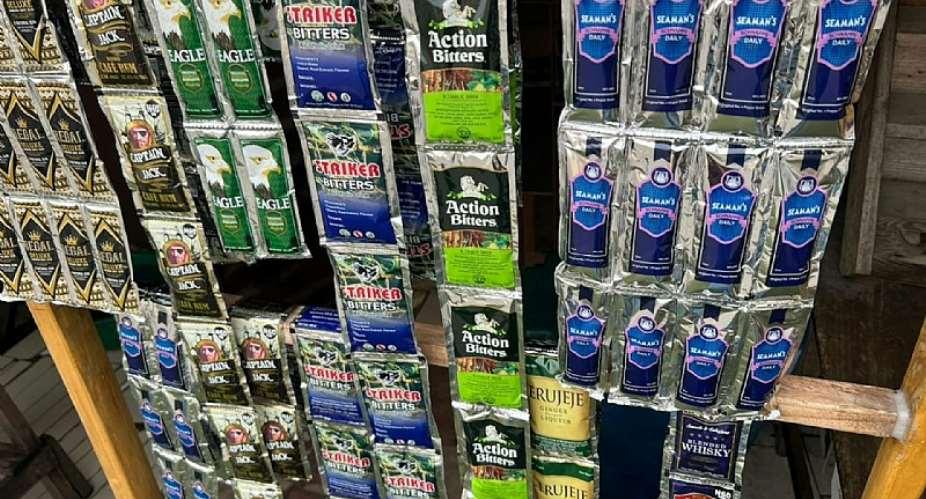
The National Agency for Food and Drug Administration and Control (NAFDAC) has joined forces with the National Orientation Agency (NOA) and the Federal Competition and Consumer Protection Commission (FCCPC) to implement a nationwide enforcement campaign against the sale and distribution of sachet alcohol and alcoholic beverages in bottles below 200 millilitres.
The National Agency for Food and Drug Administration and Control (NAFDAC) has joined forces with the National Orientation Agency (NOA) and the Federal Competition and Consumer Protection Commission (FCCPC) to implement a nationwide enforcement campaign against the sale and distribution of sachet alcohol and alcoholic beverages in bottles below 200 millilitres. This move comes on the heels of a directive by the Nigerian Senate in January, aimed at safeguarding public health and curbing underage drinking.
According to a press release signed by the Director-General of NAFDAC, Prof. Mojisola Adeyeye, the renewed enforcement drive is driven by the urgent need to shield Nigerian children from alcohol abuse. Speaking at a joint press briefing, Prof. Adeyeye emphasized that protecting children from harmful substances requires collective responsibility, and therefore, the agency is calling on parents, community leaders, retailers, and the public to comply with the ban.
The Director-General of NOA, Lanre Issa-Onilu, described the campaign as a preventive intervention aimed at reducing access to cheap, high-strength alcohol among vulnerable groups. He noted that the ban on sachet alcohol and small-bottle products is a crucial step towards safeguarding the health and well-being of Nigerian children.
The ban on sachet alcohol took effect in January, following a directive by the Nigerian Senate. Manufacturers were granted a five-year moratorium in 2018 to transition away from the production of sachet alcohol and small high-strength alcoholic beverages, following mounting public health concerns. However, with the current nationwide campaign, authorities are moving from the transition phase to full compliance enforcement, signaling stricter regulatory action.
Data from a 2021 nationwide survey on alcohol consumption patterns reveals alarming trends. The survey found that 54.3 per cent of minors were able to obtain alcohol independently, with many purchasing sachet and small-bottle products. Further analysis of the survey reveals widespread accessibility and frequent consumption across age groups, reinforcing regulatory concerns about the impact of cheap, small-packaged alcohol on young Nigerians.
The enforcement action is backed by the findings of the 2021 survey, which highlights the need for a collective effort to protect Nigerian children from the dangers of alcohol abuse. The joint campaign by NAFDAC, NOA, and FCCPC aims to ensure that retailers and manufacturers comply with the ban, and that parents and community leaders take responsibility for safeguarding the health and well-being of children.
As the nationwide enforcement campaign gets underway, Nigerians are advised to be vigilant and report any instances of sachet alcohol and small-bottle products being sold or distributed. The authorities have assured that stricter regulatory action will be taken against any violators, and that the public will be informed of any developments in the campaign.
The next phase of the campaign is expected to involve intensified monitoring and enforcement, with a focus on identifying and addressing the root causes of underage drinking. The authorities are also expected to engage with stakeholders, including manufacturers, retailers, and community leaders, to ensure that the ban is effectively implemented and that the health and well-being of Nigerian children are protected.
As the nation moves forward with this critical public health initiative, Nigerians are urged to take an active role in safeguarding the health and well-being of children. By working together, we can create a safer and healthier environment for all Nigerians.