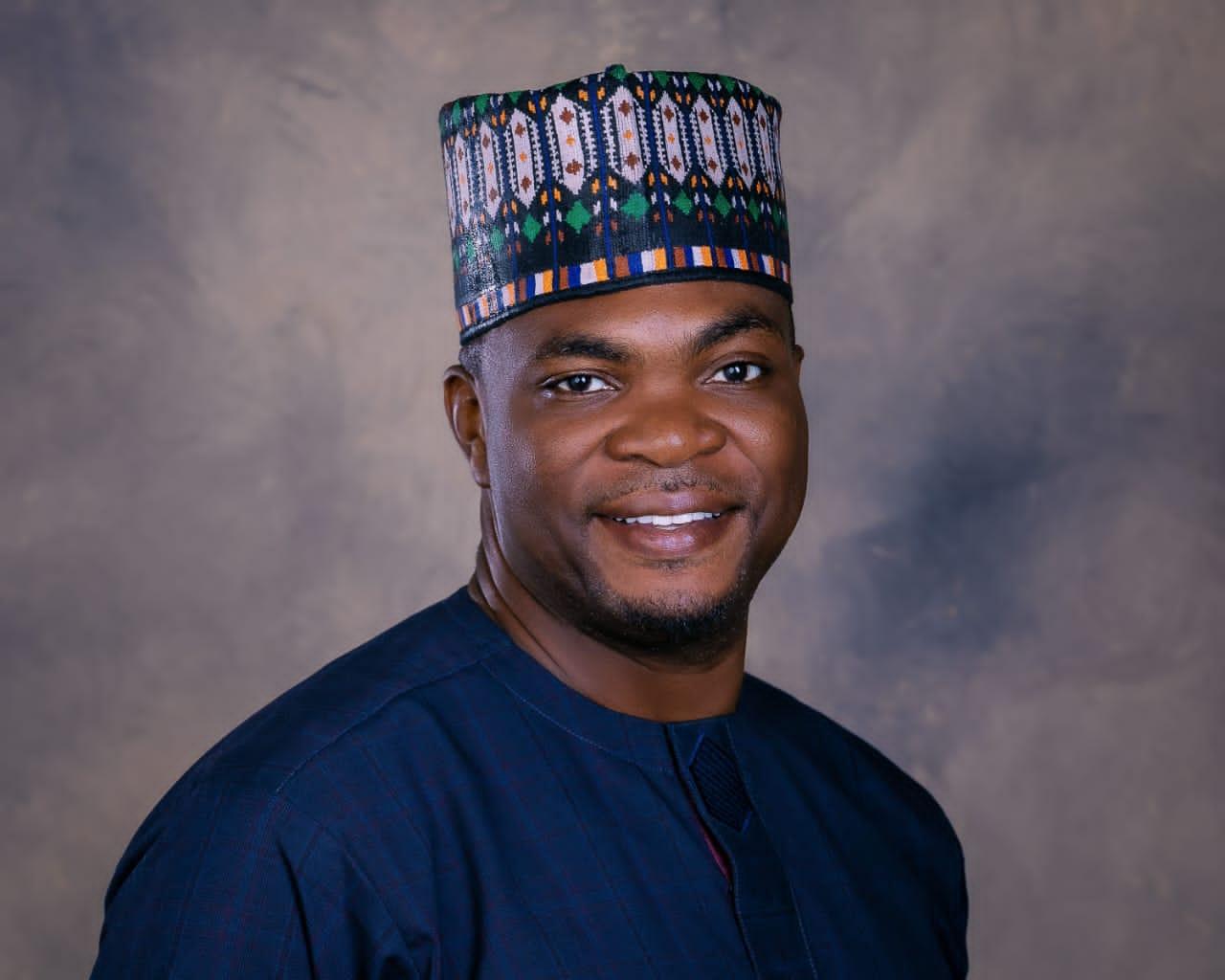
Dr. Ezekiel Adamu, Group CEO of Balmoral Group and promoter of Africa’s biggest boxing event, Chaos in the Ring, has outlined an ambitious vision to transform boxing into a major economic driver for Nigeria.
- +We’re transforming Nigerian boxing into a viable economic sector — Adamu
- +Do you see Lagos becoming Africa’s boxing hub in the coming years?
- +Africa has the talent but lacks the stage. How are you solving that?
- +What partnerships and investment opportunities are you looking to bring?
- +In a challenging economy, how do you sustain this vision?
In an exclusive interview with Anthony Nlebem, Dr.
In an exclusive interview with Anthony Nlebem, Dr. Adamu spoke on building a scalable sports-entertainment ecosystem, unlocking talent, and positioning Lagos as Africa’s boxing hub.
With a major event slated for May 1, 2026, he revealed that the vision for Chaos in the Ring extends far beyond the boxing rings, ranging from global streaming partnerships to long-term plans of creating a sustainable experiential economy platform.
Chaos in the Ring has generated massive attention in a short time. What are you building beyond matchdays?
What you are seeing now is just the visible layer of something much bigger. We are not building an event; we are building a platform.
We are bringing together sports, entertainment, media, and community in a structured environment. The goal is to create an ecosystem where talents are visible, brands can engage meaningfully with fans, and audiences enjoy high-value experiences both physically and digitally.
Once that platform is fully established, scaling across Africa will happen naturally.
The economic value goes far beyond entertainment. Each event activates multiple sectors: hospitality, aviation, logistics, media production, security, transportation, and digital distribution.
More importantly, it creates opportunities beyond athletes, for creatives, technical professionals, and the broader experiential economy.
Globally, this ecosystem drives tourism, creates jobs, and generates significant revenue. Our focus is to structure it properly so Nigeria can fully benefit from that value chain.
Fight weeks, for instance, attract international media, celebrities, and fighters with their teams and families. The real value lies in the overall experience Nigeria offers, not just the fights themselves.
Do you see Lagos becoming Africa’s boxing hub in the coming years?
From what we have already achieved, Lagos is naturally becoming the home of big-time boxing in Africa.
The scale of our events and the calibre of talent we have attracted are unmatched on the continent. While countries like Ghana have a stronger legacy in producing world champions, supported by infrastructure such as the Bukom Boxing Arena in Accra, Nigeria is rapidly catching up in terms of production, energy, and global appeal.
Boxing was largely a declining sport locally before we stepped in. But through high-level production and renewed energy, we are repositioning Lagos as the continent’s boxing hub.
Step by step, we are transforming boxing into a mainstream spectacle and a viable economic sector.
You have spoken about Africa having talent but lacking platforms. What does that gap look like, and how are you solving it?
Africa has never lacked talent, and Nigeria in particular. The real deficiency has always been structured platforms.
In the heavyweight category alone, nearly 70% of fighters have Nigerian heritage, even if they represent other countries. The missing link has been consistent, well-organised systems that connect talent to visibility, monetisation, and global relevance.
Many athletes of Nigerian descent thrive abroad because the infrastructure and pathways already exist.
What we are building is a sustainable platform that bridges that gap, linking raw talent with exposure, commercial value, and international opportunities.
We are also leveraging global distribution through platforms like DAZN while deploying digital engagement strategies to broaden reach. By integrating celebrities and influencers into the ecosystem, we are helping to reposition boxing as a mainstream sport and significantly expand its audience.
Once the right platform exists, talent will inevitably rise to meet it.
Africa has the talent but lacks the stage. How are you solving that?
Nigeria’s challenge has never been talent; it has been opportunity. Our approach is to build structured, scalable platforms that deliver consistency, organisation, and commercial viability. Through partnerships with global broadcasters, we are exporting African boxing talent to international audiences.
At the same time, we are deliberately driving mainstream appeal. Collaborations with social media cultural figures such as Portable and Carter Efe have already generated over 30 million impressions ahead of fight night. This strategy brings mass attention to the sport, allowing professional boxers to gain visibility and build followings.
The objective is clear: create an ecosystem where boxing is not a niche but a mainstream entertainment and economic asset.
What partnerships and investment opportunities are you looking to bring?
We are seeking partners who understand that this is larger than a single event.
This includes brands looking for meaningful audience engagement, institutions focused on economic and social impact, and investors who recognise the long-term upside in the experiential economy.
With a global broadcast deal already secured, early partners have a unique opportunity to grow alongside the platform as it scales across Africa.
In a challenging economy, how do you sustain this vision?
The most impactful organisations are often built during economic downturns; that is, when strategic opportunities emerge.
Our long-term ambition is to build a company capable of entering the public market. Specifically, we aim to establish the first experiential infrastructure platform listed on the Nigerian Stock Exchange, enabling broader wealth creation across the continent.
We also see significant potential in public-private partnerships (PPP). Across Africa, many stadiums have become underutilised liabilities. Our model is to take over such assets, inject investment, and transform them into fully functional monetisation engines.
How does Chaos in the Ring convert strong engagement and virality into a sustainable, scalable business model?
Right now, we are building attention, but behind that sits a robust monetisation framework designed for scale.
Our revenue channels include premium live event experiences, sponsorships, strategic partnerships, and digital distribution. Africa’s strong mobile consumption also presents significant upside, enabling us to monetise content beyond the physical arena.
This is how you transition from event promotion to a scalable business ecosystem, where content, audience engagement, and commercial partnerships converge. With consistency and quality delivery, fan engagement deepens, subscription models become viable, and brands gain measurable value through data-driven insights.
Ultimately, we are building an ecosystem where talent thrives, industries connect, and Nigeria positions itself as a key player in the global boxing economy.