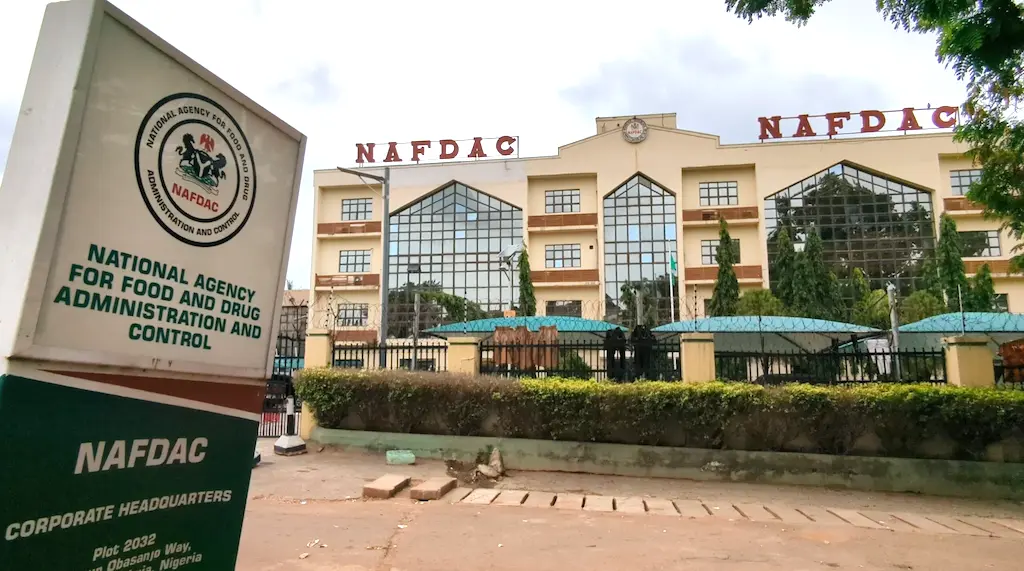
The National Agency for Food and Drug Administration and Control has stressed the urgent need for the rational use of medicines as a key strategy for improving patient safety and strengthening public health outcomes in Nigeria.
- +NAFDAC warns against drug misuse, self-medication
Speaking at a sensitisation programme held in Mushin, Lagos, on Wednesday, the Director of Pharmacovigilance at NAFDAC, Uchenna Elemuwa, who represented the Director-General, Prof.
Speaking at a sensitisation programme held in Mushin, Lagos, on Wednesday, the Director of Pharmacovigilance at NAFDAC, Uchenna Elemuwa, who represented the Director-General, Prof. Mojisola Adeyeye, warned that the misuse of medicines poses serious health risks.
He said, “Medicines save lives, reduce suffering, prevent complications, and improve quality of life. However, when medicines are misused, overused, underused, or improperly prescribed, they can become dangerous and even life-threatening.”
Elemuwa noted that irrational use of medicines remains a global public health challenge, citing practices such as self-medication, antibiotic abuse, incorrect dosing, and the use of counterfeit drugs as major concerns.
According to him, “These practices contribute significantly to treatment failure, adverse drug reactions, prolonged illness, increased healthcare costs, disability, and avoidable deaths.”
He further highlighted antimicrobial resistance as one of the gravest consequences of irrational medicine use.
“The misuse and overuse of antibiotics have accelerated the emergence of resistant microorganisms. This means infections that were once easily treatable are becoming increasingly difficult and expensive to manage,” he said.
The NAFDAC official emphasised the importance of pharmacovigilance, describing it as the science of detecting, assessing, and preventing adverse drug effects.
“No medicine is completely free from side effects. However, through effective pharmacovigilance systems, harmful reactions can be identified early and necessary actions taken to protect the public,” he added.
Elemuwa urged healthcare professionals and members of the public to actively report adverse drug reactions, noting that “a single adverse drug reaction report can save thousands of lives.”
He also called for collective responsibility among stakeholders, including doctors, pharmacists, nurses, and patients, in ensuring safe medicine use.
“Patient safety begins with the rational use of medicines. Medicines are meant to heal, not harm,” he stated.
In his remarks, the Executive Chairman of Mushin Local Government, Tunbosun Aruwe, said the programme was aimed at promoting medication safety and improving public health awareness at the community level.
“As medicines provide immense benefits, they may also cause harmful effects if not properly used or monitored. This is why pharmacovigilance is critical,” he said.
Aruwe commended NAFDAC for its efforts in safeguarding public health and pledged continued support for healthcare initiatives in the local government.
“Our administration remains committed to providing free medical outreach, building modern primary healthcare centres, and supporting programmes that enhance patient safety and community participation in healthcare,” he said.
He urged participants to share the knowledge gained with their communities, adding, “Let us all become ambassadors of safe medicine use. Together, we can build a healthier Mushin, a safer Lagos State, and a stronger Nigeria.”
The sensitisation programme brought together healthcare professionals, community leaders, and other stakeholders to promote awareness of safe medicine practices and strengthen pharmacovigilance systems in Nigeria.