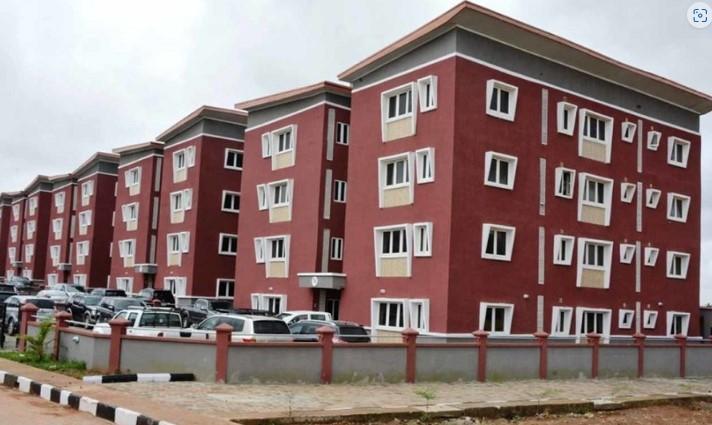
The Housing Development Advocacy Network (HDAN) has called on Nigeria’s legislature to enact stronger mortgage laws and housing finance guarantees to bridge the country’s housing deficit and improve access to affordable housing.
- +HDAN urges stronger mortgage laws to cut Nigeria’s housing deficit
The call was made in a statement issued in Abuja by the Executive Director of HDAN, Festus Adebayo, on Sunday.
The call was made in a statement issued in Abuja by the Executive Director of HDAN, Festus Adebayo, on Sunday.
The proposals formed part of wider legislative recommendations aimed at addressing structural gaps in Nigeria’s housing sector.
HDAN said Nigeria must prioritise legal reforms and guarantee systems to unlock mortgage financing and deepen access to housing credit.
The group stressed that without structural reforms, the housing deficit will continue to widen despite policy interventions.
HDAN added that predictable foreclosure processes and risk-sharing mechanisms are essential to strengthen lender confidence and expand mortgage penetration in Nigeria.
Beyond mortgage guarantees, HDAN is also advocating broader reforms to improve housing delivery and affordability across the value chain.
These measures, it said, would help reduce construction costs and expand access to housing for underserved populations.
The push for mortgage reform comes amid ongoing concerns about underfunding and structural inefficiencies in Nigeria’s housing finance system. The Federal Mortgage Bank of Nigeria (FMBN) has repeatedly highlighted significant undercapitalisation challenges limiting its ability to expand affordable housing finance.
The bank has also raised concerns over non-compliance by commercial banks and insurance companies with statutory contributions to the National Housing Fund, which has constrained funding availability for mortgage lending.
FMBN has since proposed alternative contribution models and is also pursuing recapitalisation efforts to strengthen its lending capacity, with targets reportedly in the hundreds of billions of naira.
Nigeria continues to face significant challenges in land documentation and housing data management, which directly affect mortgage expansion and property financing.
Experts say these reforms, if effectively implemented, could significantly strengthen housing finance systems by improving transparency, reducing disputes, and increasing the availability of bankable land assets for mortgage lending.