Nigerians are used to being in the dark. In over 60 years since the country gained independence, electricity from the grid has remained erratic, unstable, and unreliable.
- +How solar is paying off for energy-starved Nigerians
- +According to him, “The numbers work. They didn’t five years ago.”
The situation is so dire that even children know to shout “up NEPA” when their streets are given light, as if that would somehow soften the hearts of the distribution companies and make them supply light consistently.
The situation is so dire that even children know to shout “up NEPA” when their streets are given light, as if that would somehow soften the hearts of the distribution companies and make them supply light consistently.
While hope remains that someday every street in the country will be illuminated by grid power, Nigerians have moved on to solar power. They are done sleeping in the dark with hopes that the lights will come on.
This is why when the family of Ayobami Ayorinde, an Ibadan-based professional, disconnected from the grid to solar, he was relieved. The pivot meant more stable light, comfort, and ease in everyday life.
“The switch to solar has made life comfortable for us. There is always light. My parents can conveniently work from home without fear of electricity disruption,” he said in a telephone interview.
Nigeria’s solar boom accelerated rapidly between 2024 and 2026, driven by high diesel costs, grid failures, and increased investment in off-grid projects. Although solar adoption began around in 2018, however by 2024, solar panels import had grown by roughly 94 percent.
The shift was driven by a combination of economic and technology costs and it is reshaping one of the biggest industries in Africa’s most populous nation’s economy.
For families like the Ayorinde’s, solar offers more than just comfort. It provides hope for what Nigeria could become when policies work and investment are adequately managed.
“Solar offers more consistent light than depending on the grid. It basically gives us some form of succour,” Ayorinde explained to BusinessDay.
Solar power means children can study after dark, small businesses can stay open longer, and families can escape the choking fumes of generators.
Nigeria imported over four million solar panels in 2023, valued at more than $200 million. Analysts said the solar boom is a result of decades of poor electricity distribution by the DisCos.
Adaeze Ike, head of commercial energy at Voltara Energy Partners, said due to affordability of solar panels and improved battery technology, station owners are finally doing the maths correctly.
According to him, “The numbers work. They didn’t five years ago.”
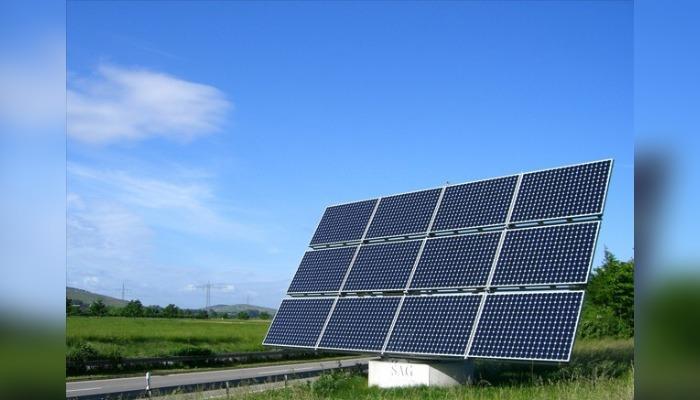
Across the country, a solar panel can be found in roofs. From the bustling streets of Lagos to the rural communities in Cross River, solar energy has become the quiet hero of Nigerians lives.
“Solar is the major source of light in Cross River. You can find it in almost every home,” said Louis Agbor, a Cross River-based teacher.
About one-third of Nigerians still lack access to electricity, and for those connected to the grid, frequent blackouts remain a frustrating reality.
In other parts of the world, off-grid solar technologies have emerged as a beacon of hope, powering millions of homes that national grids cannot reach or have consistently not served.
Solar home systems and lamps are transforming lives — lighting homes, charging phones, and enabling children to study after sunset.
Whether the grid comes off or on is no longer the concern of Chuka, a civil servant in Lagos. The instability of the grid forced him to completely pivot to solar power.
“The decision to fully solar power my house is one of the best decisions I have made,” he said. “My life has become easier and more comfortable. I no longer depend on light from the grid. My house always has light.”