The world over, there are few sentiments more angsty (antsy, even) than the chuntering, in liberal circles, over the recent rapid erosion (and impending failure) of the post-1945 international order. Forthcoming chaos is the medium-term outlook. According to this reading of events, the components of the muddle to come are a new multipolar world (in which multilateral impulses will be all but extinguished) along with the re-emergence (as in the period just before World War I) of the notion that “might is right”. From Russia versus Ukraine, through Israel against Hamas, to the possibility of China’s declaration of hostilities against Taiwan, the sense of a breach of norms of international civility is as pervasive as it is portentous. While the demise of the Soviet Union a few years back was a major source of worry, to the extent that it removed a key strut of what was then a bi-polar world (NATO versus the Warsaw Pact), China’s emergence in the last four decades has been far more alarming.
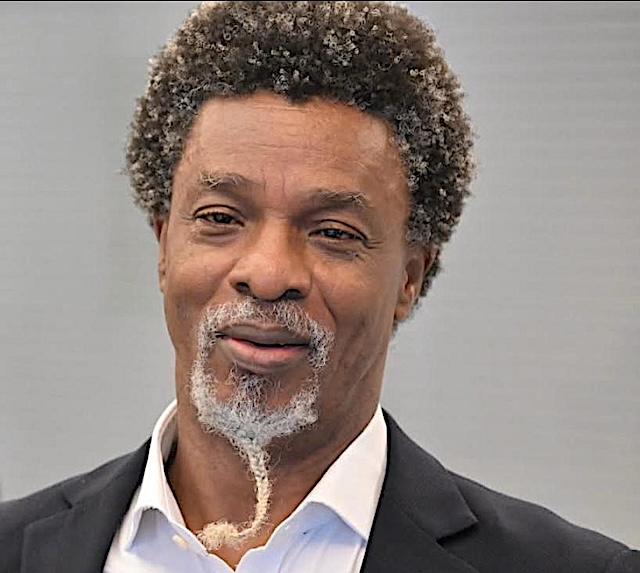
- +Fixing the international global order, By Uddin Ifeanyi
In the old USSR, Russia and its satellites states bristled with large gunrooms and armies, but they still accepted the odd gift of grains from the West.
In the old USSR, Russia and its satellites states bristled with large gunrooms and armies, but they still accepted the odd gift of grains from the West. China’s challenge, on the other hand, is as economic as it is increasingly military. Add to this the aspirations of apprentice middle powers – from Turkey, through South Korea and the United Arab Emirates, to India – and the resulting brew might, indeed, be as ignitable as the doom-mongers fear. And all of this before you include the new flightiness of U.S. policymaking.
You would not tell from the American attitude to the current international order that none of this could have come about without extensive diplomatic activity from Washington. Yet, the fact that President Donald John Trump treats institutions like the United Nations (UN), World Health Organisation, World Trade Organisation, etc. as if they are alien imposts does not quite justify the sense that he is to be held singularly responsible for their growing irrelevance.
The 70 years following the last world war have been without question, some of the most productive in our species’ history. Major wars (in Europe, at least, and barring the many low-intensity proxy wars fought in Africa) between countries looked like becoming outdated – that is until Russia decided to invade Ukraine 3 years ago. Advances in science and technology drove economic growth and unprecedented improvement in the welfare of people across the world.
Long before Mr. Trump, however, this order had started to show its age. In the last thirty years, the UN, for instance, has been at the receiving end of governance reform proposals aimed at improving its diplomacy, peacekeeping, post-conflict peacebuilding, and management and accountability. But by far the biggest recognition of its growing irrelevance has been the move to expand the UN Security Council (UNSC) to reflect modern geopolitical realities. Groups of countries such as the G4 (Germany, Japan, India, Brazil) have proposed two models for this: addition of six new non-veto wielding permanent members, or of renewable long-term seats. The African Union (AU), tired of being on the UNSC’s menu (and as the locus of much of the hostilities in the world over the last 60 years) sought to democratise the global conflict resolution process by seeking seats at the UN’s table. The AU adopted the Ezulwini Consensus in 2005 to address the continent’s under-representation on the UNSC, demanding at least two permanent African seats with veto power, and five non-permanent other seats.
Clearly, this world order has long needed repair. Not because it is broken. But more because it is past its sell-by date. The questions around sovereignty remain. I agree that sovereignty is a responsibility. One that falls to a geographic area generally acknowledged as a state, including its flag, currency, and army. All of this establish a state’s right to control its territory and people, along with an inalienable duty to protect its people and govern its territory responsibly. The questions over the need for an international body to act when states fail to prevent genocide, war crimes, ethnic cleansing, or crimes against humanity similarly remain unresolved.
However, it would simply confound the many follies of this new age were one to ignore the fact that the portmanteau of states and the power relationships between them, which lent the post-1945 world order its legitimacy no longer exists. The failing of the Trump administration in the US is to have abandoned responsibility for the design of a replacement for a clearly jaded world order. But perhaps, even the U.S. itself, is past its sell-by date. Nonetheless there is no excuse lamer than the U.S.’s impotence for the rest of us not to try to make the next century better than the last one.