When PalmPay launched in 2019, it entered a crowded financial space already dominated by traditional banks, emerging fintech startups, and a strong cash-based culture.
- +How PalmPay embedded itself in daily transactions of 35m Nigerians
Six years later, the company says it has grown to over 35 million users.
Six years later, the company says it has grown to over 35 million users. But in Nigeria’s fast-changing digital finance sector, large user numbers alone do not tell the full story. The bigger question is how a platform becomes part of people’s everyday financial life.
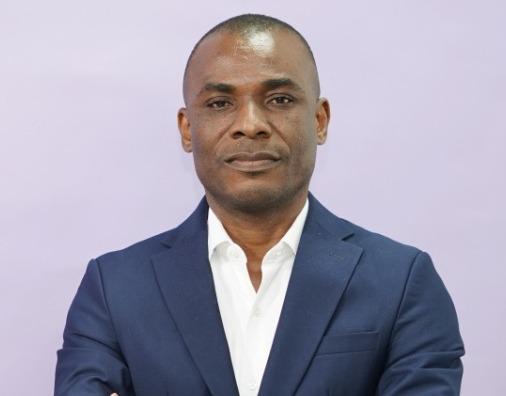
Chika Nwosu, the managing director/CEO of PalmPay Nigeria told BusinessDay that PalmPay’s journey reflects a wider shift in the industry, from simply attracting users to becoming a reliable tool for daily transactions.
A key step in this evolution is infrastructure integration. The platform’s participation in the Nigeria Inter-Bank Settlement System, including completing a live transaction on the National Payment Stack, positions it within the core system that connects banks, fintechs, and other financial service providers.
“At this level, success depends less on unique features and more on stability, ensuring transactions go through quickly, systems stay online, and services work seamlessly across networks,” Nwosu stated.
However, being part of the financial system does not automatically mean reaching everyone.
According to data from Enhancing Financial Innovation and Access, many Nigerians, especially in rural areas, remain outside the formal financial system. This gap has pushed fintech companies to focus not just on technology, but also on how services are delivered.
PalmPay’s growing agent network reflects this approach. “By providing physical locations where users can deposit, withdraw, and transfer money, these agents help connect cash-based communities to digital platforms. This mix of human support and digital tools has become a common model across Nigeria’s fintech space,” the CEO affirmed.
Security is another critical factor. As more people rely on digital payments, platforms are expected to protect users through features like biometric login, transaction alerts, and fraud monitoring systems. In today’s market, these are no longer optional extras but basic requirements for building trust, Nwosu added.
Beyond payments, some fintech platforms are also investing in financial education. Initiatives aimed at small businesses, women entrepreneurs, and first-time users show that access alone is not enough, people also need the knowledge to use financial tools effectively.
Taken together, these trends highlight a deeper change in Nigeria’s financial services landscape. Growth is no longer just about how many users a platform has, but how often and how well those users rely on it in their daily lives.
PalmPay’s expansion offers a clear example of this shift, from a payment app to a platform increasingly woven into how millions of Nigerians send, receive, and manage money.