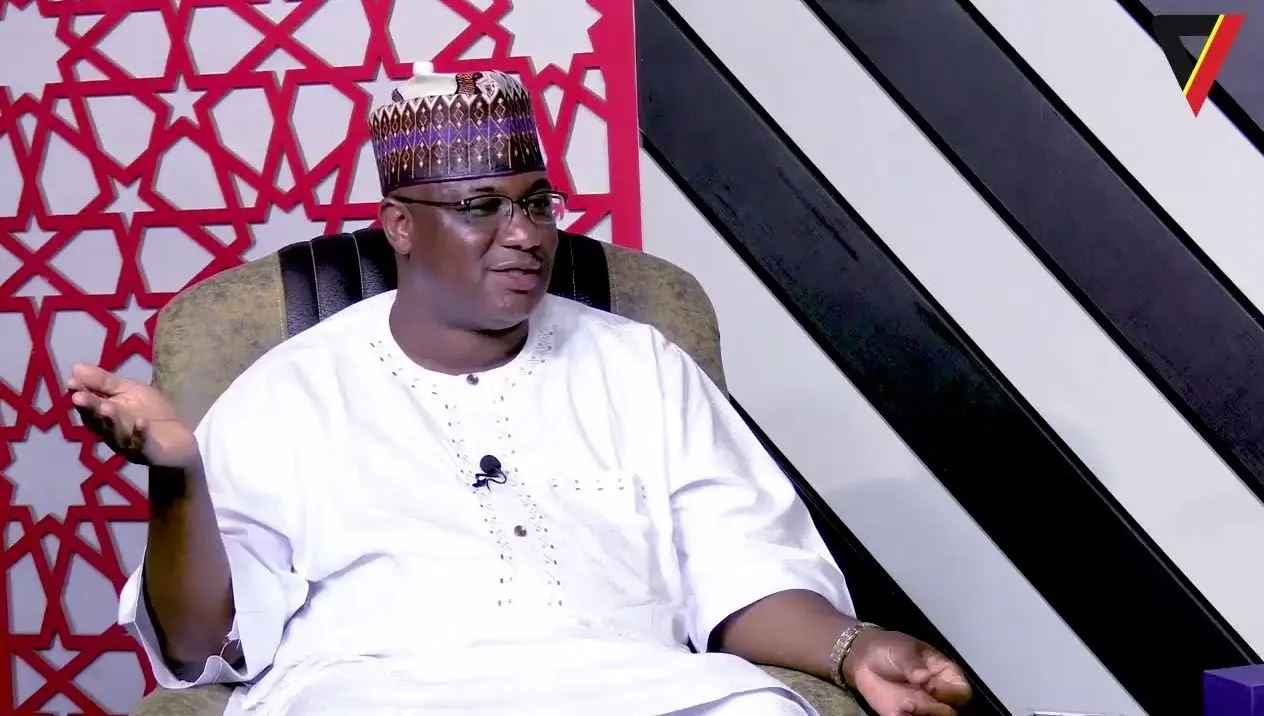
Nigeria’s fight against inflation could face renewed setbacks if fiscal spending remains unchecked, particularly during politically sensitive periods, a member of the Central Bank of Nigeria’s Monetary Policy Committee, Professor Murtala Sabo Sagagi, has warned.
- +CBN MPC member warns unchecked fiscal spending could derail inflation fight
Sagagi made the remarks in his personal statement following the 304th Monetary Policy Committee meeting held in February, where policymakers reviewed domestic inflation trends, monetary tightening measures, and broader macroeconomic conditions.
Sagagi made the remarks in his personal statement following the 304th Monetary Policy Committee meeting held in February, where policymakers reviewed domestic inflation trends, monetary tightening measures, and broader macroeconomic conditions.
His comments come as Nigeria continues efforts to stabilise prices, manage exchange rate pressures, and sustain recent disinflation gains amid persistent economic challenges.
Sagagi warned that stronger coordination between fiscal and monetary authorities is necessary to sustain recent progress in slowing inflationary pressures.
He also stressed that insecurity and structural weaknesses in agriculture continue to pose significant risks to price stability and economic recovery.
CBN has maintained a tight monetary policy stance over the past year as the apex bank attempts to curb inflation and stabilise the economy following subsidy reforms, exchange rate volatility, and rising food prices.
Sagagi noted that despite signs that inflationary pressures may be moderating, the gains remain fragile due to underlying structural constraints across the economy.
Sagagi further called for stronger financial oversight of security agencies to ensure resources are efficiently utilised in addressing insecurity and improving operational effectiveness.
The CBN reduced the Monetary Policy Rate (MPR) by 50 basis points to 26.5% from 27% at its 304th MPC meeting in February.
The MPC said the decision to cut the benchmark rate was driven by sustained improvements in key macroeconomic indicators, particularly inflation.
National Bureau of Statistics (NBS) reported that Nigeria’s headline inflation rate increased to 15.38% in March 2026, up from 15.06% recorded in February.
The latest remarks highlight growing concerns within the Monetary Policy Committee that monetary tightening alone may not be sufficient to stabilise prices unless supported by fiscal discipline and broader structural reforms.