WORLD IN BRIEF: Trump pauses Iran war, UK bars Kanye West, Madagascar declares energy emergency and other stories
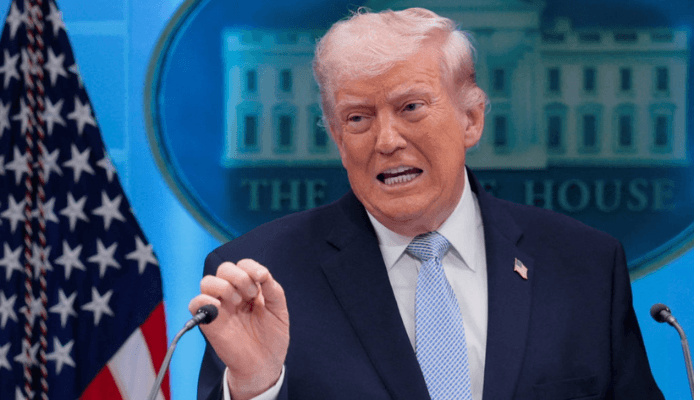
Donald Trump, US President has announced a two-week suspension of planned military strikes on Iran, following last-minute mediation led by Pakistan.
Donald Trump, US President has announced a two-week suspension of planned military strikes on Iran, following last-minute mediation led by Pakistan.
The pause is conditional on Tehran reopening the Strait of Hormuz, a vital shipping route through which roughly a fifth of global energy supplies typically pass. Trump had earlier warned of catastrophic consequences if Iran failed to comply, but reversed course hours before a planned escalation.
The conflict has already resulted in thousands of deaths across Iran and the wider region, while the blockade of Hormuz has disrupted global energy markets and intensified economic pressures worldwide.
London’s Wireless Festival has been cancelled after Kanye West was denied entry into the UK amid backlash over his past antisemitic and extremist remarks.
The government’s decision followed mounting political and public pressure, with critics arguing that allowing the artist to headline a major event would be inappropriate. Festival organisers confirmed refunds for ticket holders, acknowledging the wider impact of the controversy and the sensitivities involved.
The case underscores growing scrutiny over public figures and the boundaries of free expression in cultural events.
International criticism has mounted after Trump warned that Iran’s “civilisation” could be destroyed if it failed to meet US demands.
António Guterres expressed deep concern over rhetoric suggesting civilian populations could bear the cost of military decisions, while Pope Leo XIV described such threats as unacceptable.
The remarks have heightened tensions already fuelled by intensifying strikes and counterattacks.
Russia and China have vetoed a UN Security Council resolution aimed at protecting commercial shipping in the Strait of Hormuz.
The proposal, backed by a majority of council members, called for coordinated defensive measures to safeguard navigation. However, Moscow and Beijing argued it was biased against Iran.
The failure to pass the resolution reflects deep geopolitical divisions, as the disruption of shipping lanes continues to drive global energy volatility.
Reform UK has proposed denying visas to citizens of countries seeking reparations for transatlantic slavery, sparking widespread criticism.
The plan has been condemned by Caribbean and African groups, who argue it perpetuates historical injustices and undermines legitimate calls for accountability. The proposal highlights growing tensions over how former colonial powers address the legacy of slavery.
Authorities in Ethiopia have arrested a man believed to be at the centre of a major international human trafficking network operating across East Africa and Libya.
The suspect is accused of running detention sites where migrants were allegedly tortured and extorted for ransom. Investigators say the network may be linked to over 100 deaths and widespread abuse, including sexual violence against women.
The arrests follow a cross-border operation supported by international partners, highlighting the scale and brutality of trafficking routes connecting Africa to Europe.
Cameroon has confirmed that 16 of its nationals have died while fighting for Russia in the war in Ukraine.
The individuals were described as military contractors, though details surrounding their recruitment remain unclear. The revelation underscores the increasingly global dimension of the conflict, with foreign fighters drawn by financial incentives and other factors.
Severe flooding in Angola has killed dozens and displaced tens of thousands, following days of heavy rainfall.
Authorities report widespread destruction of homes, roads and infrastructure, with emergency services racing to assist affected communities. President João Lourenço has described the situation as a national emergency, warning that the full scale of the disaster is still unfolding.
Proposed constitutional changes in Zimbabwe have triggered fierce debate, with critics warning they could entrench ruling party power.
The reforms would allow parliament to elect the president and extend presidential terms, effectively delaying elections. Opposition figures have described the move as a “slow coup”, while the government argues it would reduce costs and political instability.
The proposals have deepened political divisions in a country already grappling with governance challenges.
Madagascar has declared a nationwide energy emergency as global supply disruptions linked to the Iran war trigger fuel shortages.
The government says the crisis has affected electricity generation and essential services, prompting emergency measures to stabilise supply. The situation reflects the broader vulnerability of energy-importing African economies to external shocks.