Nigeria’s leading technology company, ipNX, has called for urgent action to address key challenges slowing down the growth of the country’s telecommunications sector, warning that issues such as poor power supply, weak security coordination, and limited investment could hold back progress.
- +ipNX warns telecom growth at risk, seeks urgent power, security reforms
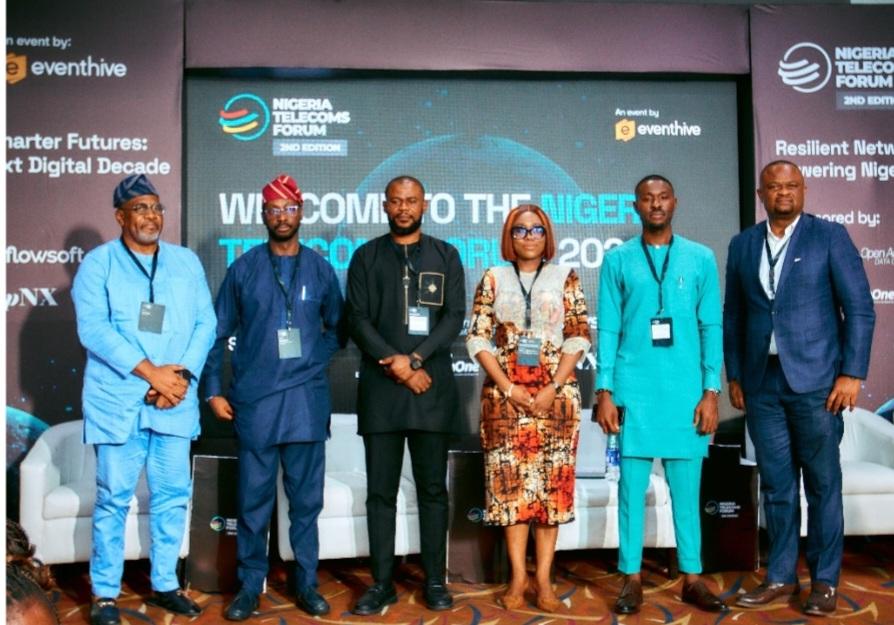
The call was made by Oluseyi Lala, the company’s divisional CEO, IpNX Business, during the Nigeria Telecoms Forum 2026 in Lagos.
The call was made by Oluseyi Lala, the company’s divisional CEO, IpNX Business, during the Nigeria Telecoms Forum 2026 in Lagos.
Lala stressed that stronger collaboration among telecom operators, government agencies, and investors is now critical to building a stable and future-ready digital economy. He said the sector can no longer rely on isolated efforts if it hopes to meet rising demand for data, connectivity, and digital services.
A major focus of his message was cybersecurity. As Nigeria adopts advanced technologies like 5G and cloud services, Lala warned that the risk of cyber threats is increasing. He explained that many stakeholders wrongly assume that vendors or service providers have already secured the system, leaving dangerous gaps.
“Cybersecurity is no longer optional; it is essential for the survival of the telecom industry,” he said, adding that only a coordinated approach to detecting and responding to threats can protect critical infrastructure.
He also urged closer cooperation between telecom operators, regulators, and security agencies to ensure network stability and protect users.
Lala, however, acknowledged efforts by the National Information Technology Development Agency (NITDA) for setting up a committee to tackle cyber threats in the sector.
Beyond security, industry leaders at the forum identified power supply as one of the biggest obstacles to telecom growth. They called for a state of emergency in the power sector, noting that operators spend heavily on diesel and generators to keep their networks running. This, they said, increases costs and affects service quality.
Participants also raised concerns about funding challenges facing telecom companies. The recent drop in the value of the naira has made it harder to attract long-term investment, with institutions like the Africa Finance Corporation becoming more cautious.
To improve investor confidence, stakeholders recommended stronger business practices and the adoption of Environmental, Social, and Governance (ESG) strategies. They said ESG compliance can help telecom companies access global funding, especially green and sustainability-linked investments.
Convener of the forum, Jamiu Ijaodola, said the industry has reached a critical point where collaboration is no longer optional.
According to him, platforms like the forum allow stakeholders to align their goals, share ideas, and build a more secure and resilient telecom ecosystem.
Discussions also highlighted the need for better government policies and regulations that will support infrastructure development, encourage innovation, and ensure long-term stability in the sector.
ipNX reaffirmed its commitment to supporting partnerships across the industry and pushing for reforms that will unlock growth. Experts at the forum agreed that with improved power supply, stronger cybersecurity, better access to funding, and effective collaboration, Nigeria’s telecom sector can expand faster and deliver better services to millions of users across the country.