Nigerian banks increase lending rates much faster when the Central Bank of Nigeria (CBN) tightens monetary policy than they reduce them when policy is eased.
- +IMF says Nigerian banks raise lending rates faster than they cut them
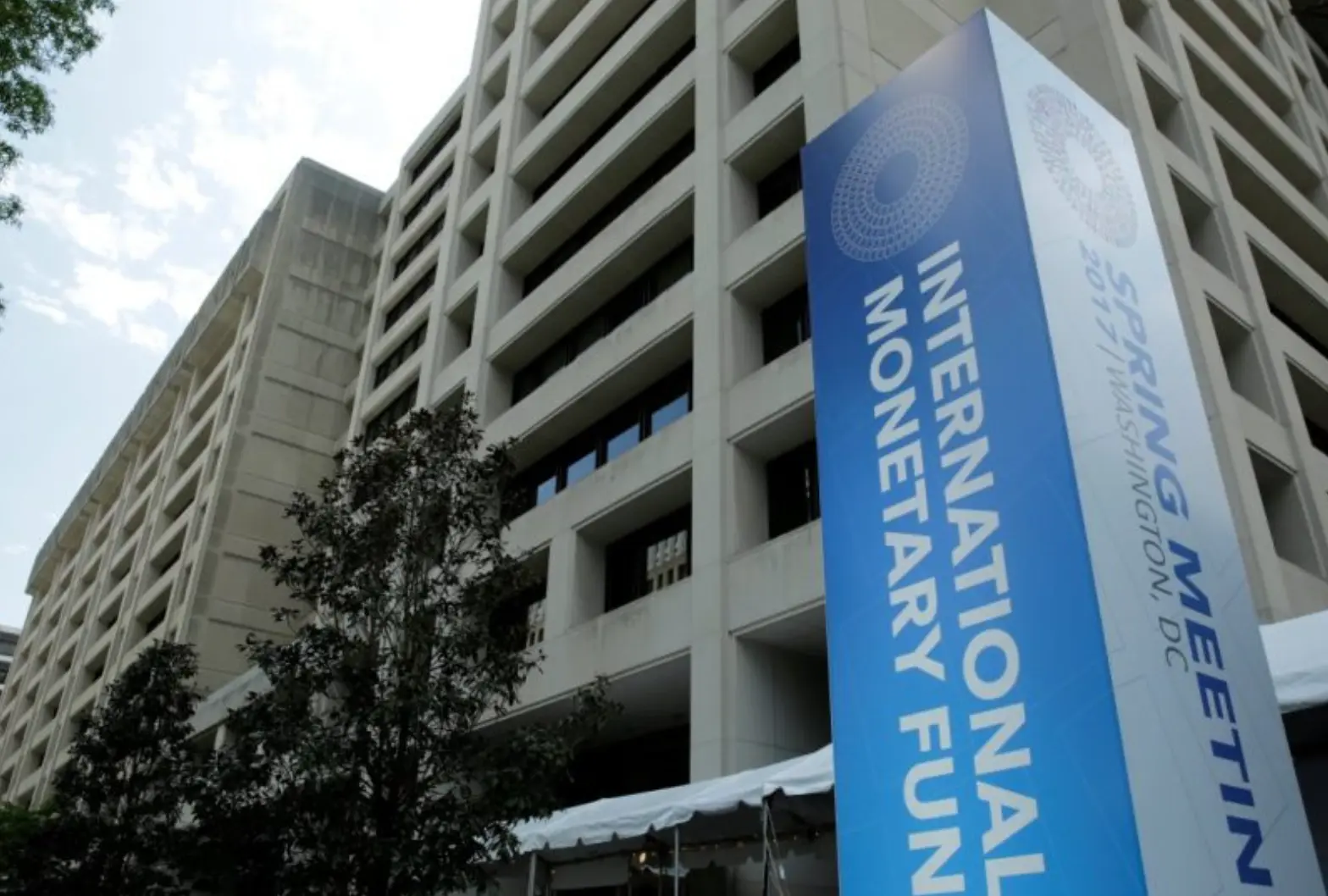
This is according to the International Monetary Fund’s (IMF) June 2026 country report, Nigeria: Selected Issues.
This is according to the International Monetary Fund’s (IMF) June 2026 country report, Nigeria: Selected Issues.
The IMF said interest rate transmission in Nigeria follows a “rockets-and-feathers” pattern, where borrowing costs rise rapidly during tightening cycles but fall only gradually during periods of monetary easing.
The Fund noted that while recent reforms, including exchange rate unification, have improved the transmission of monetary policy to market rates, the process remains incomplete, calling for further reforms to the CBN’s operational framework and liquidity management system.
According to the IMF, monetary policy tightening by the CBN has a disproportionately large impact on wholesale and lending rates.
The Fund stated that a 100-basis-point increase in the Monetary Policy Rate (MPR) leads to an immediate increase of about 175 to 180 basis points in Treasury bill and lending rates. However, a similar reduction in the policy rate results in borrowing costs declining by only 25 to 30 basis points.
The report found that while the interbank rate responds relatively evenly to both tightening and easing cycles, deposit rates show little reaction in either direction.
According to the IMF, this suggests that monetary policy transmission in Nigeria operates more through changes in lending and wholesale rates than through deposit rates, limiting the speed at which lower policy rates translate into cheaper borrowing costs for households and businesses.
The Fund also observed that the pass-through of policy decisions to market rates has improved since the unification of Nigeria’s foreign exchange market but remains only partial.
The IMF argued that strengthening the CBN’s operational framework would improve the effectiveness of monetary policy by ensuring that the MPR better anchors the interbank market and influences other key interest rates across the economy.
According to the report, aligning liquidity management operations with the central bank’s policy stance would reinforce the transmission mechanism.
The IMF further argued that lower and more stable inflation would strengthen confidence in the naira, reduce dollarisation pressures, and increase demand for local currency in both circulation and bank deposits.
Higher demand for the naira, it said, would help reduce structural excess liquidity in the financial system and support a gradual easing of the CRR over time.
The IMF’s assessment comes shortly after the CBN’s latest Monetary Policy Committee (MPC) meeting, where policymakers opted to maintain a tight monetary stance in an effort to consolidate gains against inflation and stabilise the economy.
At the meeting, the MPC retained the Monetary Policy Rate at 26.5%, while keeping the Cash Reserve Ratio at 45% for deposit money banks, 16% for merchant banks, and 75% for non-TSA public sector deposits.
The IMF’s findings suggest that even if the CBN begins to lower interest rates in the future, businesses and consumers may not experience an immediate reduction in borrowing costs because commercial banks tend to pass on rate increases much faster than rate cuts.
Economic experts, financial analysts, and small business operators have welcomed the decision of the Central Bank of Nigeria (CBN) to retain the Monetary Policy Rate (MPR) at 26.5%.
Earlier, the IMF had said Nigeria’s economic reforms over the past three years have strengthened macroeconomic stability and improved resilience, but warned that poverty and food insecurity remain severe across the country.
The Fund stated this in its latest Article IV Consultation report on Nigeria released on Tuesday, noting that while reforms have delivered better macroeconomic outcomes, living conditions for many Nigerians remain difficult.
Nairametrics reported that Nigeria’s headline inflation rate rose to 15.69% in April 2026, up from 15.38% recorded in March, as Nigerians continue to battle with high costs of essential commodities.