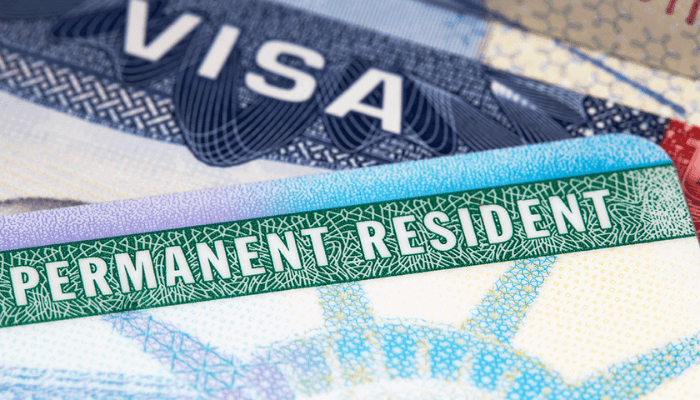
A new immigration policy introduced by Donald Trump’s administration could make it significantly harder for Nigerians living in the United States to secure permanent residency, as US immigration officials are now being directed to apply tougher scrutiny to green card applications filed from within the country.
- +Explainer: What Trump’s new US green card policy means for Nigerians in America
The policy memorandum, issued by the United States Department of Homeland Security on May 21, 2026, does not cancel adjustment of status applications or repeal existing immigration law.
The policy memorandum, issued by the United States Department of Homeland Security on May 21, 2026, does not cancel adjustment of status applications or repeal existing immigration law. However, immigration experts say it changes how officials are expected to interpret and apply those laws, particularly for migrants who entered the US on temporary visas but later sought permanent residency.
According to Harvard Consults, an immigration advisory firm, the memo sharpens the discretionary powers of officials at the United States Citizenship and Immigration Services, USCIS, by placing greater emphasis on immigration history, visa compliance, and the original purpose of entry into the US.
The advisory explained that Section 245 of the Immigration and Nationality Act, which allows eligible migrants already living in the US to apply for permanent residency without returning to their home countries, remains fully operational. Congress has not repealed the law and no executive order has suspended it.
What has changed, however, is how immigration officers are expected to exercise discretion in deciding who deserves approval.
Under the memo, USCIS officers are now encouraged to weigh more heavily issues such as visa overstays, breaches of immigration conditions, fraud concerns, moral character, and whether applicants were originally expected to leave the United States after completing the purpose of their temporary stay.
The policy particularly affects migrants who entered America on student, visitor, work, or humanitarian visas and later attempted to transition to permanent residency from within the country.
According to the memorandum, remaining in the US beyond the original purpose of entry, even where legal status was later regularised, may now count as a negative factor during green card assessments.
For many Nigerians, the tougher stance comes at a difficult time. Nigeria is already affected by Presidential Proclamation 10998, which imposed restrictions on several categories of US visas issued to Nigerians. Immigration experts say the new policy, combined with those earlier restrictions, creates a far more uncertain pathway to permanent residency for Nigerians already living in America.
The memorandum further states that applicants seeking adjustment of status from within the US may now have to demonstrate “extraordinary” circumstances to justify why they should not apply for immigrant visas from abroad instead. Applicants may also need to show “unusual or even outstanding equities” to overcome any adverse immigration history.
Thr Consults warned that Nigerians considering leaving the US to complete their applications abroad could face significant risks if denied at US consulates. “A applicant who is refused at a consular post abroad may be barred from re entering the United States indefinitely, with limited options for appeal or legal challenge,” the advisory noted.
The firm advised Nigerians currently living in the US not to panic or make rushed travel decisions without first seeking professional immigration guidance.
It also urged migrants to conduct a full review of their immigration records, including any previous overstays, visa breaches, or documentation concerns, as those issues are now expected to receive closer scrutiny from immigration officers.
Legal experts believe the policy could face court challenges in the coming months over concerns about fairness and administrative overreach.