While the white wedding dress dominates Western traditions, many cultures embrace colour and texture through their traditional wedding attire.
- +10 stunning traditional wedding outfits from around the world
- +1. Nigeria (Edo traditional attire)
- +4. Japan (Kimono – Shiromuku / Uchikake)
- +7. Ghana (Kente bridal attire)
Here are 10 stunning traditional wedding outfits from different parts of the world.
Here are 10 stunning traditional wedding outfits from different parts of the world.
1. Nigeria (Edo traditional attire)
Nigeria’s traditional weddings are known for their bright colours.
Brides of other tribes wear fabrics like aso-oke or george, paired with coral beads and elaborate headpieces. Colours such as red, gold and royal tones symbolise wealth, strength and celebration. 
Indian brides typically wear red or gold outfits, symbolising love and prosperity.
These garments are often heavily embroidered with beads, sequins and intricate patterns, making them one of the most visually striking bridal looks globally. 
The Chinese bridal dress is traditionally red, a colour associated with luck and happiness.
The qipao features a fitted silhouette with delicate embroidery, often incorporating symbols of harmony such as dragons and phoenixes. 
4. Japan (Kimono – Shiromuku / Uchikake)
Japanese brides wear elegant kimonos, often starting with an all-white “shiromuku” for the ceremony.
They may later change into a colourful kimono, representing joy and good fortune. 
The hanbok is known for its flowing skirt and structured top.
Bridal versions are often brightly coloured and symbolise prosperity, harmony and new beginnings. 
Moroccan brides wear layered garments known as the takchita, often richly decorated with embroidery and jewels.
The look is regal and typically worn across multiple wedding ceremonies.
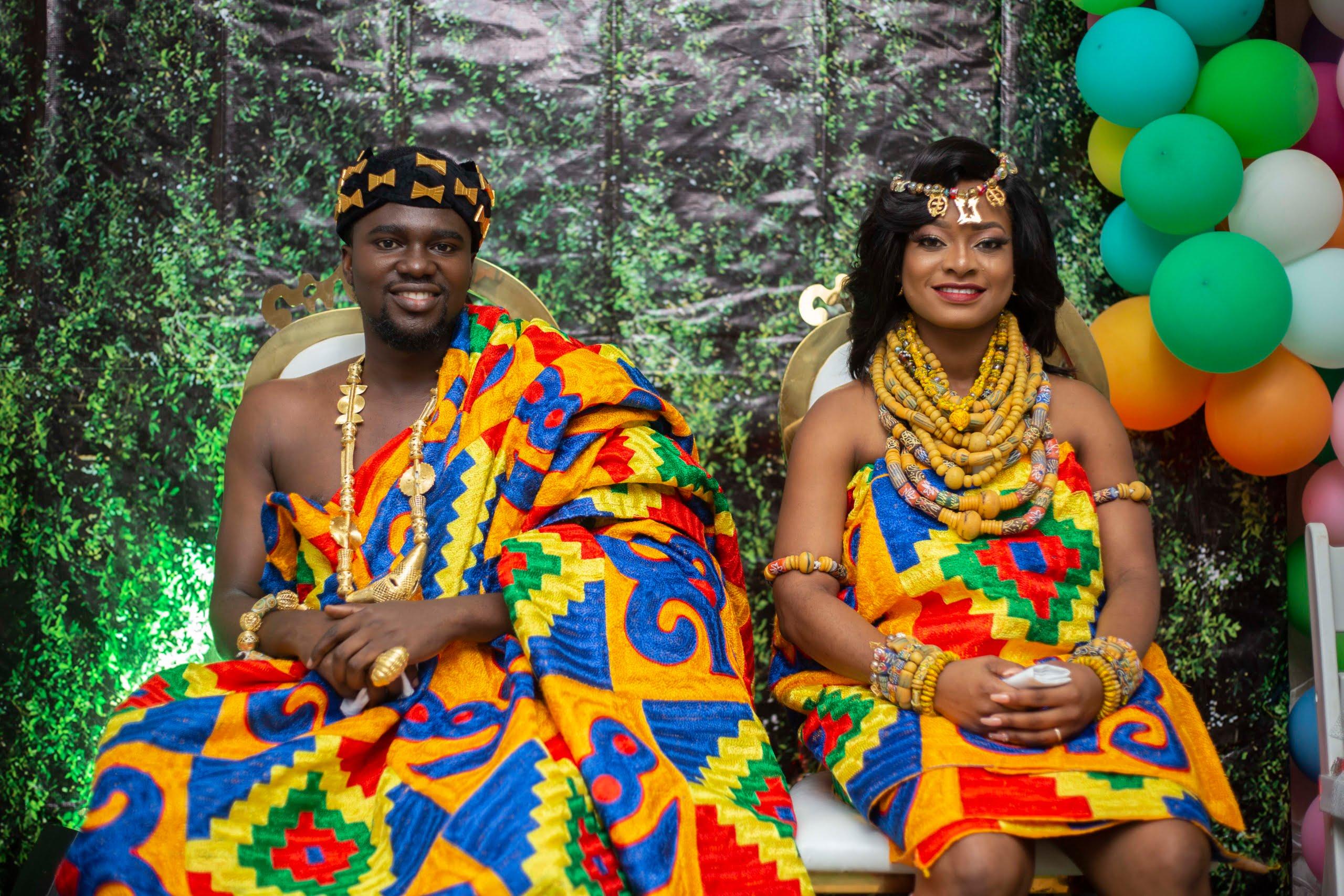
7. Ghana (Kente bridal attire)
Ghanaian brides often wear kente, a brightly coloured woven fabric.
Each pattern carries meaning, representing status, culture and family heritage.
Scottish weddings often feature tartan kilts worn by the groom.
Each tartan represents a clan or family lineage, making it deeply symbolic.
Peruvian brides may wear polleras — layered skirts paired with embroidered tops.
The look is colourful and reflects indigenous Andean culture.
Indonesian brides often wear the kebaya, a fitted blouse paired with a patterned skirt.
It is usually detailed with embroidery and worn with ornate accessories.