Trump Hints At ‘Good News’ On Iran As Oil Tankers Resume Passage Through Strait Of Hormuz
Trump signals progress on Iran as oil tankers resume Hormuz passage while ceasefire uncertainty and nuclear tensions persist.
Trump signals progress on Iran as oil tankers resume Hormuz passage while ceasefire uncertainty and nuclear tensions persist.
President Donald Trump has hinted at positive developments in the Iran conflict, declaring there is “some pretty good news,” as oil tankers resumed movement through the Strait of Hormuz for the first time since the war began seven weeks ago.
A convoy of vessels, including four liquefied petroleum gas carriers and several oil product and chemical tankers, was recorded crossing the vital waterway on Saturday, according to shipping data. The ships moved through Iranian waters south of Larak Island, with additional tankers following from the Gulf, signalling a tentative return to normal maritime activity.
The development came after Iran reopened the strait following a separate United States-brokered ceasefire agreement between Israel and Lebanon, easing concerns over a prolonged disruption to global oil supplies. The strait had effectively been shut during the conflict, which began on February 28, disrupting nearly a fifth of global oil trade and driving energy prices sharply higher.
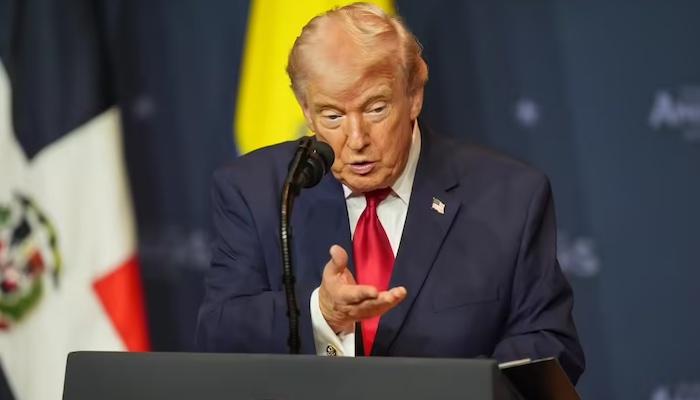
Speaking aboard Air Force One, Trump declined to provide details of the “good news” but suggested negotiations with Iran were progressing.
“It seems to be going very well in the Middle East with Iran,” he said. “We are negotiating over the weekend. I expect things to go well. Many of these things have been negotiated and agreed to.”
He reiterated that the core objective of the United States remained preventing Iran from acquiring nuclear weapons.
“The main thing is that Iran will not have a nuclear weapon. You cannot let Iran have a nuclear weapon, and that supersedes everything else,” Trump added.
Despite the apparent progress, the president warned that the current ceasefire could collapse if a broader agreement is not reached before its expiration. He indicated that the truce might not be extended beyond Wednesday without a deal, while also confirming that a US blockade on Iranian ports would remain in place.
Diplomatic uncertainty persists over whether direct talks between US and Iranian officials will take place over the weekend. While Trump suggested discussions were imminent, there were no clear indications of preparations for negotiations in Islamabad, where talks are reportedly expected.
Mediation efforts led by Pakistan have continued, with Field Marshal Asim Munir holding discussions in Tehran in recent days. Sources familiar with the process suggest a preliminary agreement could emerge soon, potentially followed by a comprehensive peace deal within 60 days.
However, tensions remain high. Iranian officials have warned that continued US pressure could jeopardise access to the strait. Parliament Speaker Mohammad Baqer Qalibaf cautioned that the waterway “will not remain open” if the blockade persists.
Iran has allowed commercial vessels to pass during the current 10-day truce but has imposed new conditions, requiring coordination with the Islamic Revolutionary Guard Corps. Military vessels and ships linked to the United States and Israel remain barred from transit.
Key disagreements also persist over Iran’s nuclear programme, which remains central to negotiations. While the United States has proposed removing Iran’s stockpile of enriched uranium, Iranian officials have rejected any transfer outside the country, insisting on their right to a civilian nuclear programme.
Although financial markets reacted positively to the reopening of the strait, with oil prices dropping and global stocks rising, analysts caution that significant gaps remain in negotiations.